BELGRADE, Serbia, 25 October, (Brussels Morning Newspaper) – Serbian voters headed to polling stations on Sunday for a closely contested snap parliamentary election, with former President Aleksandar Vučić’s ruling Serbian Progressive Party (SNS) facing a major challenge from a student-backed opposition movement.
The Serbia election 2026 comes after nearly two years of anti-government demonstrations over alleged corruption, political accountability and democratic freedoms. The outcome could reshape Serbia’s political leadership and its relationship with the European Union.
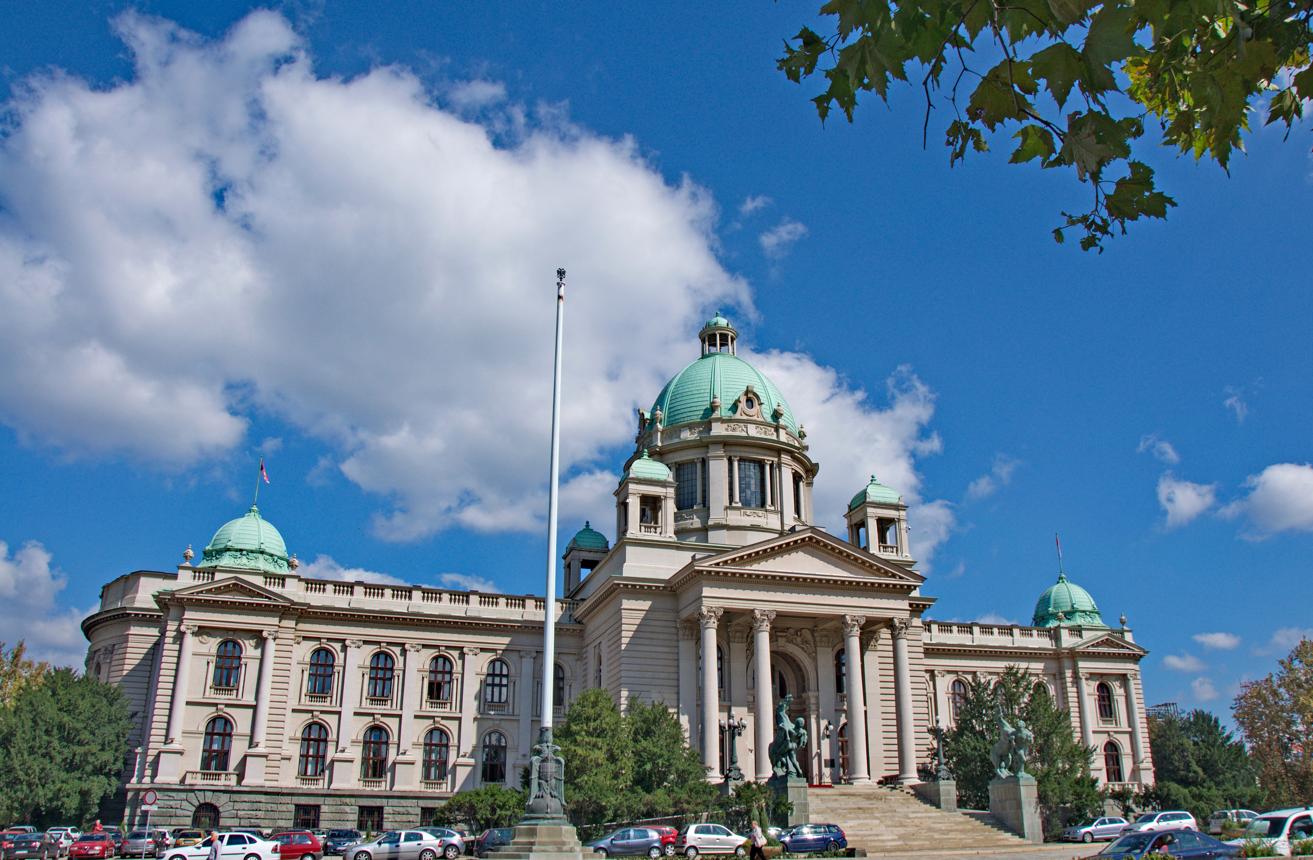
Serbia’s Snap Parliamentary Vote Puts 250 Seats at Stake
Approximately 6.4 million eligible voters can choose representatives for Serbia’s 250-seat National Assembly, with 18 electoral lists competing.
The principal contest is between the SNS-led United Serbia coalition and the Students’ List, which emerged from nationwide demonstrations demanding institutional reforms.
Vučić resigned as president on 27 September to contest the parliamentary election and pursue a return to government as prime minister.
His resignation transferred presidential responsibilities to National Assembly Speaker Ana Brnabić, who is serving as acting president pending a separate presidential election.
The parliamentary contest is regarded as an important test of the SNS’s political dominance since 2012.
Student Protests Create Major Challenge for Serbia’s Government
The opposition movement developed following the collapse of a railway station canopy in Novi Sad in November 2024, which killed 16 people.
The tragedy triggered demonstrations demanding accountability for the disaster and investigations into alleged corruption surrounding infrastructure projects.
Student organisations subsequently expanded their campaign into a broader movement calling for transparent government, independent institutions and electoral reforms.
The Students’ List includes university academics, medical professionals, artists and other candidates from outside established political leadership.
Its leading candidate, cardiologist Ilija Srdanović, represents a movement seeking to convert public demonstrations into parliamentary representation.
Serbian Authorities Confirm Early Election Decision
The Serbian government formally proposed dissolving parliament on 7 September, and Vučić signed the election decree two days later.
According to the government’s official announcement, the decision dissolved the National Assembly elected on 17 December 2023 and scheduled parliamentary elections for 25 October.
The government stated that the election process would be conducted under Serbia’s legislation governing parliamentary elections.
The decision followed prolonged political tensions and sustained demands for an early vote from student demonstrators.
Brussels Monitors Serbia’s Election and EU Membership Prospects
The election is being closely watched in Brussels because Serbia remains a candidate for European Union membership.
EU institutions have repeatedly emphasised the importance of judicial independence, democratic accountability, electoral integrity and anti-corruption reforms.
International election monitors have raised concerns about campaign conditions, including political intimidation, media independence and allegations of electoral manipulation.
Serbian authorities and the ruling party have rejected accusations of systematic wrongdoing.
The election’s outcome could influence future discussions between Belgrade and Brussels on democratic reforms and Serbia’s progress towards EU accession.
What Happens Next After Serbia’s Parliamentary Election?
Serbia’s Republic Electoral Commission will oversee the counting and publication of official election results.
International observers, including representatives of the Organisation for Security and Co-operation in Europe’s Office for Democratic Institutions and Human Rights, are assessing the electoral process.
The newly elected parliament will determine whether the ruling coalition retains sufficient support to form another government or whether alternative political forces can establish a parliamentary majority.
A majority requires at least 126 seats in the 250-member assembly.
For Brussels, the next government’s approach to institutional reform, democratic standards and European integration will remain central to Serbia’s future relationship with the EU.