LUXEMBOURG, 25 October, (Brussels Morning Newspaper) – EU agriculture talks will begin on Monday, 26 October, as European Union ministers prepare for important negotiations on agricultural reforms, Baltic Sea fishing quotas and international trade. The discussions could shape future financial support for European farmers and establish fishing limits for 2027.
The Agriculture and Fisheries Council will be chaired by Ireland’s Minister for Agriculture, Food and the Marine, Martin Heydon, under the Irish presidency of the Council of the European Union.
According to the Council’s official agenda, ministers will seek agreement on key elements of the Common Agricultural Policy (CAP) after 2027 while addressing fisheries management and agricultural competitiveness.
EU Ministers Push for Major Agricultural Policy Reforms
A central priority will be establishing a partial negotiating position on the proposed agricultural framework beyond 2027.
The European Commission’s proposal seeks to simplify regulations, strengthen farmers’ incomes and improve the distribution of agricultural payments across member states.
The proposed reforms also address generational renewal, climate resilience, environmental protection and animal welfare.
However, financial arrangements will remain outside the partial agreement because they are being considered under the EU’s wider budget negotiations for 2028–2034.
Ministers will also examine agricultural trade issues, including challenges affecting European producers in international markets.
Baltic Sea Fishing Quotas Enter Critical Negotiations
Alongside agricultural reforms, fisheries ministers will attempt to reach a political agreement on fishing opportunities in the Baltic Sea for 2027.
The agreement would establish total allowable catches and national quotas for commercially significant fish stocks.
These decisions are particularly important for fishing businesses, coastal economies and marine conservation.
Ministers will also prepare the EU’s position for the International Commission for the Conservation of Atlantic Tunas meeting, scheduled for 16–23 November in Vilamoura, Portugal.
The negotiations form part of the EU’s continuing efforts to balance commercial fishing opportunities with sustainable management of marine resources.
Irish Presidency Calls for Stable Farming Policies
The upcoming EU agriculture talks follow discussions in September, when ministers reviewed progress on the proposed CAP reforms.
Following that meeting, Martin Heydon highlighted the need to provide greater certainty for farmers.
He said:
“Farmers need a policy that provides stability and a fair income, while giving them the flexibility and support to respond to the challenges ahead.”
The Irish presidency has identified reaching a partial Council position in October as an important objective.
Why Agricultural and Fisheries Decisions Matter
The negotiations have significant implications for farmers, fishing communities and rural businesses across the European Union.
Changes to agricultural support could affect farm incomes, investment decisions and compliance requirements.
For fisheries businesses, annual catch limits determine commercial fishing opportunities and influence planning for the following year.
The discussions also come as EU institutions negotiate the next long-term budget, which will influence future spending priorities.
In September, the Council reached a partial negotiating position on EU support for fisheries, aquaculture and maritime policy for 2028–2034.
What Happens Next at the EU Council Meeting?
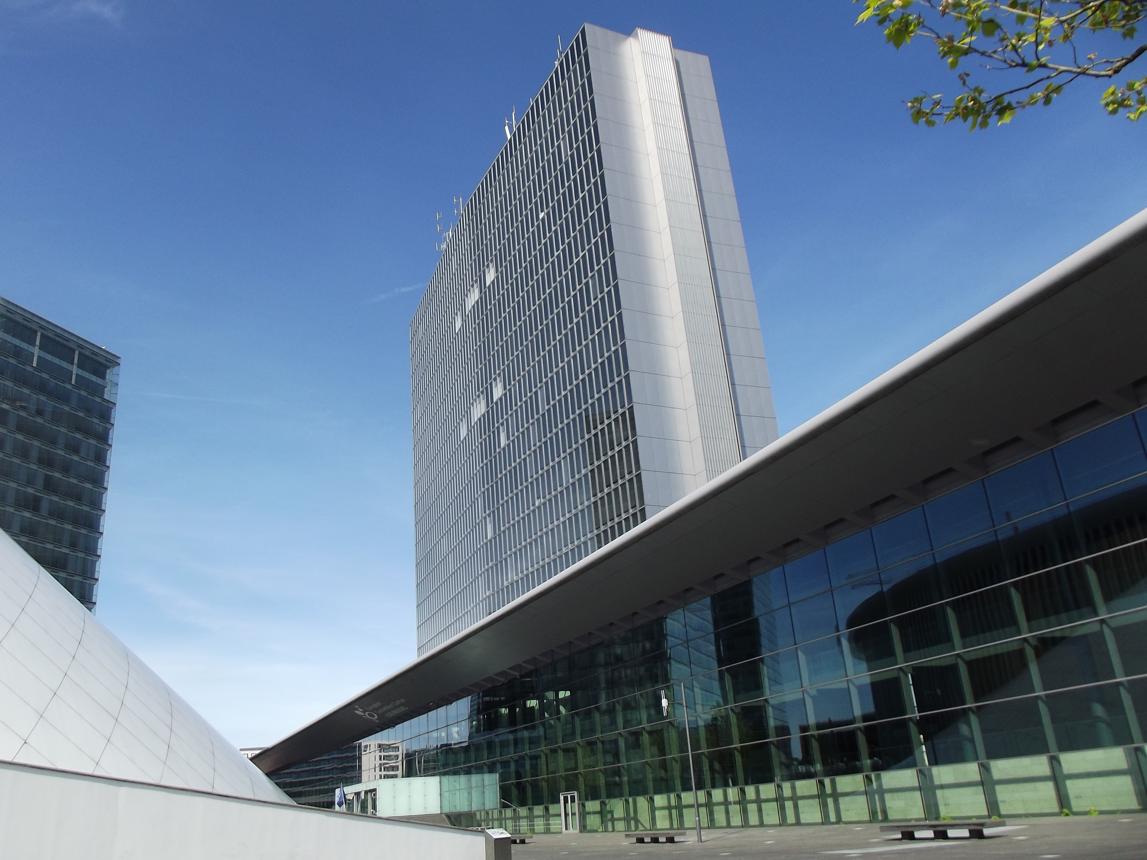
The meeting is scheduled to begin at 10:00 local time on 26 October at the European Convention Centre Luxembourg.
Agricultural discussions and fisheries negotiations will take place throughout Monday, with a possible continuation on Tuesday if agreement on Baltic Sea fishing opportunities remains outstanding.
The Council has scheduled press briefings to communicate the results once discussions conclude.
Any partial agreement on agricultural reforms would represent progress towards a Council negotiating position rather than final adoption of the legislation.
The outcome will provide an important indication of how EU governments intend to approach agricultural support and fisheries management in the coming years.