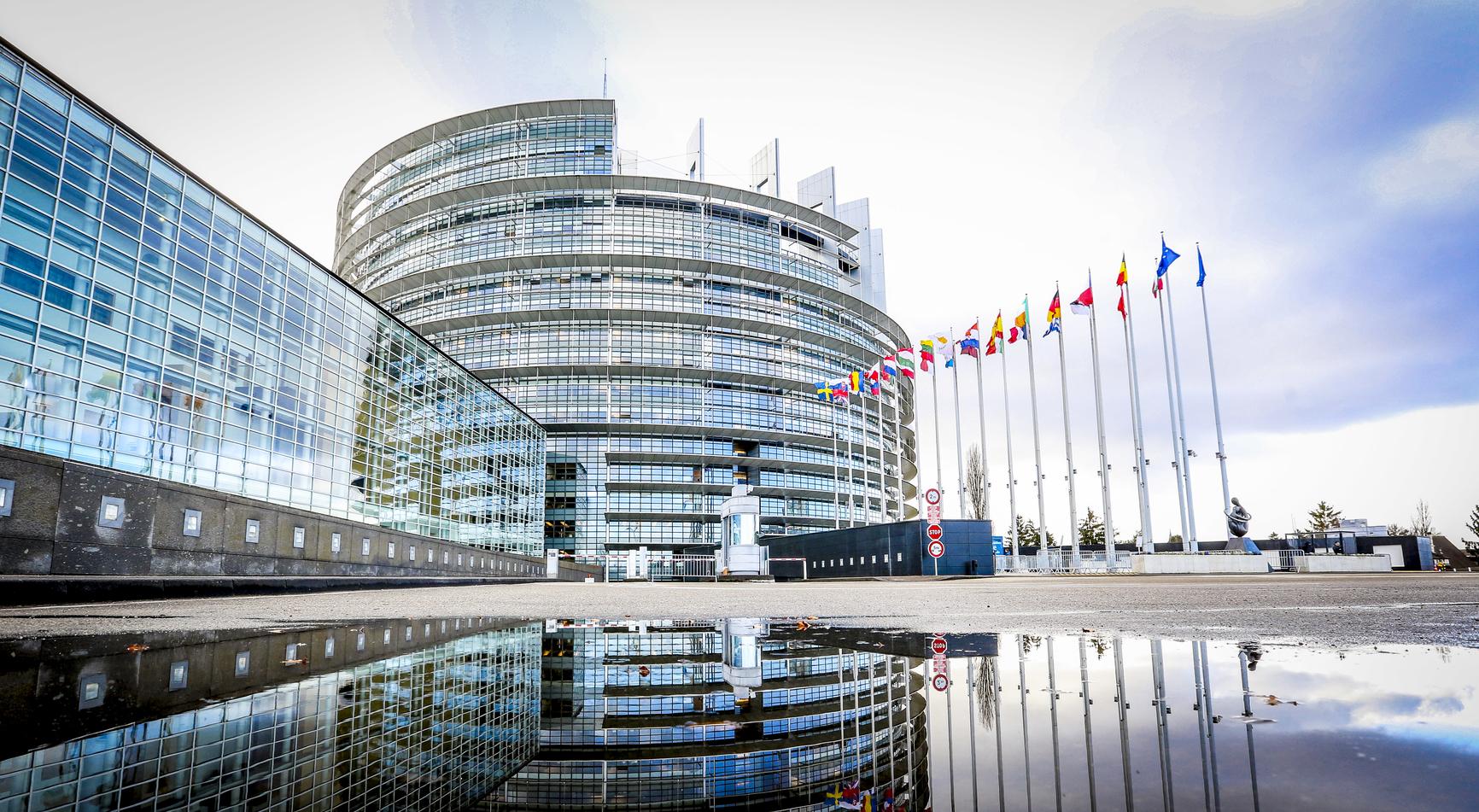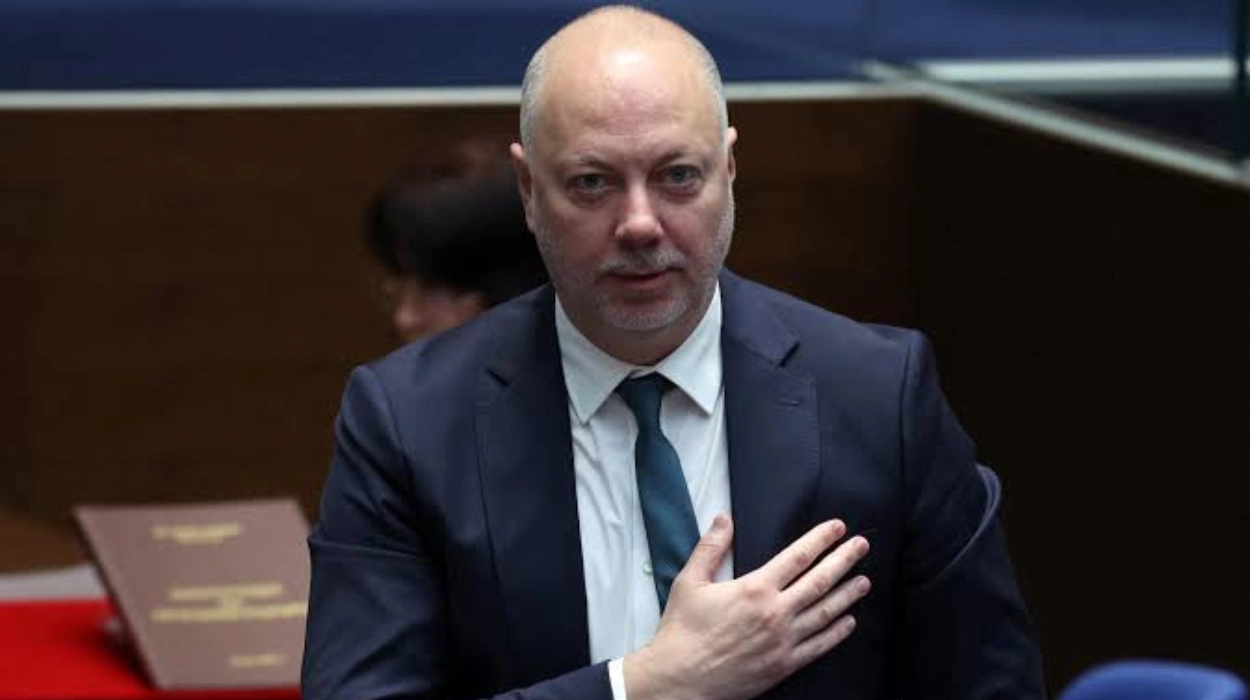
Brussels (Brussels Morning Newspaper) October 22, 2026 – A newly adopted European Parliament resolution criticising the Bulgarian government’s handling of regional security and its response to Russian threats in the Black Sea has drawn sharp dissatisfaction from President Rumen Radev. The legislative measure, passed by a substantial majority of 432 votes to 52 with 88 abstentions, targets Sofia’s perceived diplomatic and strategic inaction, focusing specifically on delayed military cooperation, rising tensions over critical infrastructure, and broader foreign policy positions maintained by the executive administration.
Parliamentary Censure Over Black Sea Security Strategy
The text approved by European Union lawmakers explicitly holds Russia responsible for escalating attacks on civilian merchant vessels navigating the Black Sea, alongside repeated violations of Romanian airspace. Within this broader geopolitical context, members of the European Parliament expressed deep concern regarding what they characterized as a deficient and hesitant response from the Bulgarian government.
According to the resolution, a primary point of contention centres on Bulgaria’s prolonged delay in joining a collective North Atlantic Treaty Organization initiative designed to counter low-flying aerial threats, including unmanned aerial vehicles and drones. Lawmakers emphasized that Sofia must stop postponing its administrative decisions and formally confirm its participation in the defensive arrangement by October 30, 2026. The directive places direct pressure on the Bulgarian executive branch, raising institutional questions regarding the country’s overall readiness to implement practical defense measures alongside its international allies.
Strategic Proposals for Enhanced Regional Protection
In response to deteriorating security conditions across the maritime frontier, the European Parliament outlined several strategic recommendations intended to fortify regional stability. Lawmakers formally called upon the European Union executive to evaluate the feasibility of deploying a dedicated naval operation within the Black Sea.
Furthermore, the resolution stresses the necessity of deepening trilateral cooperation among Bulgaria, Romania, and Turkey. It advocates for expanded European logistical support aimed at improving the detection, tracking, and interception of hostile drones. The text also calls for accelerated progress toward establishing an official European Union Black Sea Maritime Security Hub. Proponents argue that such a facility is crucial for safeguarding maritime communications, commercial shipping lanes, and vital regional infrastructure.
Beyond surface shipping lanes, the legislative text urges the European Union and its constituent member states to reinforce the physical protection and structural resilience of critical underwater assets. This includes ongoing submarine telecommunications networks, cross-border electricity transmission lines, and international data cable projects. To achieve this, the parliament recommended implementing enhanced maritime surveillance networks, strengthening regional coordination frameworks, and establishing rapid-response mechanisms to address potential sabotage or disruptions.
Domestic Political Friction and Foreign Policy Decisions
The European censure coincides with a period of heightened domestic political sensitivity in Sofia regarding foreign policy alignment and national security management. Public scrutiny has intensified following recent security incidents within the country, including an ongoing investigation by Bulgarian authorities into the arson of Starlink satellite communication antennas located near the capital. Local judicial bodies have actively pursued legal measures in connection with the incident, issuing European Arrest Warrants for foreign nationals suspected of involvement.
Simultaneously, the administration headed by President Rumen Radev has faced domestic protests regarding its broader diplomatic positioning. Demonstrators gathered in large numbers in central Sofia to voice opposition to the foreign policy directions pursued by President Radev and Vice-President Iliana Yotova.
Public debate has also been fuelled by electoral polling trends ahead of upcoming presidential votes, alongside executive decisions regarding European Union financial instruments. Notably, the government invoked the “constructive abstention” mechanism concerning financial contributions to the European Peace Facility intended to support Ukraine, a move that further accentuated divergent views between national executive priorities and broader European Union integration policies.
The European Parliament’s formal critique directly challenges the executive branch’s diplomatic equilibrium, provoking sharp political reactions from President Radev’s administration as Sofia navigates its commitments to collective European and transatlantic security frameworks.