Brussels, 17 October, (Brussels Morning Newspaper) – Brussels Midi clashes erupted on Saturday as hundreds of demonstrators confronted police near the Belgian capital’s main international railway station. Officers deployed tear gas and water cannon after protesters erected barricades and threw projectiles, marking another day of unrest following demonstrations against government spending policies and education reforms.
The confrontation began shortly before 1 pm near the Europa Esplanade, where approximately 500 to 600 demonstrators had gathered, according to The Brussels Times.
The newspaper identified the larger crowd as predominantly antifascist activists, while separate reports described student and trade union participation in demonstrations earlier in the day.
Brussels Midi Clashes Trigger Major Police Response
Tensions escalated around 12.30 pm when demonstrators used construction fencing to form barricades near Brussels-Midi railway station.
According to Anadolu Agency, citing Belgian public broadcaster RTBF, protesters threw objects towards police officers, prompting security forces to deploy water cannon and tear gas.
Officers subsequently advanced towards the crowd, attempting to disperse demonstrators from the surrounding streets.
The confrontation followed a march from Brussels Central Station, where police had maintained a significant presence throughout the morning.
Student Demonstrations Add to Growing Tensions
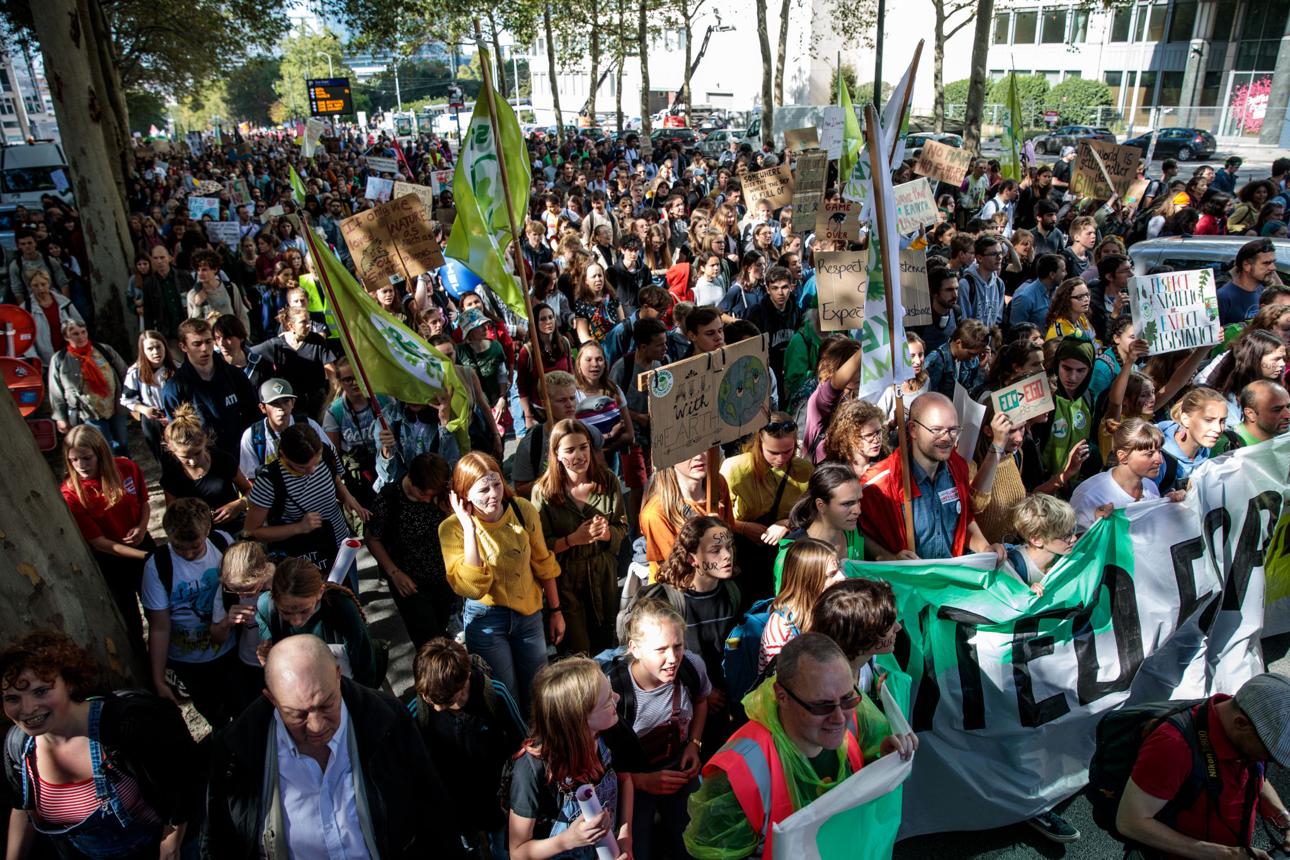
Earlier on Saturday, approximately 100 students and adults, including teachers and trade union representatives, gathered near Brussels Central Station.
The demonstration initially lacked authorisation but subsequently received permission to proceed towards Brussels-Midi.
Participants expressed opposition to education reforms, austerity measures and police responses to previous demonstrations.
However, The Brussels Times reported that the larger group involved in the later violence consisted mainly of antifascist activists and was separate from the wider school protests.
The distinction is significant because the different demonstrations involved overlapping locations but were not necessarily organised by the same groups.
Education Cuts Fuel Wider Belgian Protests
Belgium has experienced repeated demonstrations over government spending reductions, education funding and rising household expenses.
Since early October, students have protested proposals affecting French-speaking education, including planned savings of approximately €500 million by 2029.
Trade unions have also challenged the federal government’s proposed austerity measures.
On 9 October, approximately 30,000 people attended a major demonstration in Brussels, according to police estimates.
Although the principal march was largely peaceful, separate groups confronted officers, resulting in arrests and property damage.
Further violence occurred near Brussels-Midi on 12 October, when police arrested several people following disturbances involving fireworks and vandalism.
Peaceful Demonstrations Continue in Liège
While the Brussels Midi clashes attracted attention, another demonstration took place peacefully in Liège on Saturday.
Approximately 250 people, primarily young demonstrators, gathered outside Liège-Guillemins railway station before marching through the city centre.
According to reports citing Belgian news agency Belga, students, parents and workers participated.
Demonstrators raised concerns about tuition fees, education funding, public transport costs and working conditions.
Some students highlighted financial pressures that require them to work alongside their studies, making continued education increasingly difficult.
The peaceful gathering demonstrated that opposition to education and spending policies extended beyond Brussels.
What Happens Next After the Brussels Violence?
The latest disturbances raise questions about public safety, protest policing and the continuing disagreement over government spending priorities.
Belgian authorities may investigate reported violence and determine whether further legal action is necessary.
However, the available reports did not establish a confirmed final number of arrests or injuries from Saturday’s confrontation.
Earlier incidents have already resulted in criminal investigations, with Brussels prosecutors emphasising both the right to peaceful demonstration and the consequences of violent offences.
The continuing protests leave Belgian policymakers facing pressure from students, trade unions and other groups concerned about public spending and the affordability of education.