Brussels, 12 October, (Brussels Morning Newspaper) – The EU-China hybrid car deal could reduce projected Chinese hybrid vehicle exports to Europe by more than half over four years, following a significant trade understanding between Brussels and Beijing. The agreement, announced by European Commissioner for Trade and Economic Security Maroš Šefčovič, aims to address growing trade imbalances while protecting European automotive manufacturers from intensifying competition.
The development follows negotiations held in Beijing on 8 and 9 October between Šefčovič and Chinese Commerce Minister Wang Wentao. It comes as European manufacturers face increasing pressure from competitively priced Chinese vehicles.
Brussels Secures Major Breakthrough in Chinese Car Trade
Under the preliminary understanding, China has agreed to moderate exports of hybrid and plug-in hybrid vehicles to the European Union.
Šefčovič said the arrangement could prevent several million additional Chinese vehicles from entering the European market over four years compared with existing trade projections.
According to the Financial Times, the proposed arrangement could begin with an annual quota of approximately 350,000 vehicles in 2027, increasing by 6% each year.
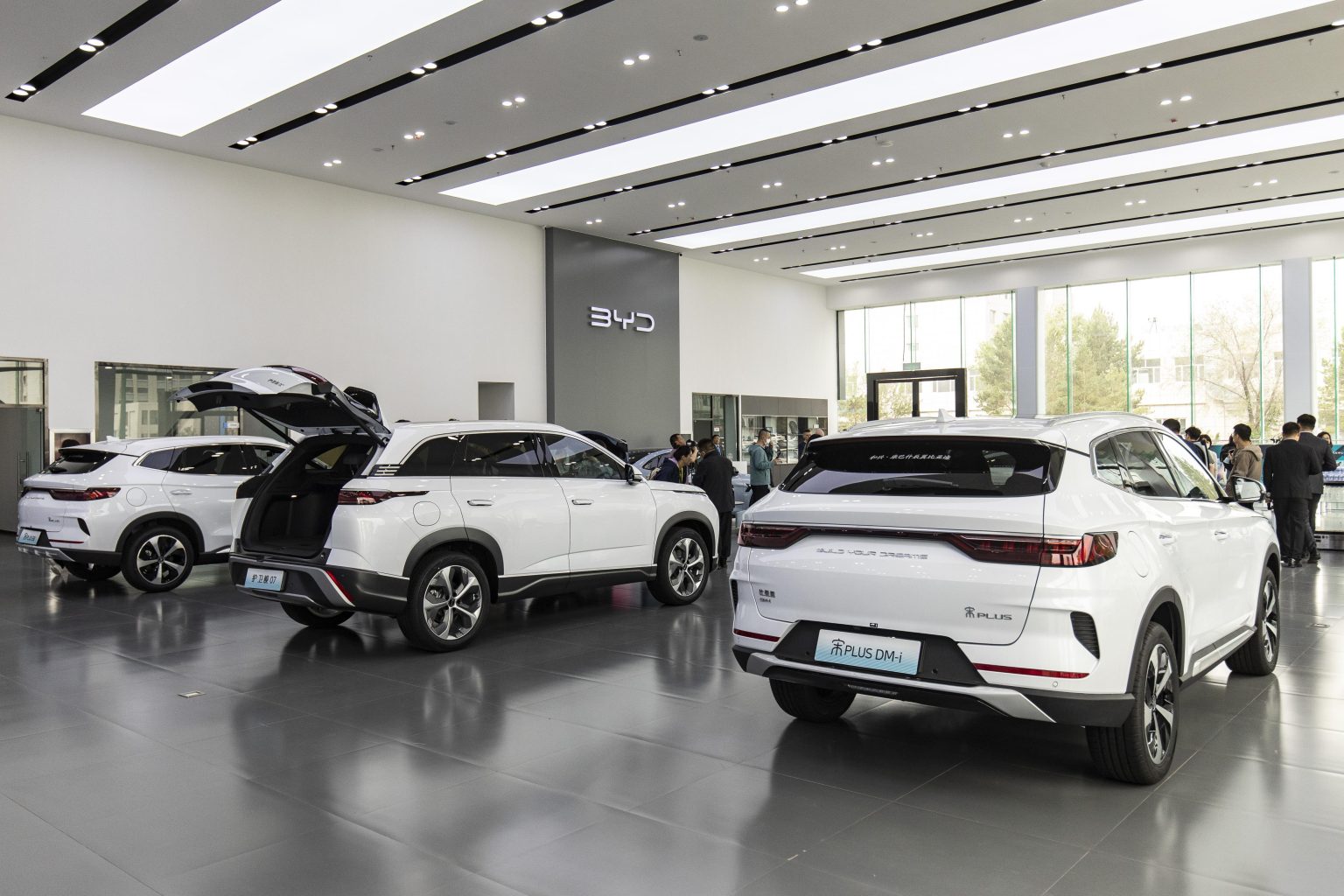
The measures could substantially change the competitive landscape for Chinese manufacturers, including BYD, Chery and SAIC, which have expanded their European operations.
However, the precise implementation arrangements remain subject to further clarification.
European Commission Calls for Balanced Trade Relations
Speaking after the negotiations in Beijing, Šefčovič described the agreement as an initial step towards correcting the European Union’s widening trade imbalance with China.
The commissioner stated:
“This is far from the end. It’s a crucial first step, but only a first step.”
The negotiations also addressed improved access for European goods entering China and efforts to simplify export licensing for rare earth materials essential to European industries.
China’s Commerce Ministry confirmed that both sides had reached an understanding on hybrid vehicle trade following intensive consultations.
Beijing has emphasised the importance of non-discriminatory arrangements consistent with international trade rules.
Why Chinese Hybrid Imports Concern European Carmakers
The EU-China hybrid car deal follows years of growing competition between European and Chinese automotive manufacturers.
In October 2024, the European Union introduced additional countervailing duties on battery-electric vehicles imported from China following an anti-subsidy investigation.
However, those duties did not extend to hybrid vehicles.
In April 2026, the European Commission confirmed in a parliamentary response that hybrid vehicles had not been covered by the original investigation.
Chinese manufacturers subsequently expanded their hybrid offerings across European markets.
European carmakers have argued that increasing competition from lower-priced imports creates additional pressure on manufacturing investment, employment and profitability.
What the Agreement Means for European Consumers
The proposed restrictions could provide European automotive manufacturers with greater protection against rapidly expanding Chinese imports.
However, the measures may also affect consumer choice and competition in the hybrid vehicle market.
For Chinese manufacturers, the agreement increases the importance of establishing production facilities within Europe and strengthening partnerships with European companies.
The automotive sector remains a significant employer across the European Union, making developments in international vehicle trade particularly important for industrial policy.
What Happens Next for EU-China Trade Negotiations?
The European Union and China are expected to continue negotiations on trade imbalances, market access and electric vehicle disputes in early 2027.
Further details will determine how the proposed restrictions operate and how they affect manufacturers exporting vehicles to Europe.
The preliminary agreement represents an important diplomatic development, although its long-term commercial impact will depend on implementation and subsequent negotiations.
For Brussels, the immediate priority remains securing more balanced trade relations while maintaining economic cooperation with China.