
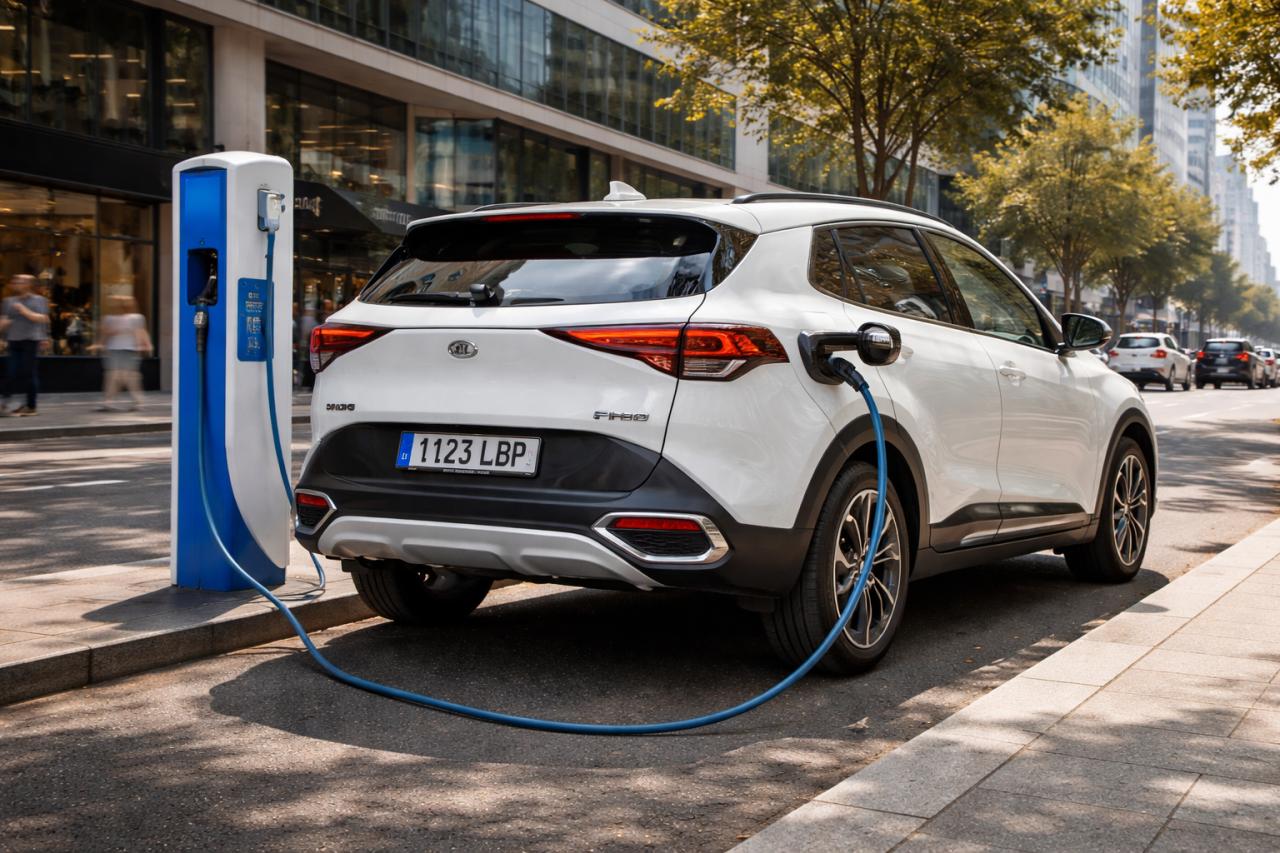
Brussels, 9 October, (Brussels Morning Newspaper) – The European Union and China have reached a preliminary understanding on hybrid vehicle trade following two days of high-level negotiations in Beijing. The EU-China hybrid vehicle talks mark progress in efforts to address rising Chinese car imports, growing trade imbalances and concerns about competition facing European automotive manufacturers.
Brussels and Beijing Make Progress on Automotive Trade
European Commissioner for Trade and Economic Security Maroš Šefčovič met Chinese Commerce Minister Wang Wentao during negotiations on 8 and 9 October.
China’s Ministry of Commerce announced that both sides had reached an understanding consistent with World Trade Organisation rules, although detailed terms were not disclosed.
The development follows increasing concern in Brussels about Chinese plug-in hybrid imports. According to figures reported by Reuters, EU imports of these vehicles increased by 86% in the year to September, while prices declined by approximately 20%.
More than half of the imported plug-in hybrids came from China.
Chinese Commerce Ministry Outlines Wider Trade Progress
The negotiations covered 16 areas of bilateral trade cooperation, including automotive products, medical equipment, export controls and intellectual property.
China also indicated its willingness to continue facilitating export licences for rare earth materials and permanent magnets supplied to European industries.
Both sides agreed to continue discussions concerning possible tariff reductions and pricing arrangements for Chinese battery-electric vehicles.
However, the announcement did not specify whether the hybrid vehicle understanding includes export limits, pricing commitments or other enforceable measures.
EU Electric Vehicle Tariffs Remain an Important Issue
The agreement follows a prolonged dispute over Chinese electric vehicle exports.
In October 2024, the European Commission introduced additional countervailing duties on battery-electric vehicles imported from China after investigating subsidies benefiting Chinese manufacturers.
Hybrid vehicles were excluded from that investigation.
In an April 2026 parliamentary response, Šefčovič confirmed that trade defence measures could not automatically be extended to vehicles outside the original investigation’s scope.
This distinction has become increasingly important as Chinese manufacturers expand hybrid vehicle sales across Europe.
Why the Understanding Matters for European Carmakers
The EU-China hybrid vehicle talks could have significant implications for European car manufacturers, component suppliers and workers.
European automotive companies face growing competition while investing heavily in electrification, battery technology and cleaner transport.
For European consumers, any future trade measures could influence vehicle prices, availability and competition.
The negotiations also reflect wider concerns about the EU’s commercial relationship with China. According to Eurostat figures cited in recent reporting, the bloc recorded a goods trade deficit of approximately €360 billion with China in 2025.
Further EU-China Trade Negotiations Planned
Brussels and Beijing are expected to continue diplomatic engagement rather than treat the preliminary understanding as a final settlement.
A ministerial-level video conference is planned for January 2027, followed by another regular consultation in March.
The next discussions will provide an opportunity to clarify the hybrid vehicle arrangements and address outstanding disagreements over tariffs, market access and industrial supply chains.
For European businesses, the key question is whether the diplomatic progress announced in Beijing will lead to specific trade commitments that can be implemented and monitored.