Brussels, 22 September, (Brussels Morning Newspaper) – European Union ambassadors are continuing negotiations in Brussels over an EU Russia sanctions agreement after failing to reach consensus on Monday, leaving governments facing a tight deadline to complete the legal procedures required to maintain restrictions on nearly 3,000 Russia-linked individuals and entities.
EU ambassadors resume talks in Brussels
Representatives of the EU’s 27 member states were due to resume negotiations at 8am Brussels time on Tuesday after talks on 21 September ended without an agreement.
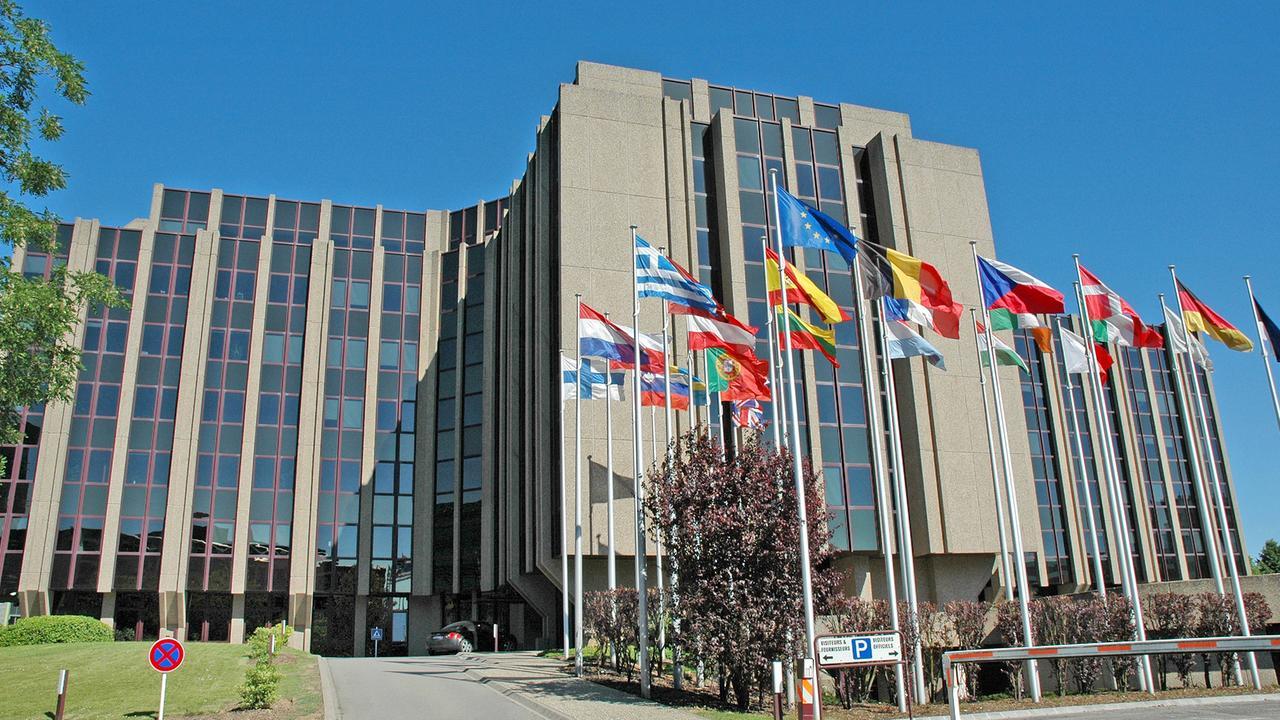
Coreper II, the committee of EU ambassadors, said negotiations would resume “with the aim of finalising agreement”. It warned that the deadline for completing the necessary legal procedures was midnight on Tuesday, increasing pressure on governments to resolve their differences.
The proposed agreement would maintain sanctions against thousands of individuals and organisations associated with Russia’s war against Ukraine while potentially removing two prominent businessmen from the EU sanctions list.
Usmanov and Fridman delistings divide member states
The dispute centres partly on Alisher Usmanov and Mikhail Fridman, two businessmen sanctioned by the EU following Russia’s full-scale invasion of Ukraine.
Reuters reported that France has pushed for Usmanov’s removal, while Luxembourg has sought the delisting of Fridman. Under the compromise being discussed, restrictions against roughly 3,000 other individuals and entities would remain in place for 36 months.
The proposal did not secure unanimous support on Monday. Latvia was among the countries unwilling to approve the arrangement at that stage.
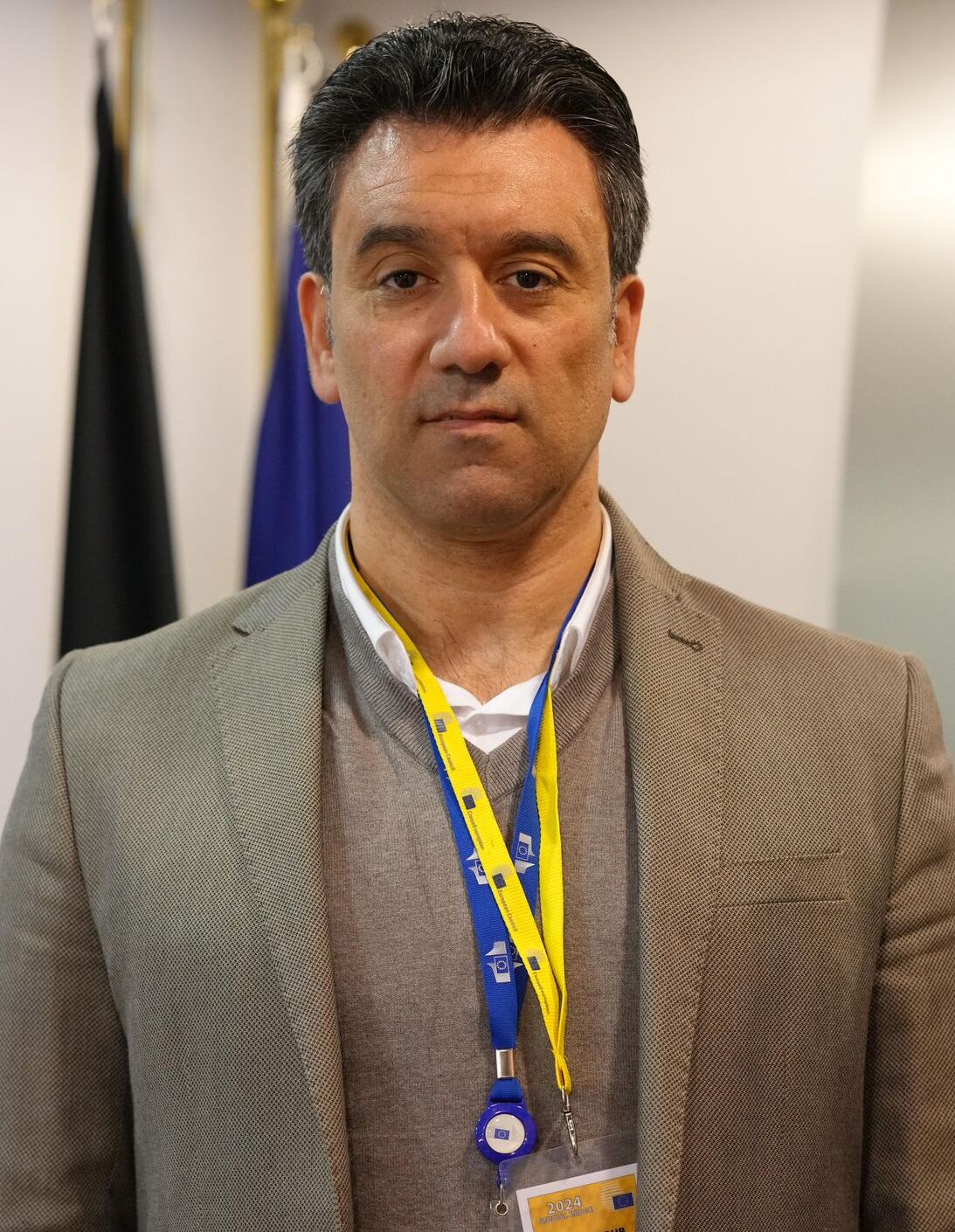
A Latvian Foreign Ministry spokesperson said:
“It will be a joint EU decision and EU positions are still being coordinated.”
The statement underlined the continuing disagreement among member states as negotiators attempted to find a compromise.
Kaja Kallas urges longer-term sanctions stability
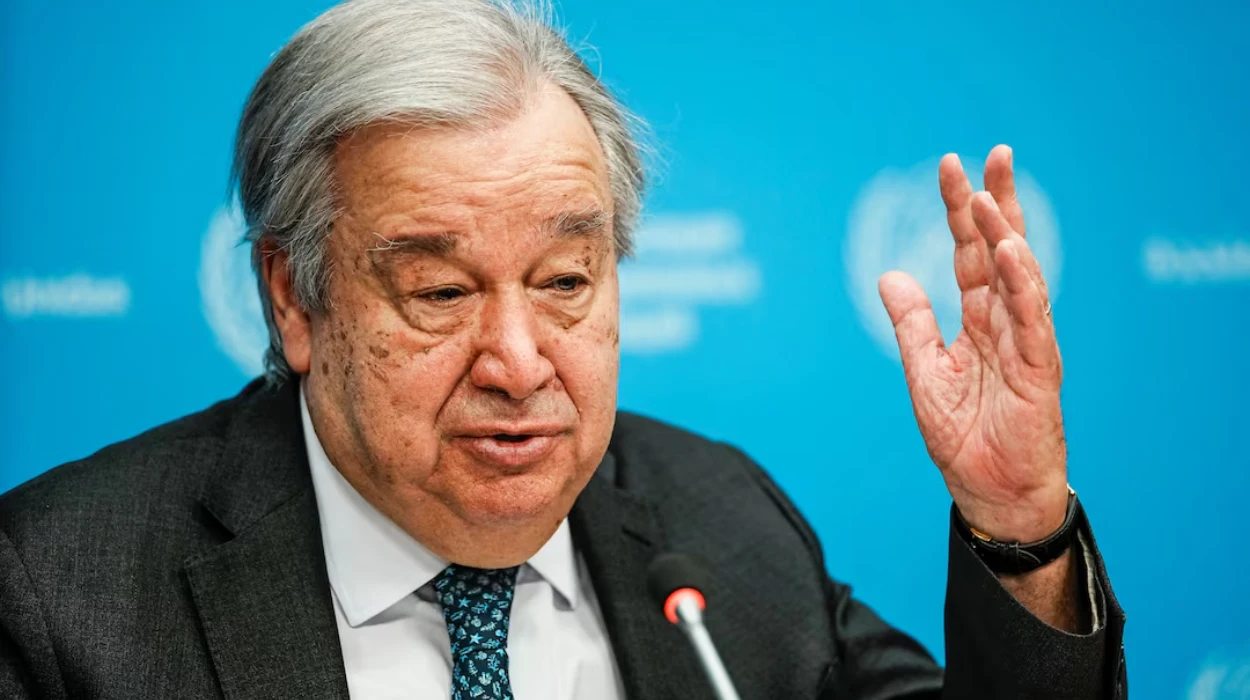
EU foreign policy chief Kaja Kallas called for governments to maintain pressure on Moscow during an informal meeting of EU foreign ministers held alongside the UN General Assembly in New York.
Kallas told reporters:
“Sanctions are a core pillar of our response to Russia’s war.”
She said EU officials wanted to conclude negotiations quickly and secure the sanctions rollover. Kallas also argued that restrictions should remain in place for longer periods to provide greater stability.
Her intervention comes as the EU continues developing additional measures against Moscow alongside the negotiations over existing individual listings.
Sanctions renewal requires EU-wide agreement
The sanctions under discussion form part of the EU’s response to Russia’s invasion of Ukraine. They include asset freezes and other restrictions imposed on individuals and organisations the bloc says are connected to actions undermining Ukraine’s sovereignty and territorial integrity.
The current negotiations are particularly sensitive because sanctions decisions require agreement among EU governments.
A three-year extension would represent a substantially longer renewal period than the six- or 12-month periods typically used for such restrictions.
Deadline increases pressure for an agreement
Failure to reach a deal before the legal deadline could create uncertainty over sanctions covering thousands of listed individuals and organisations.
The proposed EU Russia sanctions compromise is therefore attempting to resolve two issues simultaneously: maintaining the broader sanctions regime for another 36 months and addressing demands from some governments to remove Usmanov and Fridman.
As of the latest verified reports on 22 September, ambassadors were still seeking agreement and no final deal had been formally announced.