
Sofia, Bulgaria – April 20, 2026 — Brussels Morning Newspaper – EU Russia relations news is gaining urgency following the decisive election victory of Rumen Radev, a former fighter pilot whose political stance has often been described as pragmatic toward Russia. The development, reported just 17 minutes ago, is drawing attention across European capitals as policymakers assess potential implications for regional diplomacy.
- Election Outcome Signals Political Shift
- Rumen Radev’s Political Background
- Implications for EU Policy
- Russia’s Strategic Interest in the Region
- Domestic Priorities Shape Foreign Policy
- Public Reaction Across Bulgaria
- Challenges Facing the New Administration
- Broader Impact on Eastern Europe
- What to Watch Next
- A Key Moment for European Relations
The election outcome highlights the evolving balance between national priorities and broader European Union strategies.
Election Outcome Signals Political Shift
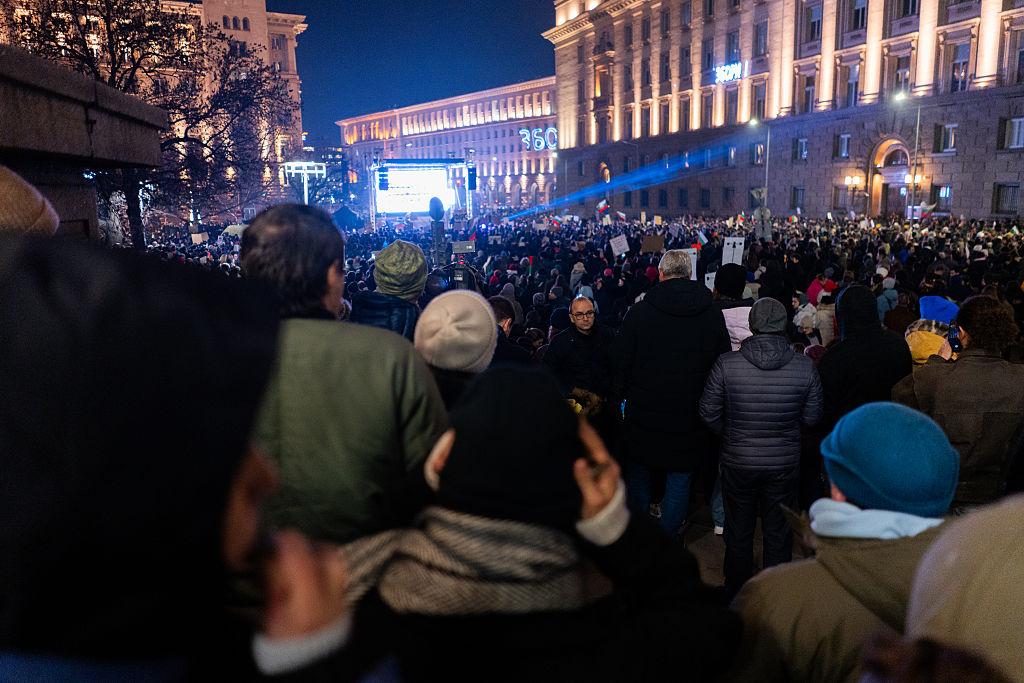
EU Russia relations news is now closely tied to Bulgaria’s election results, where Rumen Radev secured a strong mandate from voters. His campaign emphasized economic stability, sovereignty, and balanced foreign relations.
Observers note that the scale of his victory reflects public sentiment focused on domestic concerns, while also signaling openness to diversified international partnerships.
A European policy analyst stated:
“This result could influence how smaller EU nations navigate relationships with both Brussels and Moscow.”
Rumen Radev’s Political Background
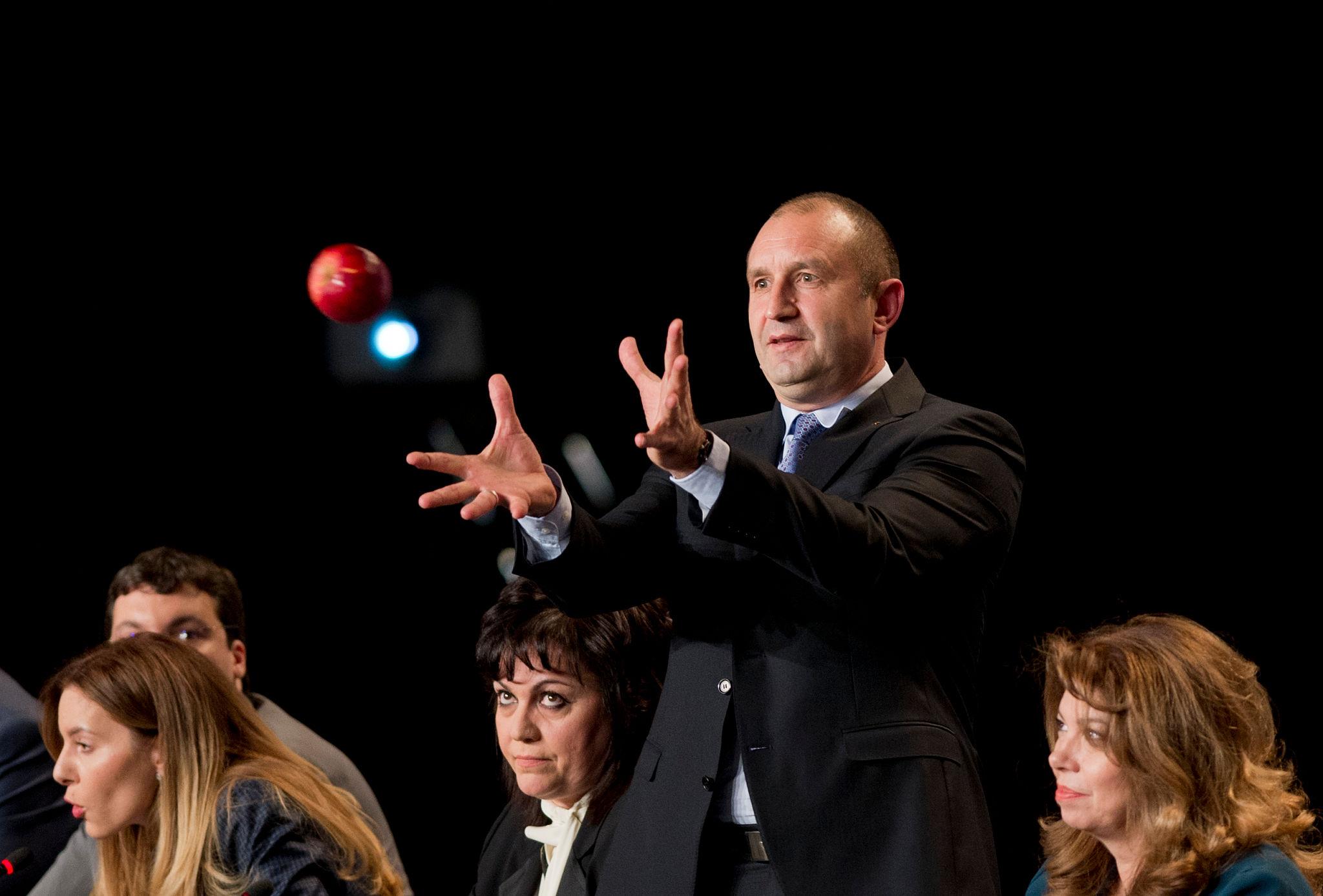
Rumen Radev’s leadership style is shaped by his military background and experience as a former air force commander. His approach has often emphasized strategic independence and pragmatic diplomacy.
EU Russia relations news frequently highlights his willingness to engage in dialogue across geopolitical divides. While some see this as a strength, others view it as a potential shift in alignment within the European Union.
This dual perception has made his presidency a focal point in regional political analysis.
Implications for EU Policy
EU Russia relations news is expected to evolve as European leaders respond to Bulgaria’s political direction. The European Union maintains unified positions on several key issues, but individual member states can influence broader discussions.
Potential areas of impact include:
- Energy policy and supply diversification
- Trade and economic cooperation
- Regional security coordination
The outcome may prompt renewed dialogue within EU institutions about maintaining cohesion.
Russia’s Strategic Interest in the Region
EU Russia relations news also reflects Moscow’s ongoing interest in Eastern Europe. Bulgaria’s geographic position and historical ties make it a strategically important country.
Analysts suggest that:
- Russia may seek to strengthen economic ties
- Energy partnerships could remain a focal point
- Diplomatic engagement may increase
However, any developments will need to align with existing EU frameworks and agreements.
Domestic Priorities Shape Foreign Policy
EU Russia relations news is influenced not only by international dynamics but also by domestic priorities within Bulgaria. Voters have expressed concerns about economic conditions, governance, and public services.
Rumen Radev is expected to focus on:
- Economic stabilization efforts
- Institutional reforms
- Addressing inflation and cost-of-living challenges
These priorities may shape how Bulgaria approaches foreign policy decisions.
Public Reaction Across Bulgaria
EU Russia relations news reflects a mix of reactions among Bulgarian citizens. While many voters support Rumen Radev’s focus on stability, others remain cautious about potential geopolitical implications.
A Sofia resident commented:
“People voted for stability, but we also want to remain strong within Europe.”
This balance between national and regional interests will likely define public expectations moving forward.
Challenges Facing the New Administration
Despite the strong electoral mandate, Rumen Radev faces several challenges as he begins his term. EU Russia relations news points to key issues that could shape his leadership.
These include:
- Maintaining alignment with EU policies
- Managing international perceptions
- Delivering on domestic economic promises
Successfully navigating these challenges will be critical for long-term stability.
Broader Impact on Eastern Europe
EU Russia relations news extends beyond Bulgaria, influencing the broader geopolitical landscape in Eastern Europe. Other countries in the region are also balancing relationships with both the European Union and Russia.
This dynamic could lead to:
- Increased regional dialogue
- Adjustments in diplomatic strategies
- Greater emphasis on economic cooperation
The situation underscores the complexity of modern international relations.
What to Watch Next
As EU Russia relations news continues to develop, attention will turn to early policy decisions made by Rumen Radev’s administration. These actions will provide insight into Bulgaria’s future direction.
Key developments to monitor include:
- Statements from EU leaders
- Diplomatic engagements with Russia
- Economic and energy policy updates
The coming weeks are expected to offer greater clarity on these issues.
A Key Moment for European Relations
EU Russia relations news highlights a significant moment in European politics following Bulgaria’s election. The outcome reflects both domestic priorities and broader geopolitical considerations.
In summary:
- EU Russia relations news intensifies after Rumen Radev’s victory
- Bulgaria’s election signals potential shifts in regional dynamics
- European leaders are closely monitoring developments
- Future policy decisions will shape long-term outcomes
As the situation evolves, Bulgaria’s role within Europe and its approach to international relations will remain under close observation.