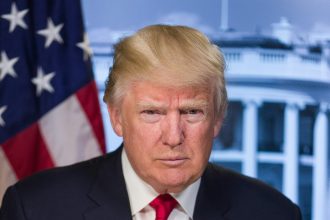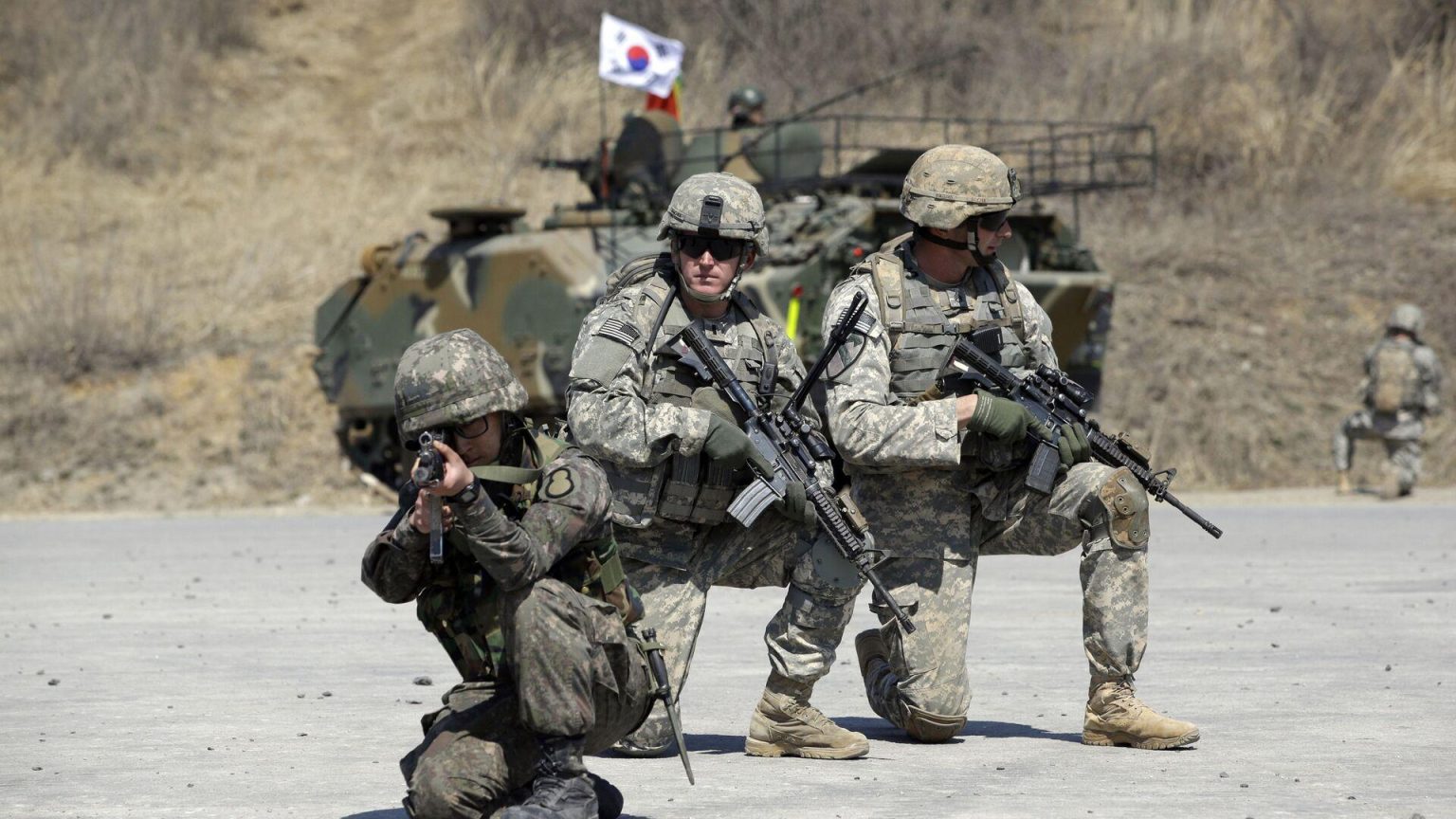
Washington, Iraq, 17 August (Brussles Morning Newspaper) US President Donald Trump has instructed the Pentagon to significantly reduce South Korea military drills, reviving his long-standing concerns about the cost and scale of joint exercises as Washington and Seoul begin one of their main annual training operations.
The directive comes as the United States and South Korea conduct Ulchi Freedom Shield, an annual exercise designed to strengthen their ability to respond to military threats on the Korean Peninsula. This year’s drills began on 17 August and are scheduled to continue until 27 August.
Trump calls for reduction in joint exercises
Trump announced his position as roughly 18,000 South Korean troops prepared to participate in Ulchi Freedom Shield. The exercises include training for threats such as drone attacks, GPS disruption and cyber operations, reflecting changes in North Korea’s military capabilities.
The president has repeatedly questioned the expense of large-scale exercises with Seoul and previously suspended major drills following his 2018 summit with North Korean leader Kim Jong Un.
Trump has also linked his latest criticism to wider tensions with Seoul, including South Korea’s refusal to support US military actions against Iran. His administration has separately pressed allies to assume greater responsibility for their own defence.
The Pentagon’s 2026 National Defense Strategy says South Korea has the military strength, defence industry and conscription system necessary to take primary responsibility for deterring North Korea, with more limited American support.
Seoul says Ulchi Freedom Shield is proceeding
Despite Trump’s instruction, South Korea’s military said the current exercise was proceeding as scheduled.
The South Korean presidential office, meanwhile, expressed hope that constructive dialogue between Washington and Pyongyang could continue, according to Reuters.
The development creates fresh questions about the future scale of South Korea military drills and how Washington intends to balance Trump’s diplomatic approach towards Pyongyang with the military readiness requirements of its alliance with Seoul.
North Korea condemns US-South Korea exercises
Pyongyang has long denounced the exercises as preparation for conflict, while Washington and Seoul describe them as defensive.
Ahead of this year’s drills, North Korea criticised growing military cooperation between the US, South Korea and Japan and accused the three countries of moving towards what it described as a nuclear alliance.
North Korea also warned that it would strengthen its nuclear deterrence in response. The comments followed renewed missile activity, including a ballistic missile launch from the Wonsan area days before the exercises began.
Trump’s decision revives his first-term policy
Trump’s latest intervention echoes his approach during his first presidency, when large-scale exercises were suspended as part of his diplomatic engagement with Kim.
Joint training was subsequently restored after negotiations over North Korea’s nuclear programme stalled.
The exercises remain an important part of the US-South Korean defence relationship, particularly as the allies assess North Korea’s nuclear weapons, missile programme and other emerging military capabilities.
What the Pentagon order means for the alliance
Any substantial reduction in future South Korea military drills could affect how the allies organise training while giving Trump greater room to pursue renewed diplomacy with Kim.
For Seoul, the issue also touches on the credibility of the longstanding US security commitment at a time when North Korea continues to develop its military capabilities.
The immediate exercise is continuing. Attention will now turn to how the Pentagon implements Trump’s instruction and whether future joint exercises are reduced in size, frequency or scope. No detailed timetable for those changes has yet been publicly confirmed.