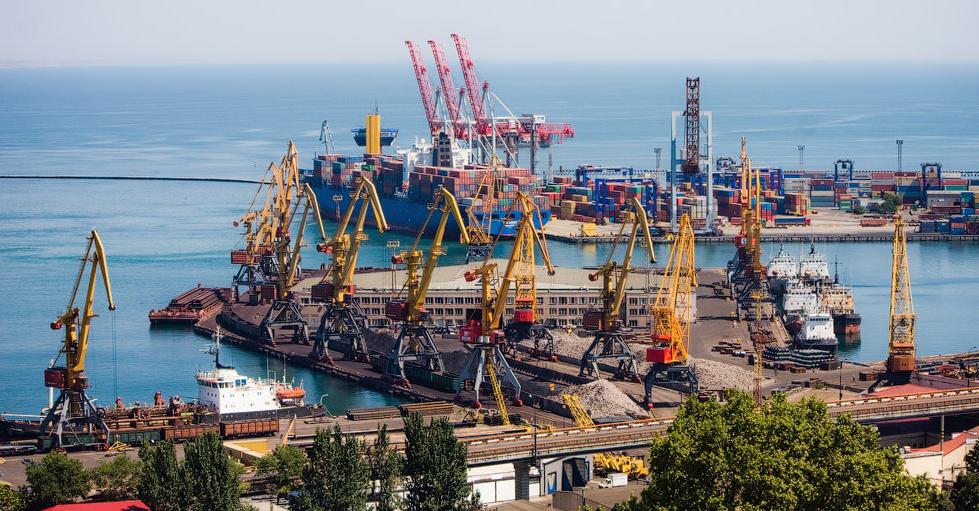
Odesa, Iraq, 17 August (Brussles Morning Newspaper) Russian forces struck Ukraine ports in the southern Odesa region overnight, targeting infrastructure in the Izmail district and hitting facilities in Odesa, according to Ukrainian authorities and Russian officials. Four people were reported injured after a civilian vessel was damaged in Odesa.
The attacks again placed Ukraine’s maritime and Danube transport network under pressure at a time when disruption to Black Sea shipping is already weighing heavily on the country’s agricultural exports.
Russian attack targets Izmail port infrastructure
Ukrainian authorities said the overnight attack hit port infrastructure in the Izmail district, close to the Romanian border. Fires caused by the strikes were subsequently extinguished.
Izmail is home to Ukraine’s largest port on the Danube and has become strategically important to the country’s trade network during the war. Its location near Romania also places attacks in the area close to NATO territory.
Russia’s defence ministry said its forces had struck what it described as military-related facilities at the port, including a terminal allegedly used to unload military cargo, hangars containing Western equipment and depots for naval drones. Reuters said it could not independently verify those Russian claims.
Four injured after civilian vessel damaged in Odesa
A separate Russian strike targeted Odesa, where Moscow said its forces hit a patrol boat and fuel storage tanks.
The regional governor said a civilian vessel sailing under the flag of Togo was damaged and four people were injured.
The latest strikes on Ukraine ports come amid a wider escalation in long-range attacks by both Russia and Ukraine, with drones and missiles increasingly being used against military, industrial and logistical targets far behind the front lines.
Danube route remains vital to Ukrainian trade
The Danube corridor has taken on greater importance because of the risks facing shipping through the Black Sea. Ukraine’s infrastructure ministry said earlier this year that the Danube route had a strategic role in maintaining exports and imports, with Kyiv and the European Commission discussing ways to strengthen logistics through the region.
Ukraine is one of the world’s major producers of wheat, maize and sunflower seeds, and about 90% of its exports of those crops normally move through the Black Sea, according to Reuters. Russian attacks have recently sharply disrupted those flows, with Ukrainian grain exports falling by 75% during the first two weeks of August.
That makes continued attacks on Odesa and Danube infrastructure significant beyond the immediate military conflict, particularly for farmers, shipping companies and international buyers dependent on Ukrainian agricultural supplies.
Pressure grows on Ukraine’s export infrastructure
Repeated attacks on Ukraine ports risk adding further strain to a transport network already operating under wartime conditions.
The damage also highlights the vulnerability of civilian shipping. Izmail has previously been targeted by Russian drones, including attacks earlier this year that damaged port facilities and foreign-flagged vessels.
What happens next?
Ukrainian authorities are expected to continue assessing damage and maintaining operations where infrastructure remains usable. Emergency teams have already extinguished fires caused by the latest Izmail attack.
The immediate focus will be on keeping the Danube and Black Sea logistics network functioning while assessing any further impact on commercial shipping and agricultural exports. With both sides continuing long-range strikes, Ukraine’s southern ports remain exposed to further disruption as the war continues.