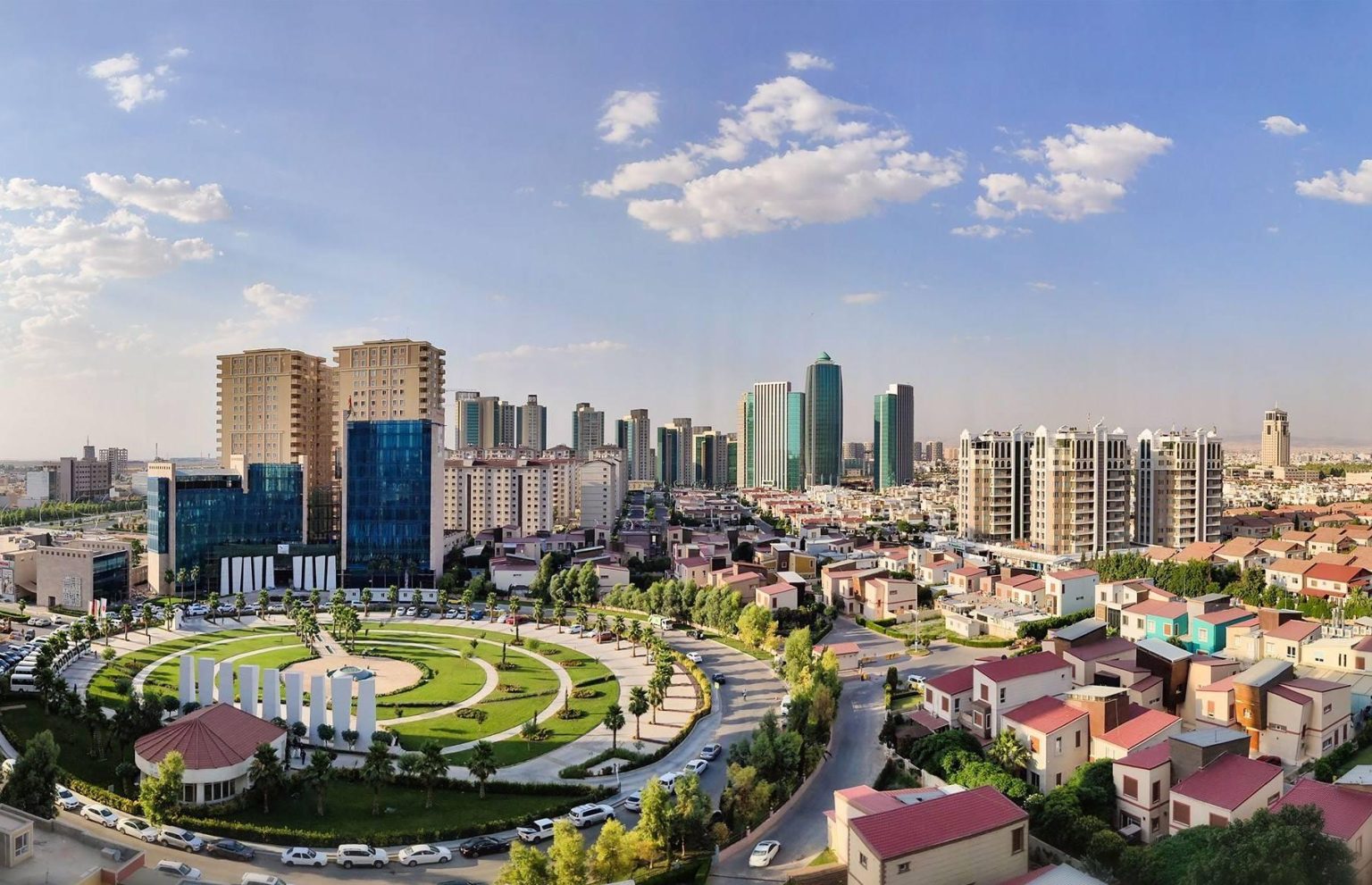
Erbil, Iraq, 17 August (Brussles Morning Newspaper) Two drones attacked the office of Kurdistan Regional Government Prime Minister Masrour Barzani early on Monday, in a strike that Kurdish authorities said originated from Iranian territory. The KRG drone attack caused no reported casualties but has renewed security concerns in Iraq’s autonomous Kurdistan Region.
The Kurdistan Regional Government’s security authorities confirmed that two drones were involved in the assault. Reuters reported, citing a KRG statement, that the aircraft were launched from inside Iran. No deaths or injuries were reported.
Two drones target Kurdish government leadership
The strike represents a direct attack on an office associated with the head of the Kurdistan Regional Government, raising the significance of the incident beyond previous attacks on military or energy infrastructure.
Masrour Barzani has served as prime minister of the Kurdistan Region since 2019. The regional government, headquartered in Erbil, administers the semi-autonomous Kurdish region in northern Iraq.
Kurdish security authorities did not immediately report casualties from Monday’s attack, while the initial statement cited by Reuters did not identify who operated the drones. The KRG’s assertion that they were launched from Iranian territory establishes their reported point of origin but does not, by itself, identify the organisation or individuals responsible.
KRG says drones came from Iranian territory
In its statement, the KRG security agency said the two drones that struck the prime minister’s office had been launched from Iranian territory and confirmed that there were no human casualties.
The KRG drone attack comes during a period of heightened security pressure across Iraqi Kurdistan, where government, military and other strategic sites have faced repeated missile and unmanned aircraft threats.
A US government inspector-general report covering January to March 2026 said Iran and Iran-aligned militias had targeted the US base at Erbil Airfield with missiles and drones. It also documented attacks on Kurdish government and security facilities during that period.
Kurdistan Region faces continuing drone threat
The latest incident follows months of concern over the vulnerability of the Kurdistan Region to aerial attacks.
The same US oversight report said drones targeted the residences of Kurdistan Region President Nechirvan Barzani and former president Masoud Barzani in late March. It also recorded a 24 March rocket attack on a Peshmerga base that killed six Peshmerga personnel and wounded at least 30.
The repeated use of drones has placed additional pressure on Kurdish and Iraqi authorities to protect political offices, military positions, airports and energy infrastructure.
Monday’s attack is particularly sensitive because of the location targeted and the KRG’s allegation that the drones crossed from neighbouring Iran.
Why the Erbil attack matters
The KRG drone attack adds another security challenge for Baghdad and the Kurdish administration at a time when regional tensions have repeatedly spilled into Iraqi territory.
For the Kurdistan Regional Government, protecting senior officials and critical infrastructure has become an increasingly important security concern. Any cross-border attack also raises questions for Iraq’s federal government because Baghdad is responsible for the country’s sovereignty and external security.
The absence of casualties limits the immediate human impact, but a direct strike on an office connected to the regional prime minister demonstrates the continuing reach of unmanned aerial threats.
What happens next?
Kurdish and Iraqi authorities are expected to examine the circumstances of the attack and determine responsibility. As of the initial reports on Monday, the KRG had said where the drones originated but had not publicly identified the perpetrators.
Any further official findings will be important in establishing whether Baghdad or Erbil takes additional diplomatic or security measures following the strike.
The incident also places renewed attention on efforts to strengthen defences against drones in Iraqi Kurdistan as regional authorities seek to protect government institutions and other strategic sites from further attacks.