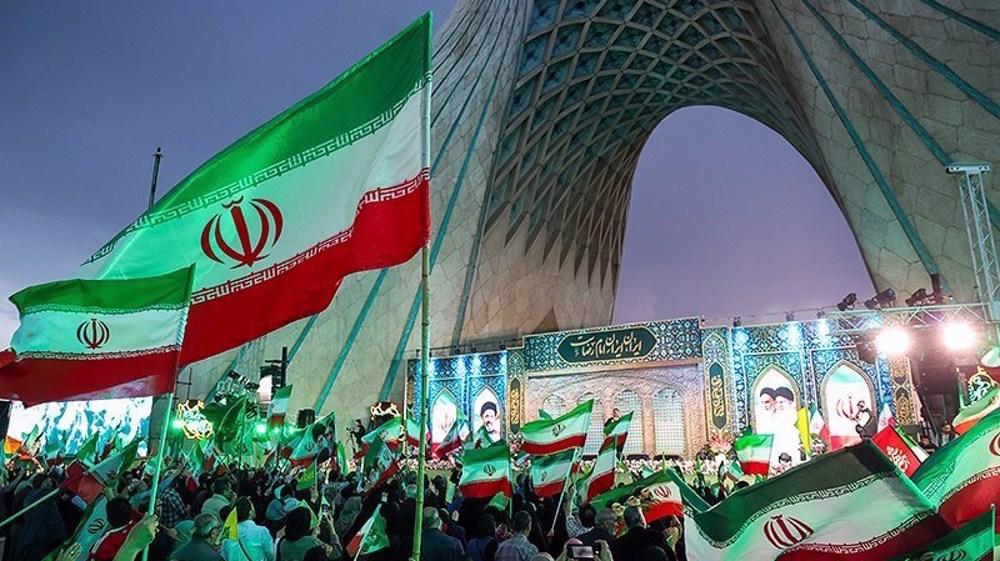
Tehran, Iran, July 06, Brussels Morning Newspaper – Iran sovereignty became the dominant message as thousands gathered for ceremonies honoring Ayatollah Ali Khamenei. The state-organized funeral was presented as more than a national farewell, with officials emphasizing continuity, national unity and resistance to external pressure. The carefully managed event drew attention from governments across the Middle East and beyond, where analysts viewed the ceremony as an indication of Iran’s strategic direction during a period of regional uncertainty. The scale of the gathering and the participation of senior political, military and religious figures reinforced the government’s effort to demonstrate that Iran sovereignty remains central to its domestic and foreign policy.
Funeral Ceremony Projects Political Continuity
The funeral unfolded under heightened security, with extensive coverage across state media. Senior officials stood alongside military commanders and religious leaders, presenting a unified image during one of the country’s most significant public events in recent years.
Government statements focused on stability rather than political transition, stressing that national institutions would continue operating without disruption. The ceremony was widely interpreted as a signal that Iran sovereignty will remain a guiding principle as the country navigates economic challenges, diplomatic tensions and regional conflicts.
“The ceremony projected continuity and resilience at a moment when regional observers were closely watching Iran’s next steps.”
A History of Sovereignty in Iran’s Political Identity
The emphasis on Iran sovereignty has deep historical roots that extend well beyond current events. Since the 1979 Islamic Revolution, Iranian leaders have consistently portrayed national independence as a defining element of state policy. Successive governments have argued that resisting foreign influence is essential to preserving the country’s political system and strategic autonomy.
That historical narrative was reflected throughout the funeral, where official speeches and symbolic displays reinforced themes of self-reliance, national resilience and institutional continuity. For many observers, the event connected decades of political messaging with today’s rapidly evolving regional landscape.
Regional Leaders Assess the Broader Message
The funeral was closely monitored across the Middle East because developments in Tehran often influence regional diplomacy and security discussions.
Analysts believe the ceremony was intended to reassure allies while signaling to rivals that Iran sovereignty remains unchanged despite ongoing geopolitical pressures. Attention is now shifting toward future diplomatic engagements, regional partnerships and policy decisions that could shape Iran’s role in the Middle East.
“Regional governments will judge Iran not only by symbolic events but also by the policy decisions that follow.”
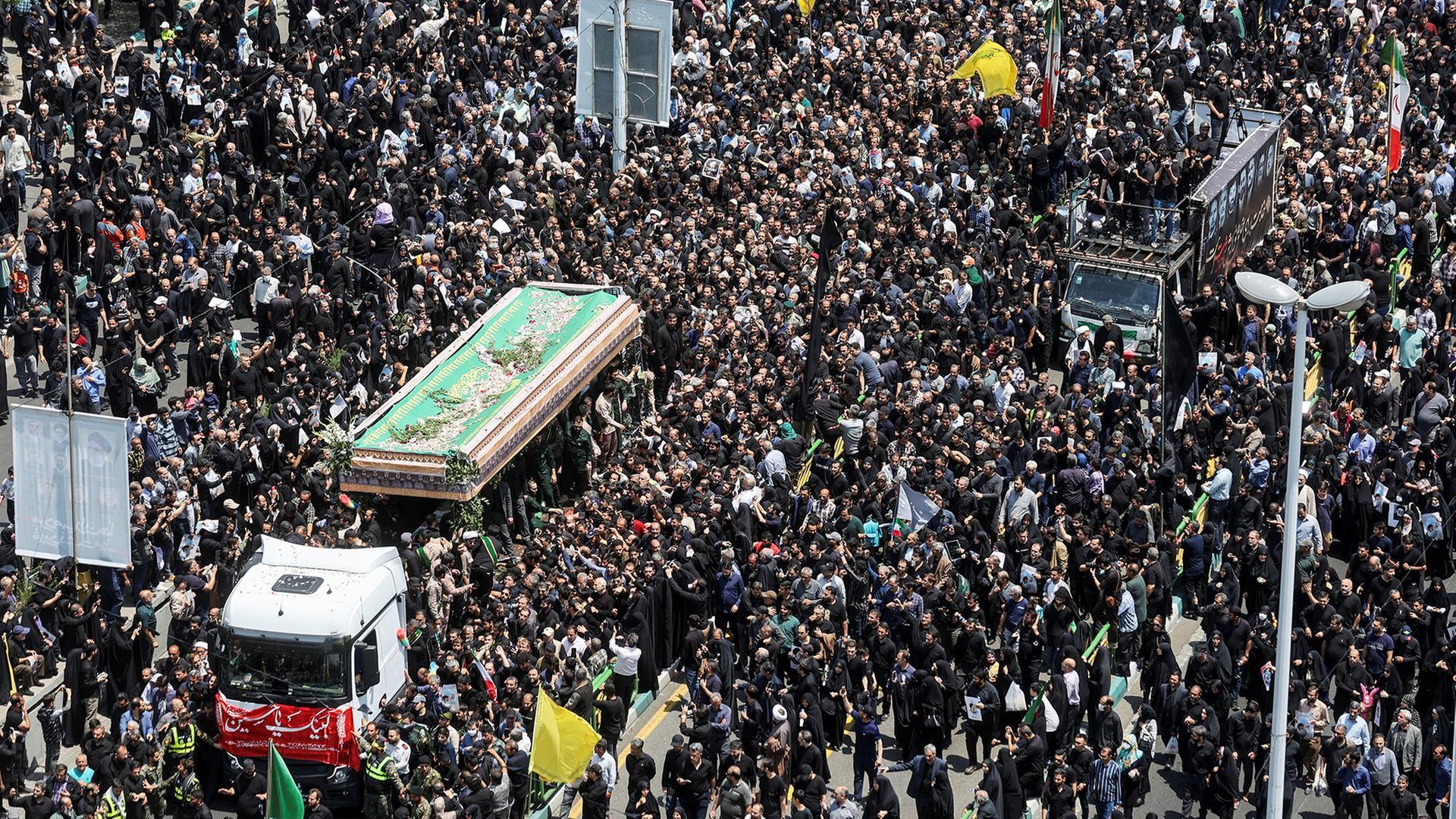
Defiance Shapes Tehran’s Strategic Narrative
Official speeches repeatedly highlighted national independence, economic resilience and resistance to foreign pressure. Military participation and carefully choreographed public ceremonies reinforced the government’s long-standing narrative that Iran sovereignty cannot be influenced by outside powers.
Political analysts noted that the messaging remained consistent with previous state positions, suggesting continuity rather than a significant policy shift.
The event also underscored Tehran’s effort to strengthen public confidence while maintaining its strategic posture in an increasingly competitive regional environment.
International Attention Turns to Future Policy
Following the funeral, diplomats and international observers began focusing on what comes next. Future policy decisions regarding regional security, economic cooperation and diplomatic negotiations are expected to receive close scrutiny.
While the ceremony itself produced no major policy announcements, officials repeatedly reaffirmed that Iran sovereignty would continue shaping national priorities. International governments are expected to watch upcoming speeches, appointments and diplomatic initiatives for clearer indications of Tehran’s future direction.
“The symbolism of the funeral was significant, but future policy actions will ultimately define Iran’s regional influence.”
Ceremony Sends a Broader Regional Signal
The funeral became more than a national memorial, serving as a carefully managed political event aimed at projecting stability, continuity and confidence. Throughout the proceedings, Iran sovereignty remained the dominant theme, reflecting the government’s effort to reassure domestic audiences while communicating determination to international observers. As regional dynamics continue to evolve, the emphasis on Iran sovereignty is expected to remain a defining feature of Tehran’s political and diplomatic strategy, making future developments closely watched across the Middle East and beyond.