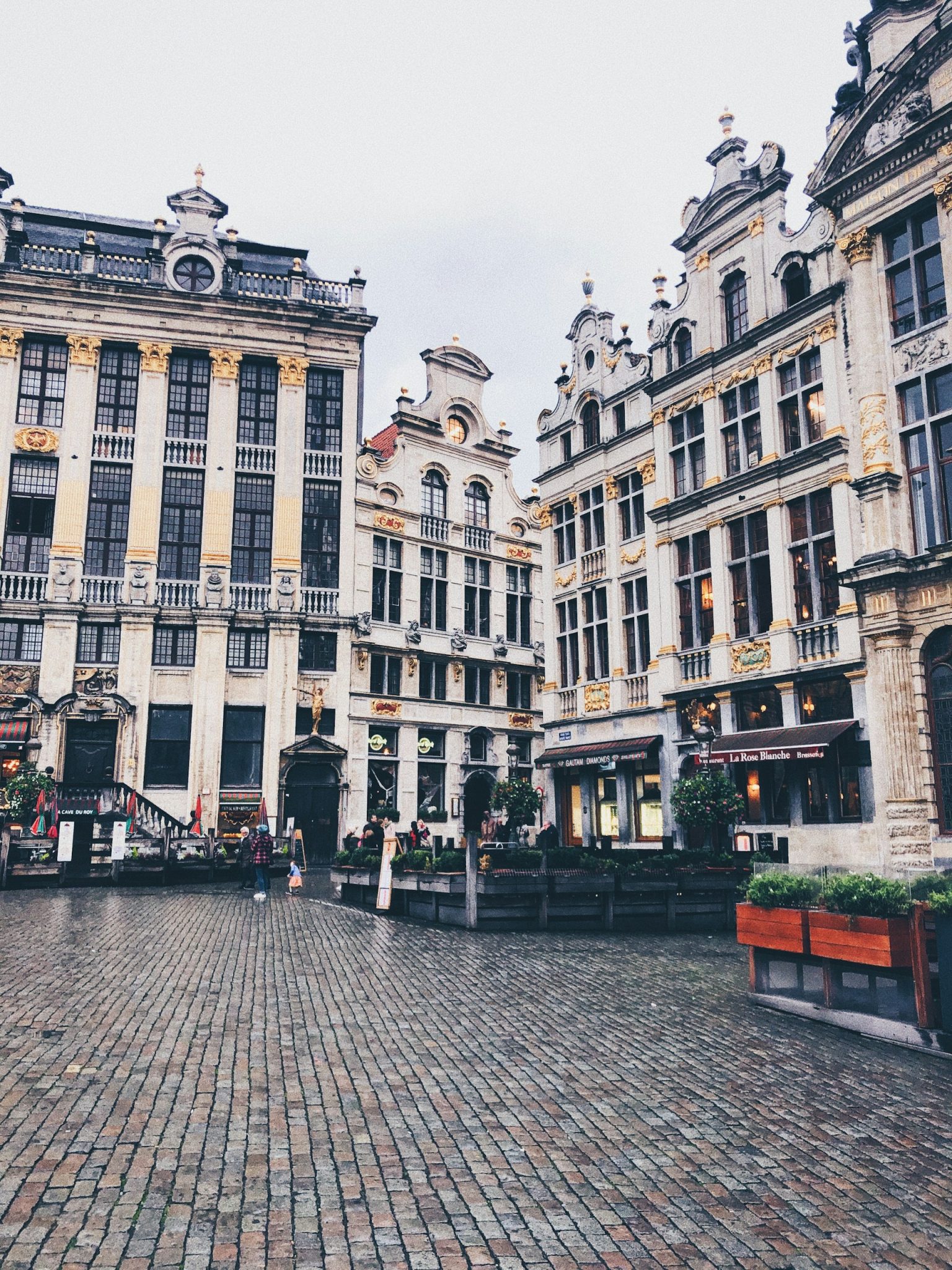
Brussels, 27 September, (Brussels Morning Newspaper) – The City of Brussels is preparing tighter commercial rules around Grand Place that would gradually reduce the number of Brussels souvenir shops from roughly 40 to about 20, as authorities seek a more diverse retail mix in the historic centre. The proposal would not require existing authorised businesses to close.
Brussels proposes gradual reduction in souvenir shops
The Brussels municipal executive is working towards approval of a Special Land Use Plan covering Grand Place and its surrounding streets.
One of its main measures would cap souvenir shops at around 20. There are currently approximately 40 businesses in the area selling products including Manneken Pis merchandise, Atomium souvenirs, magnets, postcards and other goods aimed primarily at tourists.
The reduction would happen gradually. Existing souvenir shops with valid authorisation could remain open. However, when one permanently closes, another type of business would generally have to replace it.
The approach means the proposal is not an immediate ban on souvenir retailers but a long-term attempt to change the area’s commercial balance.
City plans limits on cafés and restaurants
The proposed rules would also affect hospitality businesses. In most streets around Grand Place, cafés and restaurants would be limited to one-third of commercial premises. Streets already occupied exclusively by hospitality businesses could receive an exception.
Existing cafés and restaurants would also be allowed to continue operating. The city could, however, refuse a new permit where the permitted concentration of hospitality businesses had already been reached.
Tourist accommodation would face another restriction. No more than 20% of available floor space would be permitted for hotels and other tourist accommodation under the proposed framework.
Anaïs Maes sets out city’s planning approach
Brussels alderwoman for urban planning Anaïs Maes has described the initiative as part of a wider strategy for managing the historic centre.
“It is important for us to have a clear future vision for our historic centre,” Maes said in comments reported as the new proposals emerged.
Explaining why developing the framework has taken several years, Maes’s office also said: “It is a legislative framework, so various intermediate steps must be approved by the regional authorities.”
The city appointed a study bureau in 2021 to work on the planning framework.
Grand Place faces strong tourism and commercial pressures
The commercial restrictions are particularly significant because Grand Place is one of Brussels’ most important heritage sites.
UNESCO inscribed Grand Place on its World Heritage List in 1998, describing it as an outstanding example of the blending of architectural and artistic styles. UNESCO says the surrounding buffer zone faces “strong commercial and tourism pressures” requiring particular attention to preserve its historic urban fabric.
The proposed Brussels souvenir shops limit therefore sits within a wider effort to balance tourism and commercial activity with housing and heritage conservation.
Public consultation will precede final decision
The proposed rules are not yet final and should not be treated as restrictions already in force.
The planning process is expected to include public consultation, giving residents, businesses and other interested parties an opportunity to respond before final approval.
For existing retailers, the most important element is the planned transition: authorised shops would remain open, while the number of souvenir businesses would fall gradually as premises become available for other uses.