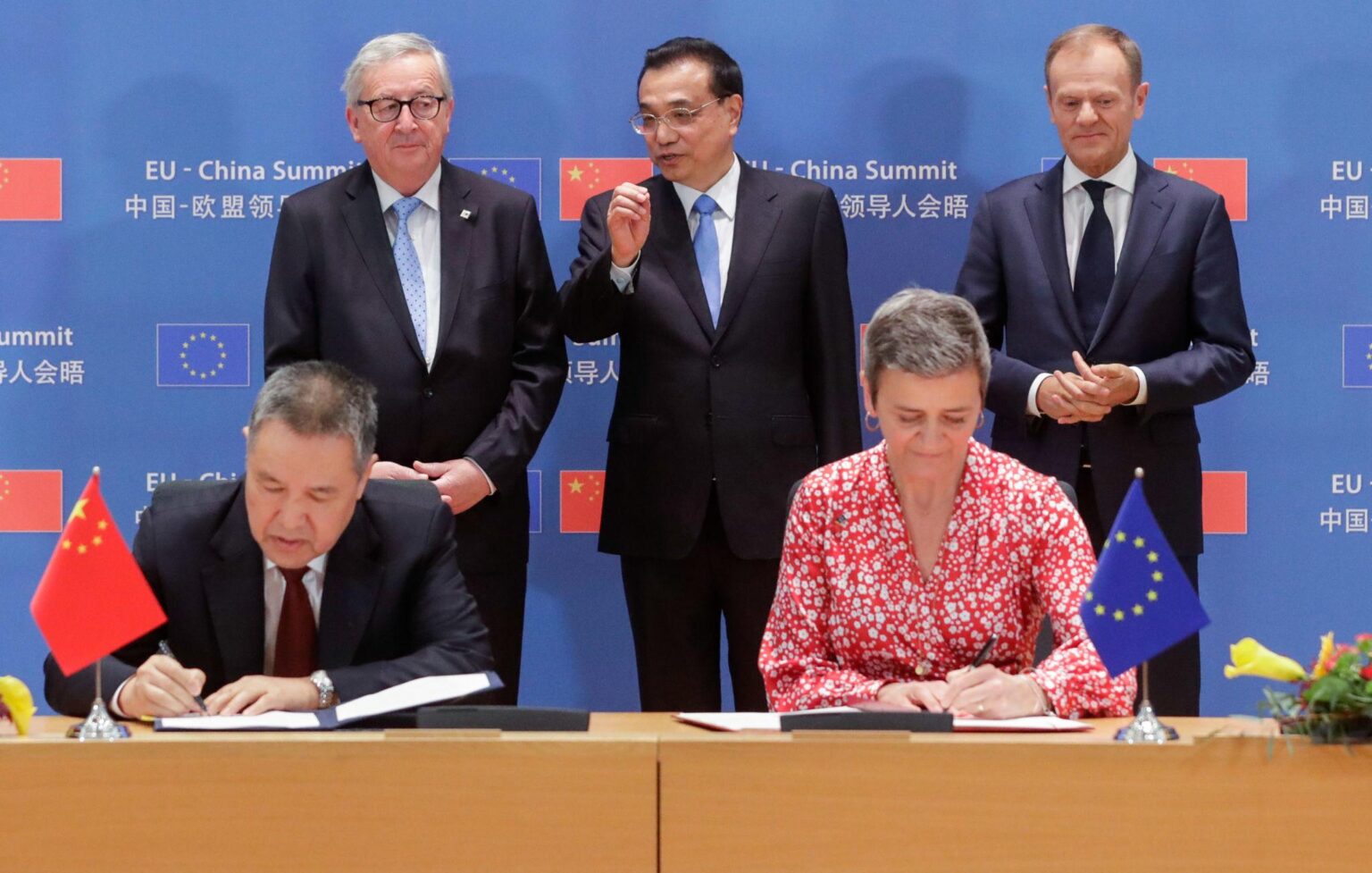
China, January 31 2026 — According to Brussels Morning Newspaper,China EU trade relations are undergoing renewed examination as policymakers, diplomats, and industry leaders from both sides assess recent tariff adjustments, regulatory signals, and market access policies against a backdrop of economic uncertainty and shifting global trade dynamics.
Historical Context of Bilateral Trade
Trade between China and the European Union has evolved over decades into one of the world’s most significant economic partnerships. The relationship encompasses manufacturing, agriculture, technology, and consumer goods, reflecting deep interdependence between the two economies.
However, this interdependence has also produced recurring friction, particularly during periods of economic slowdown or geopolitical tension. Analysts note that China EU trade relations have historically oscillated between cooperation and cautious rivalry, shaped by differing regulatory systems and strategic priorities.
Recent Developments Prompting Renewed Focus
The latest attention follows a series of policy recalibrations by Chinese authorities affecting select European exports, coupled with renewed diplomatic engagement in Brussels. While officials have avoided framing these steps as concessions, market observers interpret them as pragmatic adjustments aimed at stabilizing trade flows.
European officials emphasize that maintaining open channels remains essential, especially as China EU trade relations influence supply chains extending far beyond the two regions.
Brussels as the Center of Negotiation
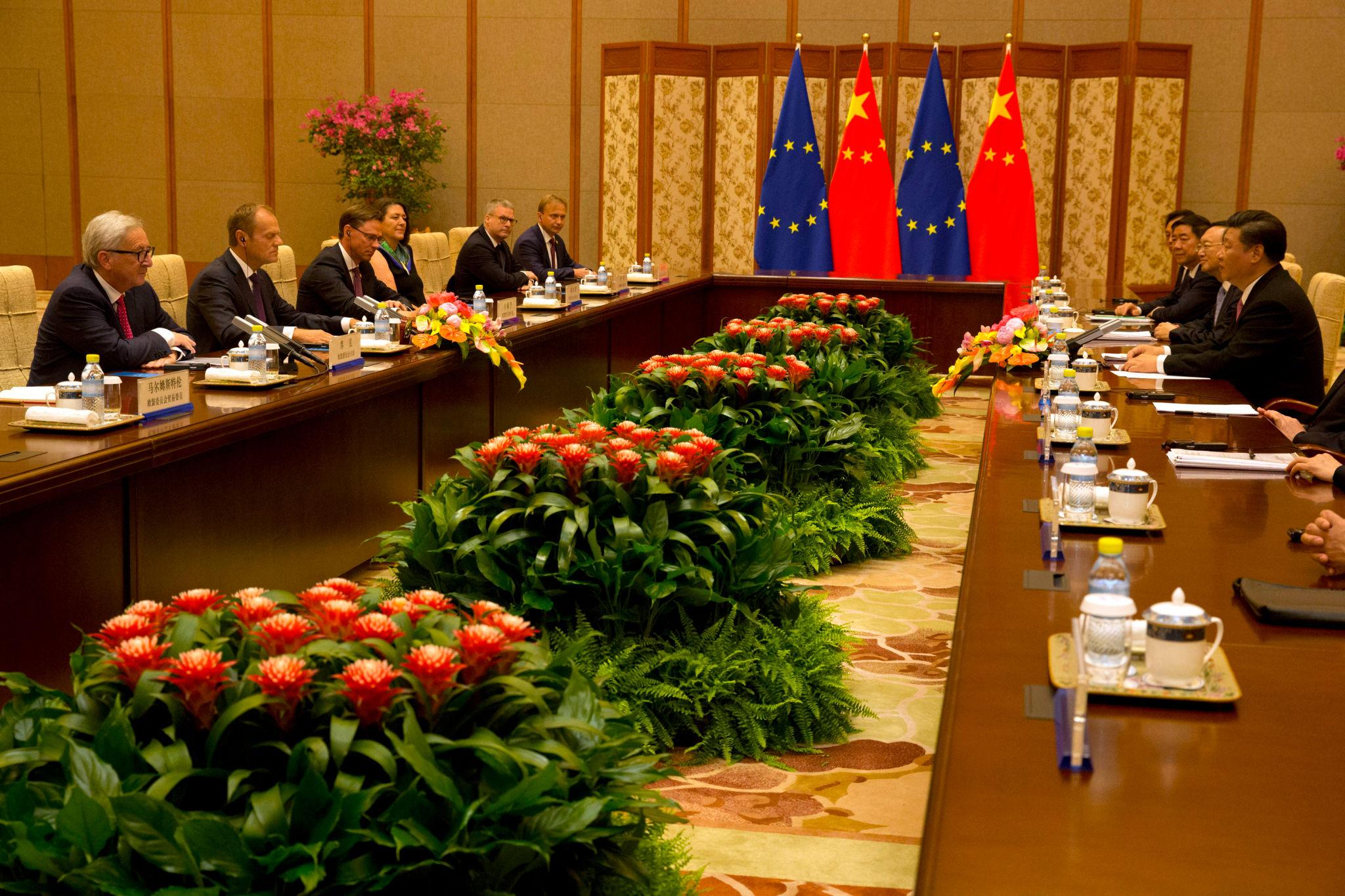
Brussels has emerged as the focal point for renewed engagement, hosting discussions involving trade commissioners, policy advisors, and industry representatives. Meetings have centered on tariff structures, regulatory transparency, and dispute-resolution mechanisms.
Diplomats familiar with the talks describe them as measured and technical, underscoring the complexity of managing China EU trade relations amid broader economic headwinds.

Economic Pressures Shaping Policy Decisions
Both China and the European Union face slowing growth, rising production costs, and shifting consumer demand. These pressures have prompted policymakers to reassess trade tools that could either exacerbate or mitigate economic strain.
Economists argue that easing certain barriers could help stabilize China EU trade relations, particularly in sectors sensitive to price fluctuations and consumer confidence.
European Industry Response
European manufacturers and exporters have reacted cautiously to recent developments. Industry associations acknowledge progress but stress the need for predictability to support long-term planning and investment.
Executives note that uncertainty surrounding China EU trade relations affects decisions on production capacity, logistics, and market expansion.
China’s Domestic Economic Considerations
China’s approach to trade policy is shaped by domestic priorities, including employment stability, industrial upgrading, and consumer price management. Adjustments affecting European imports reflect efforts to balance domestic production with demand for high-quality foreign goods.
In this context, China EU trade relations function as a strategic lever rather than a purely transactional exchange.
Regulatory Alignment Challenges
Regulatory divergence remains one of the most persistent obstacles to smoother trade. Differences in certification standards, environmental requirements, and compliance procedures create friction even in the absence of tariffs.
Experts caution that unresolved regulatory issues could constrain the full potential of China EU trade relations, regardless of tariff policy.

Diplomatic Channels and Technical Talks
Beyond high-level meetings, technical working groups continue to address sector-specific concerns. These groups focus on customs procedures, data-sharing protocols, and inspection standards.
Such behind-the-scenes efforts are critical to sustaining China EU trade relations, particularly during periods of political sensitivity.
Global Trade Environment
The broader global trade environment remains volatile, shaped by supply chain realignments, regional conflicts, and evolving trade alliances. Against this backdrop, cooperation between major economies carries heightened importance.
Analysts suggest that resilient China EU trade relations could contribute to broader global economic stability.
Business Confidence and Market Sentiment
Market sentiment often reacts quickly to policy signals. Even modest adjustments can influence investor confidence, currency movements, and commodity pricing.
Financial analysts note that sustained clarity in China EU trade relations could support market stability during uncertain economic cycles.
One Quote from a Trade Official
“Trade works best when rules are clear and dialogue remains open,”
said one European trade official familiar with the negotiations.
Political Dimensions of Trade Policy
Trade policy is inherently political, shaped by domestic constituencies and strategic considerations. European lawmakers continue to balance economic engagement with concerns over fair competition and regulatory standards.
Similarly, Chinese policymakers weigh external trade commitments against internal economic objectives, influencing the trajectory of China EU trade relations.
Strategic Autonomy and Diversification
The European Union has increasingly emphasized strategic autonomy, seeking to diversify supply chains while maintaining engagement with key partners. This approach does not signal disengagement but rather risk management.
Within this framework, China EU trade relations are viewed as a critical test case for balancing openness with resilience.
Legal and Institutional Frameworks
Existing legal frameworks, including bilateral agreements and multilateral trade rules, provide mechanisms for managing disputes. However, enforcement and interpretation remain contentious.
Strengthening institutional mechanisms could enhance China EU trade relations by reducing uncertainty and improving compliance.
Impact on Small and Medium Enterprises
Small and medium-sized enterprises often bear the brunt of trade volatility. Compliance costs, market access barriers, and logistical complexity disproportionately affect smaller firms.
Trade groups argue that improving China EU trade relations would particularly benefit SMEs by lowering barriers and increasing predictability.
Environmental and Sustainability Considerations
Sustainability has become an increasingly prominent factor in trade discussions. Environmental standards, carbon reporting, and green technologies now intersect with commercial policy.
Both sides acknowledge that aligning sustainability goals could influence the future direction of China EU trade relations.
Digital Trade and Technology
Digital trade, data governance, and technology transfer represent emerging frontiers in bilateral commerce. Differences in regulatory approaches pose challenges but also opportunities for dialogue.
Experts see digital cooperation as a potential stabilizer in China EU trade relations over the long term.
Risk of Escalation and De-escalation
While recent developments suggest de-escalation, analysts caution that unresolved issues could quickly reignite tensions. Trade remedies, investigations, or political disputes could alter momentum.
Managing escalation risks remains central to sustaining China EU trade relations.
Long-Term Economic Outlook
Most economists anticipate gradual rather than dramatic change. Incremental policy adjustments, confidence-building measures, and sustained engagement are viewed as the most realistic path forward.
The durability of China EU trade relations will depend on adaptability and mutual interest rather than short-term gains.
Trade Beyond Tariffs: Measuring the Resilience of Cooperation
As global economic conditions continue to evolve, the strength of China EU trade relations will ultimately be judged by their ability to withstand pressure, adapt to change, and deliver mutual benefit. The decisions taken in 2026 may not resolve all challenges, but they will shape the foundation of economic cooperation for years to come.