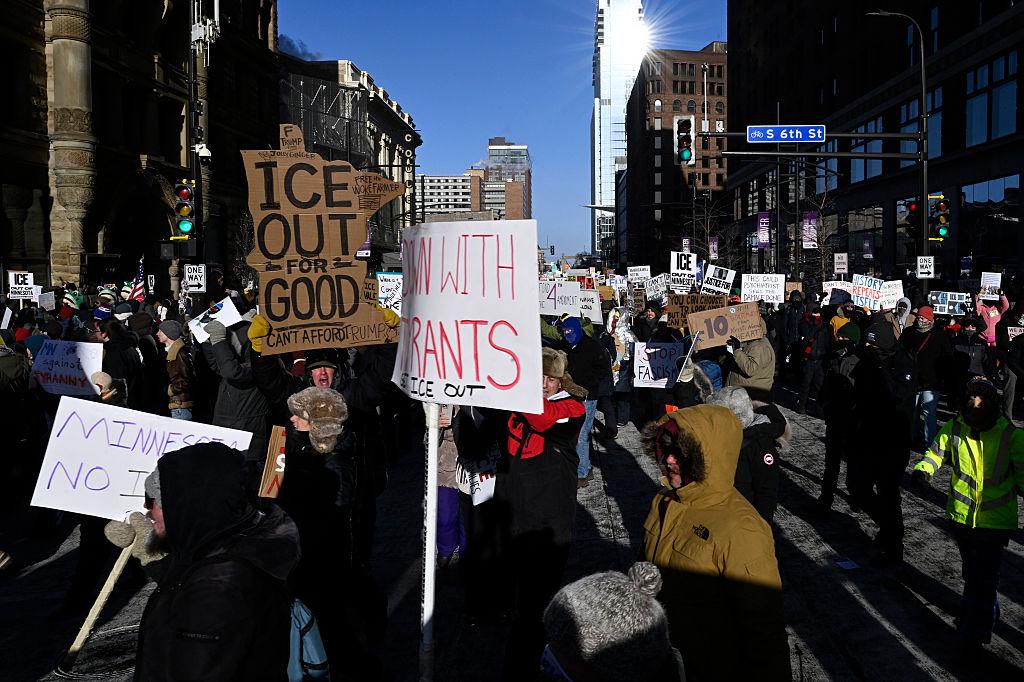
United States, Minneapolis, January 31, 2026 — According to Brussels Morning Newspaper, ICE protests escalated into a nationwide movement as demonstrators flooded streets, campuses, and public squares following controversial federal immigration enforcement operations that resulted in the deaths of US citizens. The developments renewed scrutiny of federal authority, civil liberties, and law enforcement accountability across the country.
Minneapolis Emerges as Flashpoint
Minneapolis quickly became the center of national attention after two fatal encounters involving federal immigration agents shocked local communities and reverberated far beyond Minnesota. The incidents occurred during a multi-agency enforcement initiative described by federal authorities as necessary for public safety, while critics argued the operation was excessive and poorly coordinated.
Within hours of the shootings, residents gathered at memorial sites across the city. Candles, handwritten signs, and photographs marked spaces of mourning that soon transformed into hubs of civic mobilization. By the following day, demonstrations had grown beyond city limits, reflecting wider frustration with immigration enforcement practices.
Timeline of Events
The enforcement operation, carried out earlier in January, involved multiple federal agencies working in coordination across several Minneapolis neighborhoods. Officials stated the initiative targeted individuals with outstanding warrants. However, questions quickly emerged regarding the intelligence used, the degree of force applied, and the decision-making process during the encounters.
As new details surfaced, local leaders demanded transparency, while civil rights organizations called for independent investigations. By the end of the week, coordinated demonstrations were announced in dozens of cities, indicating the issue had moved beyond a localized tragedy into a national debate.
Expansion Into a Nationwide Movement
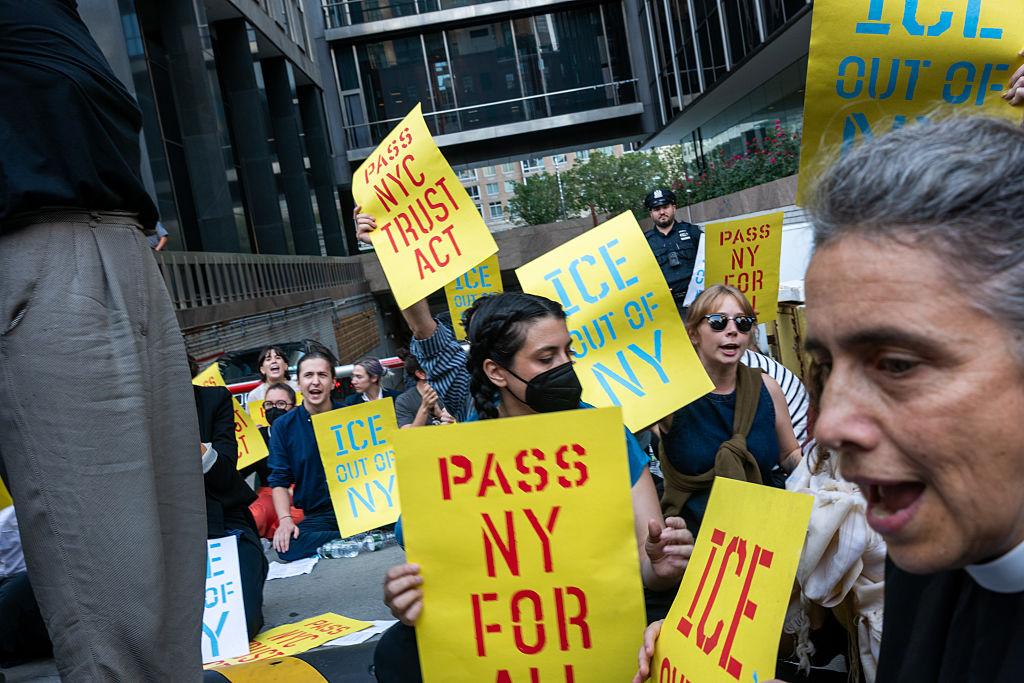
What began as localized outrage soon evolved into synchronized national action, with ICE protests appearing in major metropolitan areas including New York, Los Angeles, Chicago, Atlanta, Boston, and Seattle, as well as in smaller cities and college towns.
Organizers relied heavily on digital platforms to coordinate marches, walkouts, and economic shutdowns. Messaging emphasized solidarity with affected families and framed the demonstrations as a defense of constitutional protections rather than a partisan campaign. The scope and speed of mobilization positioned the ICE protests among the fastest-spreading protest movements in recent years.
Student Walkouts and Labor Participation
Educational institutions played a significant role in amplifying the demonstrations. High school and university students organized walkouts, citing concerns over civil liberties and the long-term effects of enforcement practices on immigrant communities. In several regions, the ICE protests were accompanied by teach-ins and campus forums examining federal authority and civil rights.
Labor unions and worker advocacy groups also joined demonstrations in select cities, temporarily halting operations or encouraging members to participate during off-hours. While participation varied by region, organized labor added economic visibility to the ICE protests.
Government Response at the Local Level
Municipal leaders in Minneapolis publicly condemned the loss of life and pledged cooperation with federal investigations. City officials stressed the importance of maintaining public trust and called for clearer boundaries between federal enforcement activities and local governance.
Several city councils across the country passed symbolic resolutions urging restraint in immigration operations and advocating for increased oversight. Although these measures carried limited legal authority, they reflected mounting political pressure generated by the ICE protests.
State Leaders Enter the Debate
Governors in multiple states issued statements addressing the unfolding unrest. Some expressed support for peaceful demonstrations and emphasized accountability, while others defended federal enforcement authority, warning against undermining national immigration laws.
These contrasting responses highlighted deep political divisions and underscored the complexity of balancing federal jurisdiction with local concerns as the ICE protests continued to expand.
Federal Agencies Defend Operations
Federal officials maintained that enforcement actions complied with existing laws and operational protocols. Agency representatives emphasized that officers often face unpredictable risks and must make rapid decisions under challenging circumstances.
At the same time, senior officials acknowledged the need for internal reviews and expressed openness to policy evaluations aimed at preventing similar incidents in the future.
Justice Department Review
The Department of Justice confirmed it had opened a civil rights inquiry into the Minneapolis shootings. The review focuses on whether federal agents violated constitutional protections and whether current training and oversight mechanisms are sufficient.
Legal experts noted that while such investigations are not uncommon, their findings can significantly influence future policy reforms and operational guidelines linked to the ICE protests.
Media Coverage and Public Discourse
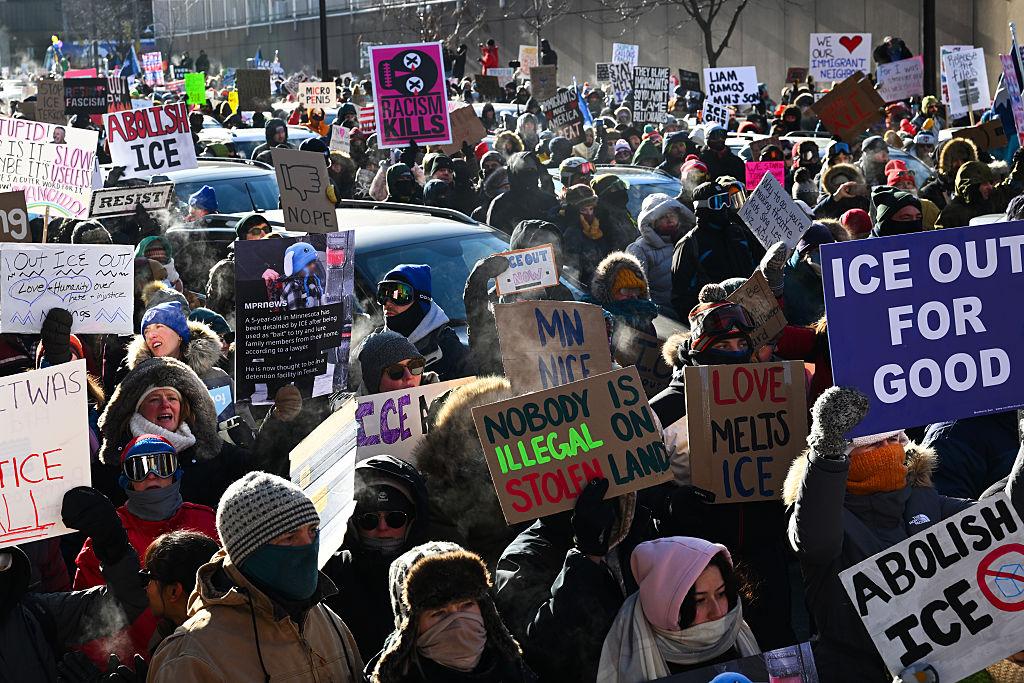
Coverage of the demonstrations dominated national headlines for days, with images of packed streets and student walkouts circulating widely. Editorial boards offered sharply different perspectives, with some framing the movement as a necessary check on federal power and others cautioning against politicizing law enforcement.
Public opinion polling during the peak of the ICE protests suggested a divided electorate, balancing support for accountability with concerns about border security and immigration enforcement.
Role of Advocacy Organizations
Civil rights and immigration advocacy groups played a central role in organizing demonstrations and distributing information. Legal teams associated with these groups provided know-your-rights materials and coordinated legal observers at protest sites.
Several organizations announced plans to pursue litigation related to the Minneapolis incidents, citing alleged violations of due process and excessive use of force.
Economic Impact in Urban Centers
In some cities, demonstrations resulted in temporary business closures and reduced economic activity, particularly where organizers called for consumer boycotts or general strikes. Downtown districts in Minneapolis reported lighter foot traffic during peak protest days.
Economists cautioned against overstating long-term economic consequences but acknowledged that sustained activism tied to the ICE protests could influence corporate and municipal decision-making.
National Political Implications
The demonstrations added momentum to ongoing debates in Congress over immigration policy and federal law enforcement funding. Lawmakers on both sides referenced the events during public statements and legislative hearings.
Proposals ranged from expanded oversight mechanisms to broader restructuring of enforcement agencies, as national attention remained focused on the ICE protests.
Community Safety Concerns
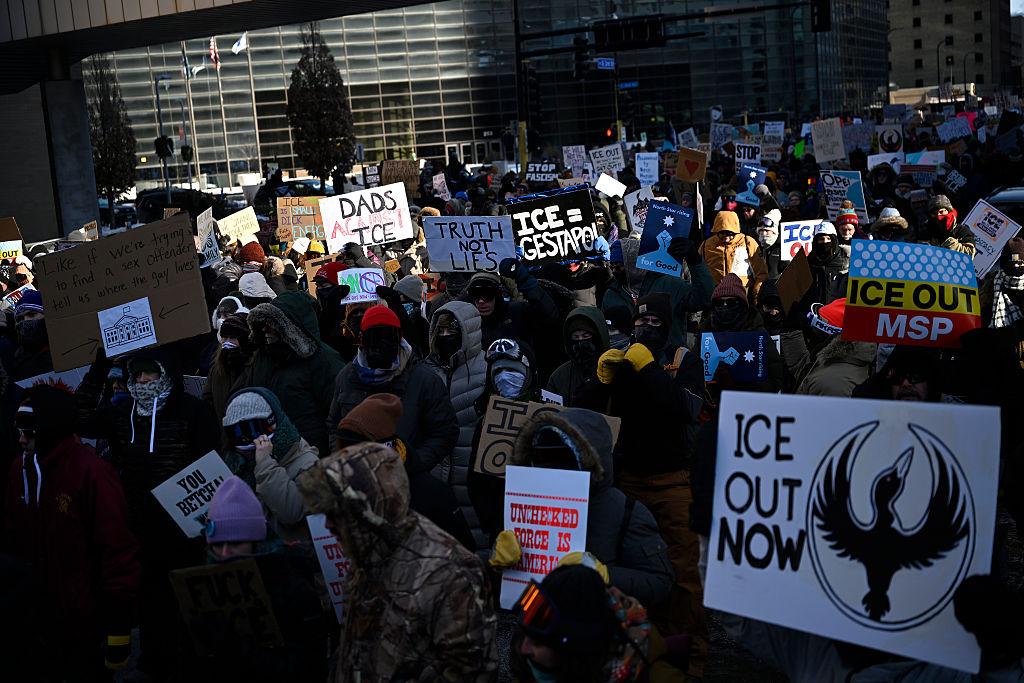
Law enforcement officials expressed concern about maintaining public safety amid large gatherings, though most demonstrations remained peaceful. Local police departments coordinated crowd-management efforts and often avoided aggressive tactics to prevent escalation.
Organizers repeatedly emphasized nonviolence, urging participants to remain focused on messaging rather than confrontation.
International Attention
International media outlets covered the demonstrations, framing them within broader discussions of democratic accountability and human rights in the United States. Analysts noted that such coverage can shape global perceptions of domestic stability and governance.
Cultural and Social Impact
Artists, writers, and musicians responded with creative works reflecting grief, anger, and hope. Cultural institutions hosted forums examining the historical context of immigration enforcement and civil resistance, extending engagement beyond the immediate news cycle.
Technology and Mobilization
Digital tools played a crucial role in organizing and sustaining demonstrations. Encrypted messaging platforms, social media hashtags, and livestreams enabled rapid coordination and real-time documentation.
Researchers observed that decentralized digital organizing allowed protests to adapt quickly to changing circumstances, reducing reliance on centralized leadership structures.
Legal Experts Weigh In
Legal scholars debated constitutional questions raised by the Minneapolis incidents amid ongoing ICE protests, including the scope of federal authority, standards governing use of force, and individual rights during enforcement operations.
Many emphasized that court rulings and investigative findings could shape future enforcement practices nationwide.
Public Trust and Institutional Confidence
The events reignited broader concerns about public trust in institutions. Surveys indicated confidence levels varied across demographic groups, with younger respondents expressing heightened skepticism toward federal enforcement agencies.
Experts argued that restoring trust would require transparency, accountability, and consistent communication.
One Quote From Organizers
an organizer said during a downtown rally.
“The country is watching Minneapolis because it reflects a deeper question about who is protected and who is not,”
Looking Ahead: Policy and Reform
As investigations continue and political debates evolve, attention has shifted toward potential reforms. Proposals include revised training protocols, enhanced oversight, and clearer operational guidelines.
Whether these measures translate into lasting policy change remains uncertain, but the sustained visibility of the ICE protests has ensured the issue remains firmly on the national agenda.
The Long Arc of Civic Mobilization
As the immediate intensity of the demonstrations begins to fade, the networks formed during the ICE protests are transitioning into long-term advocacy efforts. Community groups are focusing on voter engagement, legal reform, and public education, suggesting the events of 2026 may leave a lasting imprint on civic participation and the national conversation around federal authority and civil rights.