Eastern Congo, January 31 2026 — According to Brussels Morning Newspaper A Congo mining accident has killed more than 200 people after a coltan mine collapsed in a remote eastern region of the Democratic Republic of Congo, according to local officials, bringing renewed attention to the dangers of informal mining, the absence of safety enforcement, and the persistent human cost of extracting minerals essential to the global economy.
Disaster Strikes a Vulnerable Region
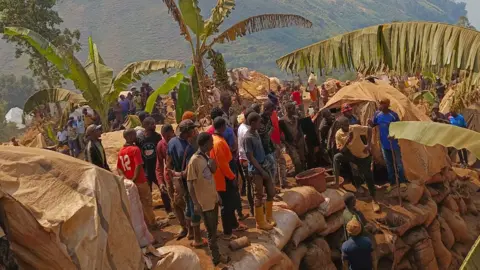
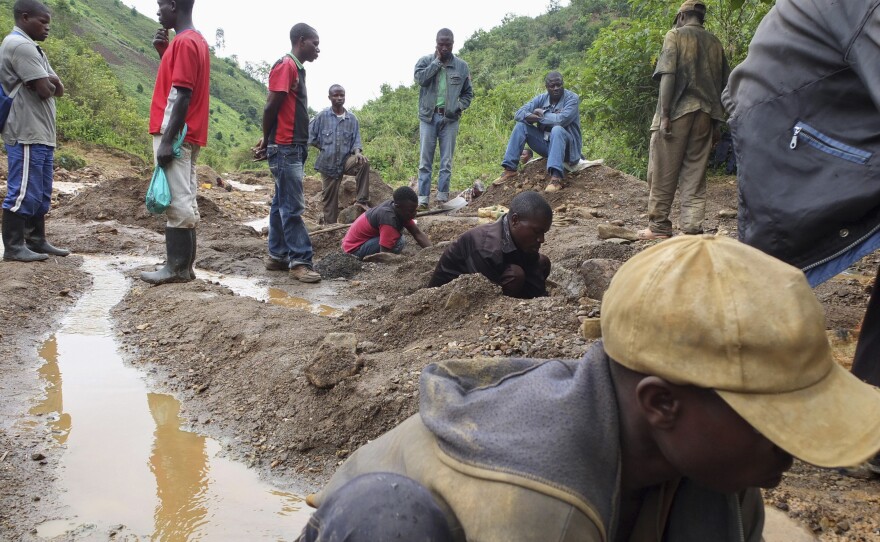
The collapse occurred in a mountainous area of eastern Congo known for its mineral wealth and widespread artisanal mining activity. Workers at the site were digging narrow, unsupported tunnels by hand in search of coltan when a large section of earth gave way, burying miners under tons of soil and rock.
Local authorities said the collapse happened without warning, leaving little opportunity for escape. Survivors described hearing a sudden roar as the ground caved in, followed by silence. The scale of the Congo mining accident quickly became apparent as rescue teams struggled to reach the site.
Remote Location Complicates Emergency Response
Access to the mining area is limited, with rough terrain and poor infrastructure hampering rescue efforts. Emergency workers traveled for hours on foot and by motorcycle to reach the site, carrying basic tools due to the absence of heavy machinery.
Heavy rains further destabilized the ground, forcing rescuers to pause operations repeatedly. Officials said these conditions significantly reduced the chances of finding survivors following the Congo mining accident.
Rising Death Toll and Identification Challenges
Initial reports estimated dozens of fatalities, but the number climbed steadily as bodies were recovered. Local administrators confirmed that more than 200 miners had died, though the true toll may be higher.
Many miners were not registered or formally employed, making identification difficult. Families searched among the recovered bodies, hoping for answers as the full scope of the Congo mining accident continued to unfold.
Informal Mining as a Way of Life
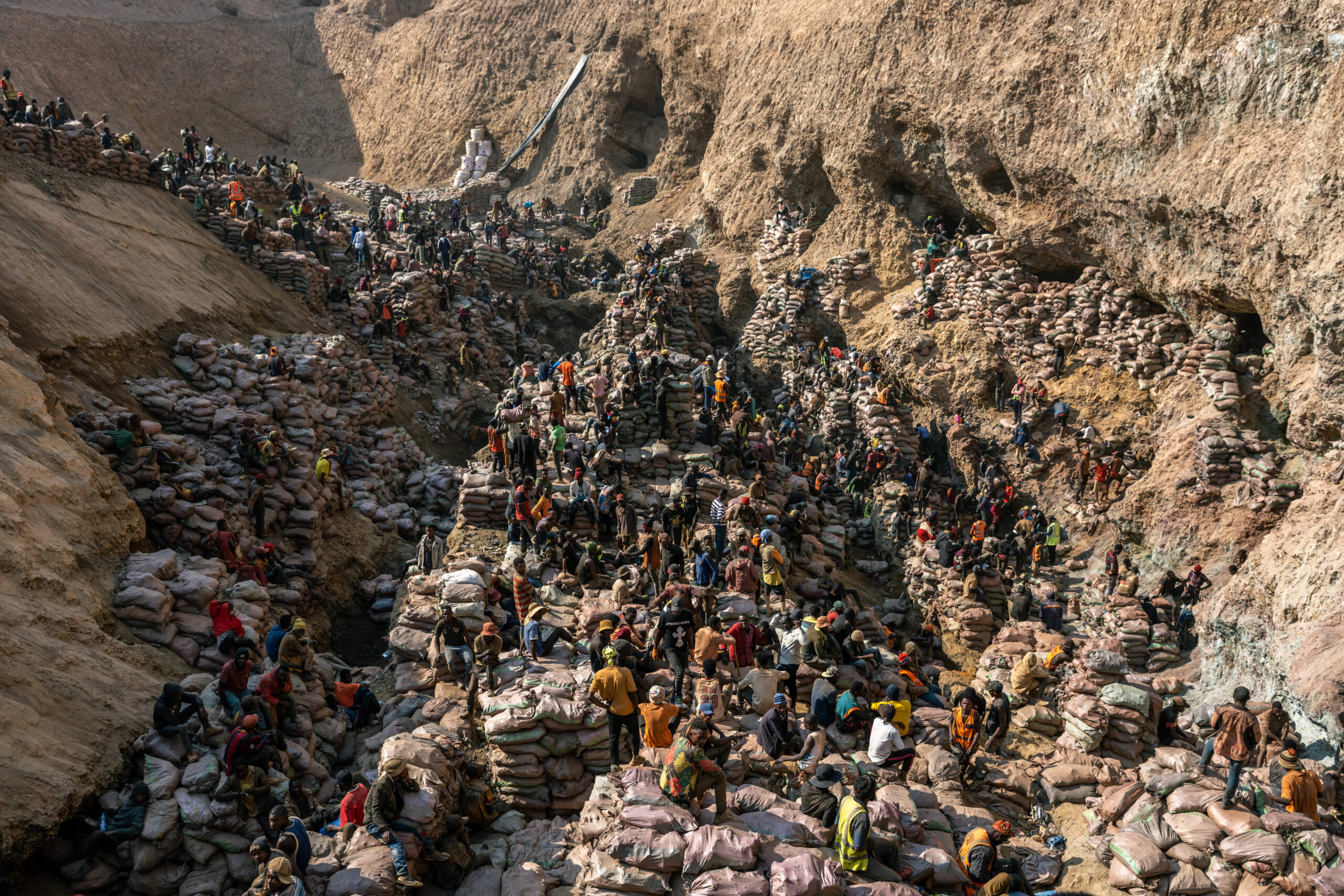
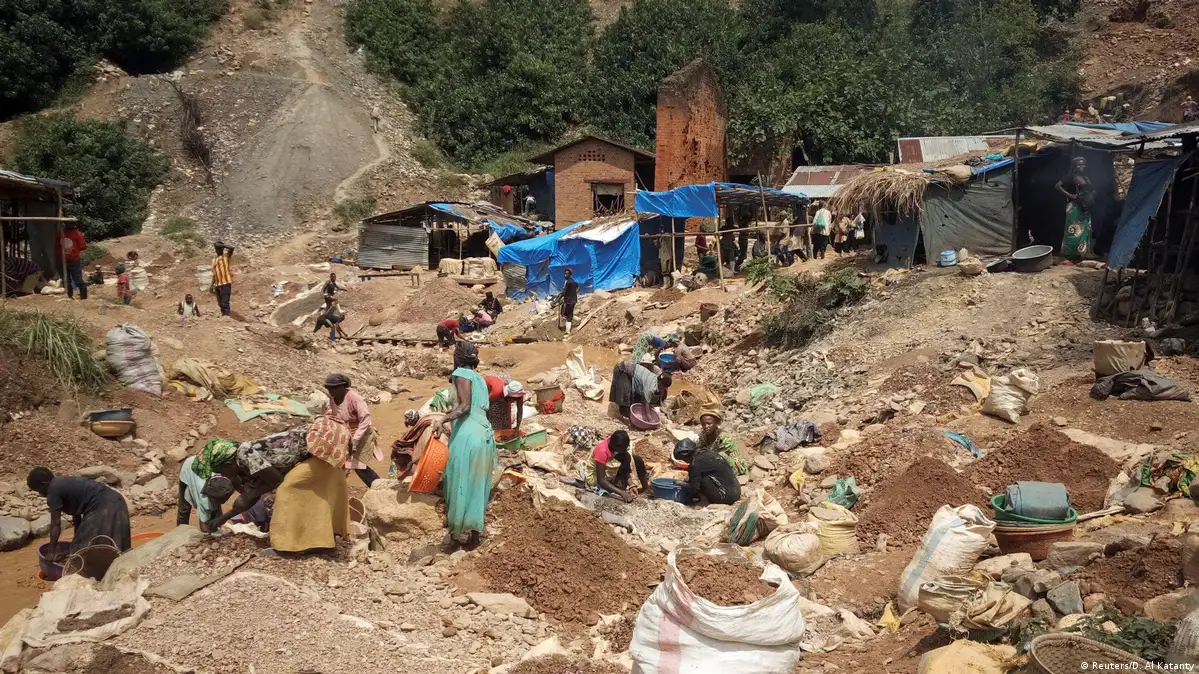
Artisanal mining is deeply embedded in the local economy of eastern Congo. Thousands of families rely on informal extraction of coltan, gold, and other minerals for survival.
With limited employment opportunities, miners often accept extreme risks. The Congo mining accident highlights the precarious balance between economic necessity and personal safety faced by workers across the region.
Absence of Safety Measures
The mine where the collapse occurred lacked even the most basic safety features. There were no reinforced shafts, no ventilation systems, and no emergency exits.
Mining experts say such conditions are common in informal operations. The Congo mining accident underscores how the absence of oversight transforms economic activity into a deadly gamble.
Government Reaction and Investigation
National authorities announced an investigation into the collapse, pledging to determine responsibility and assess whether negligence played a role. Officials said illegal mining operations would be targeted, though enforcement has historically been inconsistent.
Past tragedies similar to the Congo mining accident have prompted promises of reform, but lasting change has remained elusive.
Economic Pressures Driving Risk
Eastern Congo’s mineral wealth contrasts sharply with widespread poverty. For many miners, the choice is not between safe and unsafe work, but between working in dangerous conditions or not working at all.
Economists argue that the Congo mining accident reflects structural failures that push vulnerable populations into hazardous labor.
Coltan’s Role in the Global Economy
Coltan is a critical component in the production of smartphones, laptops, and other electronic devices. Congo supplies a significant portion of the world’s coltan, making the region strategically important to global technology supply chains.
Analysts note that the Congo mining accident exposes the hidden human costs behind consumer electronics used worldwide.
Supply Chain Scrutiny Intensifies
International organizations and advocacy groups renewed calls for stronger oversight of mineral supply chains following the disaster. They argue that companies sourcing minerals from high-risk regions must ensure responsible practices.
The Congo mining accident has intensified debate over corporate responsibility and ethical sourcing.
Human Impact on Families and Communities
Entire villages have been devastated by the loss of miners who served as primary breadwinners. Families face immediate hardship, with limited access to social support or compensation.
Community leaders described the Congo mining accident as a long-term social catastrophe that will affect education, health, and food security.
One Paragraph Containing a Quote
“This tragedy is a painful reminder of the dangers faced by our miners every day and the urgent need for stronger regulation and safer alternatives,”
a provincial official said during a briefing following the collapse.
Environmental Damage Adds to Risk
Unregulated mining also degrades the environment, increasing the likelihood of collapses. Deforestation, erosion, and uncontrolled excavation weaken soil stability.
Environmental experts warn that without reform, conditions leading to the Congo mining accident will continue to threaten both human life and ecosystems.
Role of Armed Groups and Insecurity
Eastern Congo remains affected by armed groups that exert control over mining areas. Insecurity complicates regulation and allows illegal operations to flourish.
Analysts say instability contributes indirectly to disasters like the Congo mining accident by undermining governance and accountability.
Legal Framework and Enforcement Gaps
Congo has mining laws designed to regulate extraction and protect workers. However, enforcement is weak in remote regions.
Legal experts note that the Congo mining accident demonstrates the gap between legislation and reality on the ground.
Repeated Pattern of Tragedy
Mining collapses have occurred repeatedly in eastern Congo over the past decade, often under similar circumstances.
Observers warn that the Congo mining accident fits a troubling pattern that has not been effectively addressed.
International Attention and Aid
The disaster has drawn international attention, with humanitarian groups offering assistance to affected families.
Global scrutiny following the Congo mining accident may increase pressure for reform, though sustained engagement remains uncertain.
Long-Term Policy Challenges
Addressing unsafe mining requires coordinated action across multiple sectors, including labor, security, and economic development.
Experts argue that preventing future incidents like the Congo mining accident demands long-term investment rather than short-term responses.
Education and Awareness Gaps
Many miners lack awareness of geological risks and safe excavation practices.
Training programs could reduce dangers highlighted by the Congo mining accident, but resources remain limited.
The Cost of Inaction
Each mining disaster reinforces cycles of poverty and loss. Families lose income, communities weaken, and trust in institutions erodes.
The Congo mining accident stands as a stark example of the cost of continued inaction.
Media Coverage and Public Debate
Coverage of the disaster has reignited national debate over resource management and worker protection.
Public pressure following the Congo mining accident may influence political priorities, though outcomes remain uncertain.
Looking Ahead
As investigations continue, attention turns to whether reforms will follow. Observers caution that without sustained effort, similar tragedies are likely.
The legacy of the Congo mining accident will depend on whether lessons are translated into action.
A Test of Responsibility and Reform
The eastern Congo disaster has left scars far deeper than the collapsed mine itself. Whether the Congo mining accident becomes a turning point or another forgotten tragedy will depend on the willingness of authorities, industry, and the international community to confront the dangerous realities of informal mining and commit to lasting change.