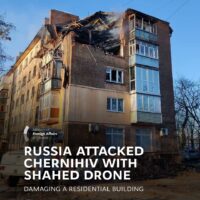
Ukraine’s southeastern city of Zaporizhia has come under a deadly assault, marking another devastating moment in the ongoing conflict gripping Ukraine. The Zaporizhia attack struck residential districts and critical urban infrastructure, leaving civilians injured, homes damaged, and communities grappling with fear and uncertainty. Emergency responders rushed to affected areas as explosions echoed across the city, underscoring the increasing dangers faced by urban populations.
Local authorities confirmed casualties and significant structural damage, while rescue operations continued for hours. The incident has renewed international concern over civilian safety and the humanitarian toll of sustained hostilities.
Timeline of the Deadly Strike
The Zaporizhia attack unfolded during early hours when many residents were at home. Multiple explosions were reported across different neighborhoods, followed by fires and power outages. Witnesses described intense shockwaves that shattered windows and damaged apartment blocks.
Sirens sounded as emergency services mobilized, urging residents to seek shelter. First responders arrived within minutes, navigating debris filled streets to reach those trapped inside damaged buildings. Officials later stated that the coordinated nature of the strike suggested deliberate targeting of urban zones.
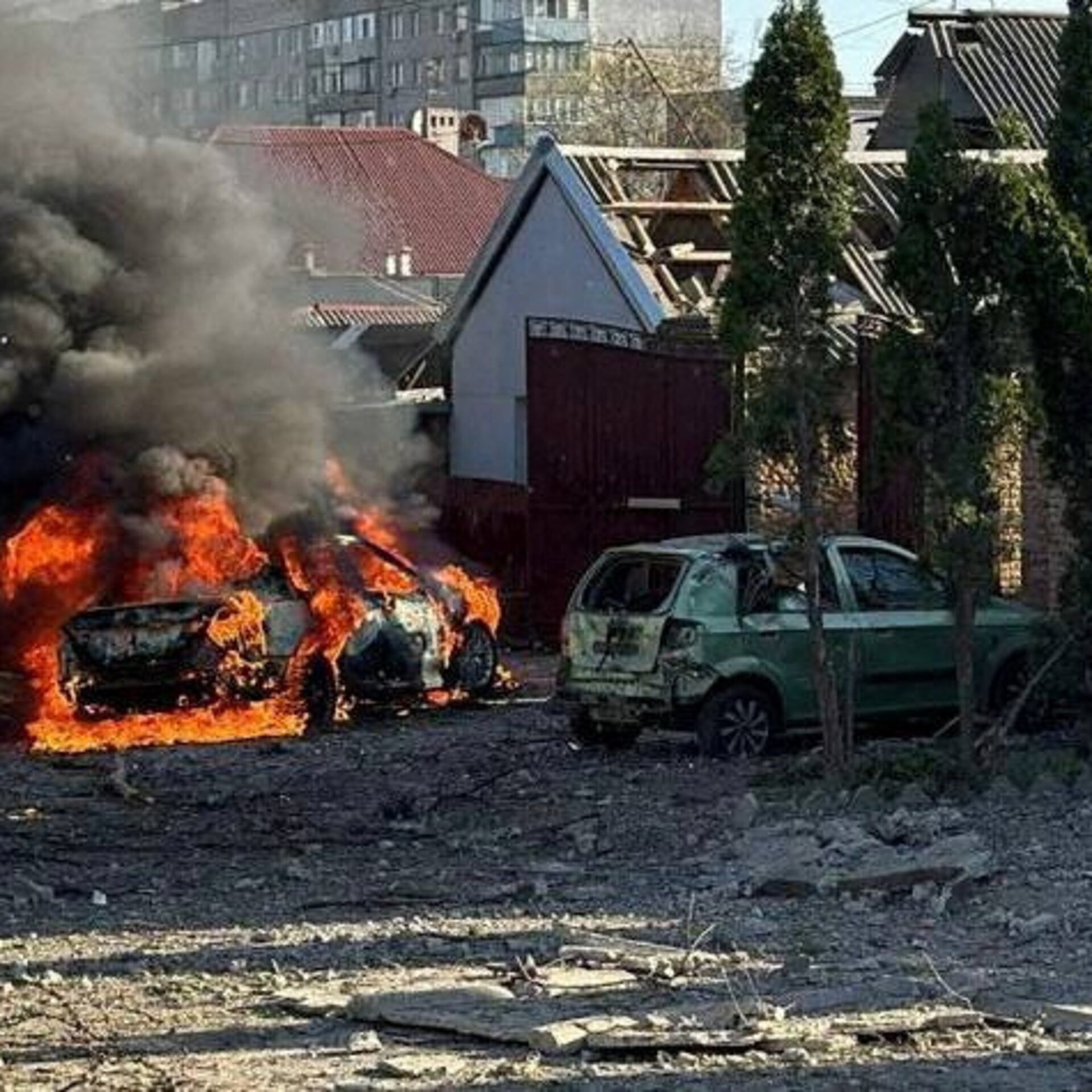
As daylight broke, the scale of destruction became clearer, with scorched buildings and debris scattered across streets.
Civilian Casualties and Human Cost
Civilians bore the brunt of the Zaporizhia attack, with families caught in the middle of escalating violence. Hospitals across the city activated emergency protocols to treat the injured, many suffering from blast related trauma, burns, and fractures.
Medical staff described overwhelming scenes as ambulances arrived continuously. Authorities warned that casualty figures could rise as search operations continued and more victims were located beneath rubble.
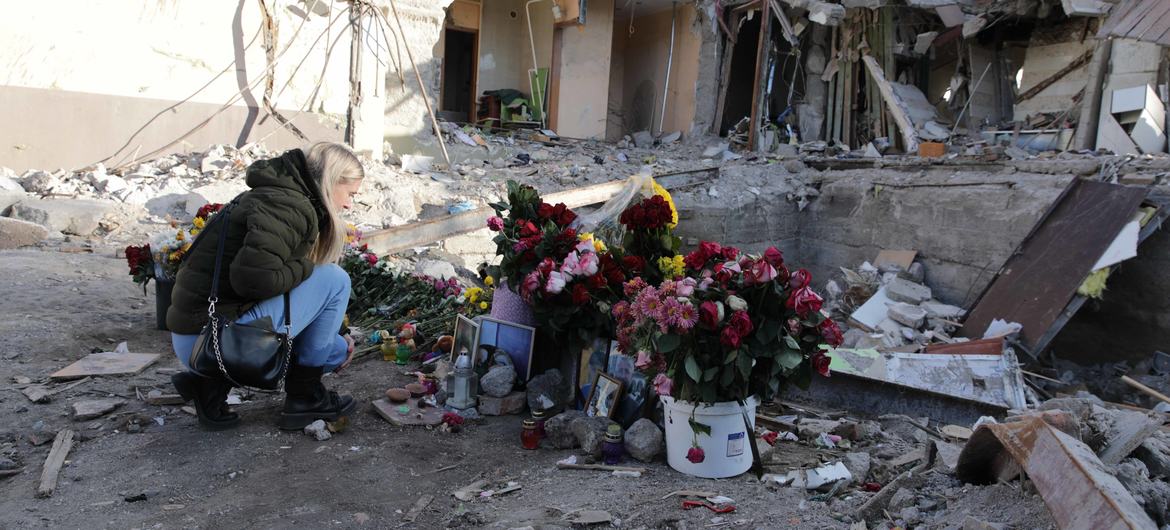
The human toll extends beyond physical injuries, as families mourn losses and communities struggle to process the trauma inflicted by the strike.
Damage to Homes and Urban Infrastructure
Residential buildings were heavily affected during the Zaporizhia attack, forcing evacuations and leaving hundreds without safe shelter. Entire sections of apartment complexes sustained structural damage, making them uninhabitable.
Infrastructure including roads, power lines, and water systems was disrupted, complicating rescue and recovery efforts. City officials reported temporary outages and urged residents to conserve resources while repairs were underway.
Urban planners and engineers began assessing which structures could be salvaged and which would require demolition, highlighting the long road to recovery ahead.
Emergency Response and Rescue Operations
Emergency services played a crucial role in limiting further loss of life after the Zaporizhia attack. Firefighters extinguished blazes, while rescue teams used heavy equipment to clear debris and locate survivors.
Volunteers joined official efforts, providing food, blankets, and assistance to displaced families. Authorities praised the coordination between emergency responders and civilians, noting that swift action prevented even greater tragedy.
Despite these efforts, responders acknowledged the emotional strain of working amid devastation, emphasizing the need for continued support.
Security Situation and Ongoing Risks
Following the Zaporizhia attack, local authorities warned that the security situation remains volatile. Residents were urged to follow air raid alerts and avoid damaged areas as the risk of further strikes persists.
Security analysts note that Zaporizhia’s strategic position makes it vulnerable during periods of escalation. The city sits near key transportation corridors and industrial facilities, increasing its exposure during conflict surges.
Officials continue to review defensive measures while reinforcing emergency preparedness across the region.
Humanitarian Impact and Displacement
The humanitarian impact of the Zaporizhia attack has been severe. Families displaced by the destruction are seeking temporary shelter, while aid organizations mobilize to provide essential supplies.
Relief groups are coordinating with local officials to distribute food, medical aid, and psychological support. The influx of displaced residents adds pressure to already strained social services.
Humanitarian workers stress that sustained assistance will be needed as communities rebuild and cope with long term consequences.
Psychological Trauma and Community Resilience
Beyond visible damage, the Zaporizhia attack has inflicted deep psychological wounds. Residents describe persistent fear, sleeplessness, and anxiety, particularly among children and the elderly.
Mental health professionals warn that repeated exposure to violence can have lasting effects. Community centers and support networks are expanding counseling services to address trauma and promote healing.
Despite the hardship, local leaders highlight resilience and solidarity as neighbors support one another during recovery.
International Reaction and Global Concern
The Zaporizhia attack has drawn international attention, with global organizations monitoring developments closely. Statements expressing concern over civilian casualties and infrastructure damage have underscored the broader implications of the strike.
Observers emphasize the importance of protecting noncombatants and maintaining humanitarian corridors. The incident adds urgency to diplomatic discussions surrounding the conflict’s trajectory.
International monitoring groups continue to assess damage and humanitarian needs as information emerges.
Why the Zaporizhia Attack Matters
The Zaporizhia attack is significant not only for its immediate devastation but for what it represents in modern warfare. Urban centers have increasingly become battlegrounds, placing civilians at heightened risk.
The strike highlights challenges in safeguarding population centers and reinforces calls for stronger protections for noncombatants. It also underscores the growing humanitarian crisis facing Ukraine as conflict endures.
For residents of Zaporizhia, the attack serves as a stark reminder of the fragility of everyday life amid war.
Economic and Social Consequences
The economic impact of the Zaporizhia attack is already being felt. Damaged businesses, disrupted transportation, and lost productivity compound the human cost.
Local economies struggle as residents focus on survival and recovery rather than commerce. Rebuilding efforts will require significant resources and long term planning to restore normalcy.
Social cohesion is tested as communities adapt to displacement and uncertainty, making recovery a complex process.

Rebuilding and Recovery Efforts
Authorities have pledged support for reconstruction following the Zaporizhia attack, prioritizing housing, utilities, and public services. Engineers and planners are assessing damage to develop phased rebuilding strategies.
Community organizations are advocating for inclusive recovery efforts that address both physical reconstruction and mental health support.
Rebuilding Zaporizhia will take time, coordination, and sustained commitment from local and international partners.
Looking Ahead
As cleanup continues, residents remain cautious but determined. The Zaporizhia attack has left lasting scars, yet it has also highlighted the resilience of the city’s people.
Officials stress the importance of preparedness and solidarity as uncertainty persists. The coming weeks will be critical in shaping both recovery and future security measures.
Zaporizhia’s experience reflects the broader challenges faced by communities across Ukraine.
Ukraine’s Zaporizhia coming under a deadly assault underscores the profound human and social cost of ongoing conflict. The Zaporizhia attack resulted in civilian casualties, widespread destruction, and deep psychological trauma, while emergency responders and volunteers worked tirelessly to save lives.
As the city moves forward, attention remains focused on humanitarian needs, reconstruction, and the safety of civilians. Zaporizhia stands as a powerful reminder of the urgent need to protect urban populations and support communities caught in the crossfire.