CARACAS, Venezuela, February 8, 2026 — Brussels Morning Newspaper
Venezuela entered a decisive political moment in 2026 as mounting distrust, internal desertions and the disappearance of state incentives reshaped public loyalty to the governing movement, accelerating what analysts describe as the Venezuela Socialist Party Crisis. From Caracas to provincial strongholds once considered politically secure, the erosion of grassroots confidence is redefining power dynamics at a critical juncture for the country.
The shift comes amid leadership uncertainty, prolonged economic hardship and growing skepticism among citizens who previously depended on the ruling party’s social and financial support mechanisms.
A Political Structure Under Visible Strain
For nearly two decades, Venezuela’s socialist movement maintained authority through a combination of ideological loyalty, institutional dominance and community-level mobilization. In early 2026, however, those pillars began to show visible cracks as party organizers acknowledged declining participation and muted enthusiasm at local events.
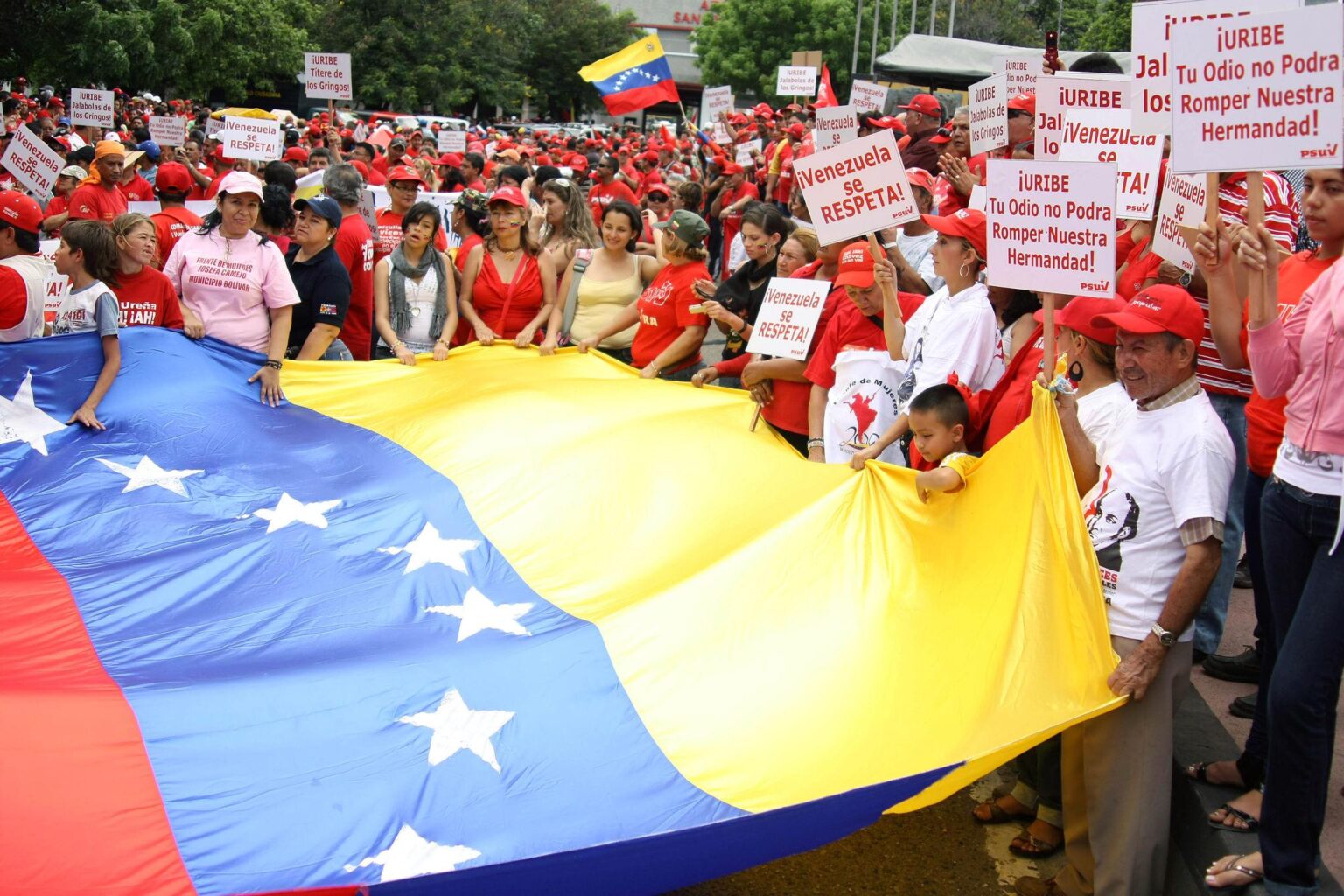
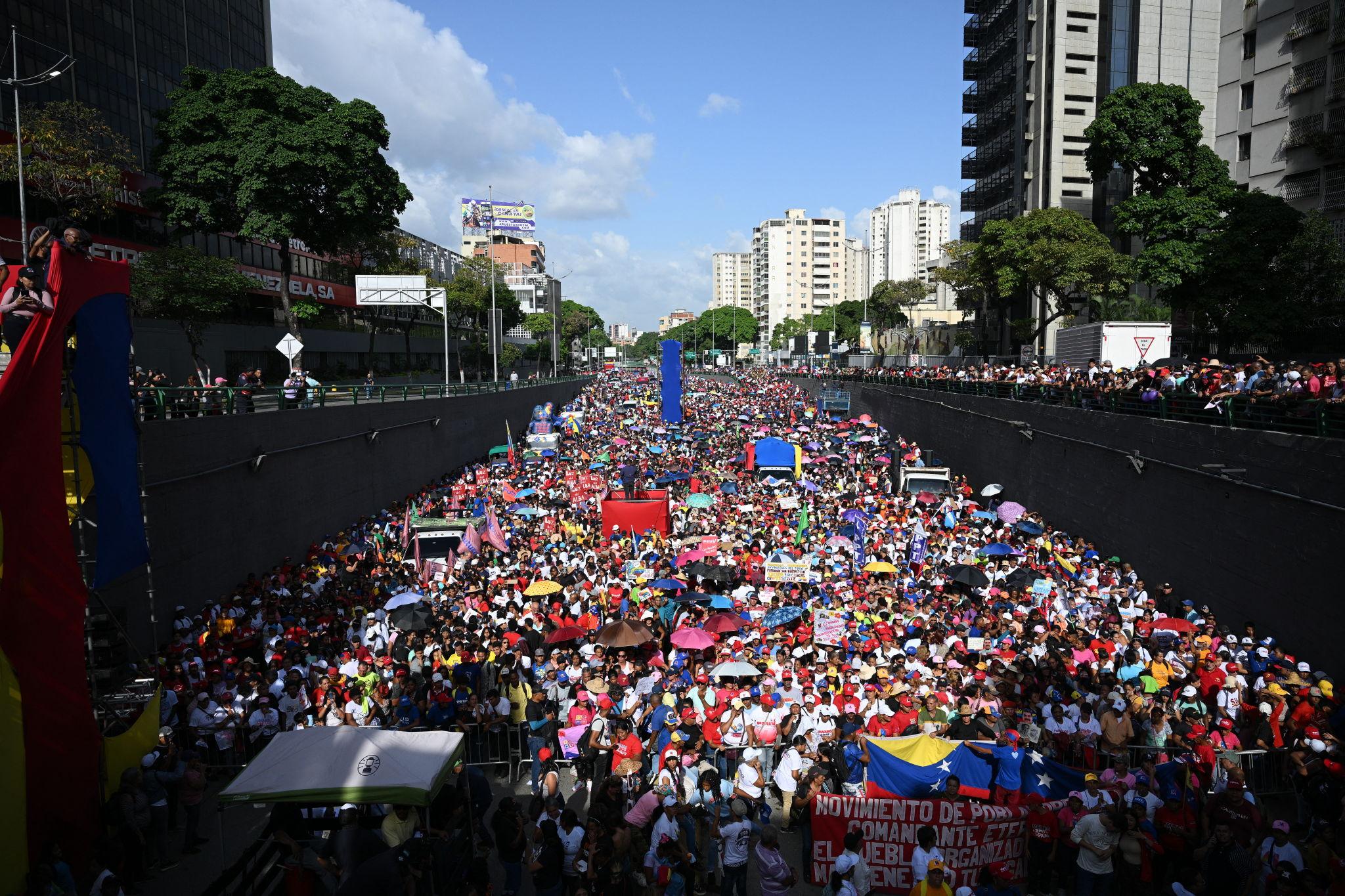
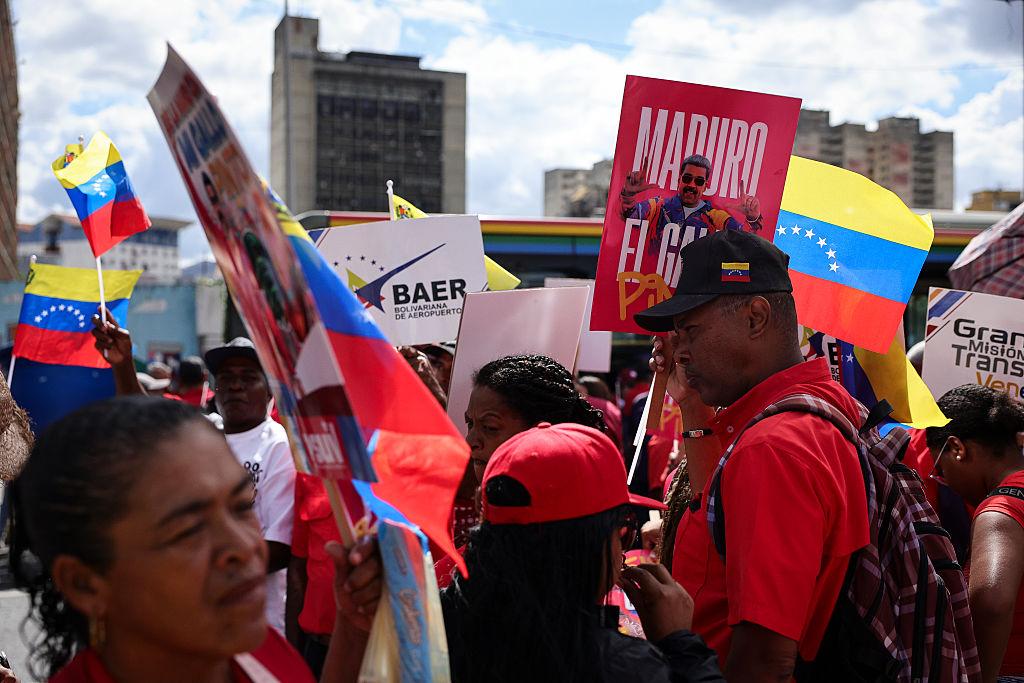
Officials privately concede that mobilization efforts no longer yield predictable results. Attendance at rallies has thinned, neighborhood organizers struggle to recruit volunteers, and internal assessments reveal hesitancy among members once regarded as dependable.
This evolving dynamic has become a defining feature of the Venezuela Socialist Party Crisis, altering how political influence is exercised on the ground.

Economic Pressure and the Erosion of Incentives
A central factor behind the weakening political grip has been the steady decline of financial incentives historically tied to party participation. Monthly bonuses, food distributions and social stipends — once a stabilizing force — have either diminished or vanished altogether.
For many households, these benefits were not symbolic but essential. Their absence has fueled frustration and quietly shifted priorities away from political engagement toward basic survival.
One longtime community organizer in western Caracas summarized the mood bluntly:
“People no longer ask which party you support. They ask whether you can help them eat.”
The breakdown of incentive-based loyalty has intensified the Venezuela Socialist Party Crisis, particularly in lower-income districts.
Desertions Signal a Broader Realignment
Beyond passive disengagement, the ruling movement is also confronting active desertions. Local leaders in several states report that former activists have stepped away entirely, citing fear, exhaustion or disillusionment.
These departures carry outsized consequences. Deserting members often take with them local knowledge, trust networks and organizational capacity — assets that cannot be quickly replaced.
Political scientists note that when desertions occur quietly but consistently, they often signal a deeper ideological realignment rather than a temporary setback. That pattern is increasingly evident as the Venezuela Socialist Party Crisis unfolds.
Leadership Challenges and Internal Doubt
Leadership uncertainty has further complicated the party’s efforts to stabilize its base. With long-standing power structures disrupted and decision-making centralized under interim arrangements, competing factions have emerged behind closed doors.
Public messaging emphasizes continuity and resilience, but internal debates reflect anxiety over legitimacy, succession and strategy. Some officials argue for renewed ideological discipline, while others quietly advocate pragmatic reforms to regain public trust.
A senior party figure, speaking anonymously, acknowledged the difficulty of the moment:
“We are trying to hold a structure together while the ground beneath it is moving.”
Street-Level Sentiment in Caracas and Beyond
On the streets of Caracas, political conversation has shifted in tone. Where party slogans once dominated public space, silence or cautious neutrality now prevails. Residents describe a climate where political identity feels increasingly transactional rather than ideological.
In provincial cities, the change is even more pronounced. Regions once considered political strongholds now show signs of disengagement, with fewer posters, smaller gatherings and limited volunteer activity.
This widespread shift in public mood underscores the national scope of the Venezuela Socialist Party Crisis, extending far beyond elite political circles.
Security Groups and Declining Visibility
Groups historically aligned with enforcing party presence in neighborhoods have also reduced their visibility amid the Venezuela Socialist Party Crisis. Analysts say this shift is not the result of formal disbandment, but rather declining motivation and shrinking material support.
Without steady funding or clear leadership direction, these groups have stepped back from routine political activity. Their retreat has further weakened informal control structures, adding to a more fluid and increasingly unpredictable political landscape.
The Opposition Watches Closely
Opposition movements have responded cautiously to the ruling party’s difficulties. While some leaders frame the moment as an opportunity for democratic renewal, others warn that institutional dominance remains firmly in place.
Rather than aggressive mobilization, opposition figures appear focused on consolidating credibility and preparing for future electoral scenarios. The prevailing view is that lasting change will depend not on confrontation, but on sustained public disengagement from the ruling movement.
This strategic patience reflects recognition of the depth and complexity of the Venezuela Socialist Party Crisis.
International Attention and Regional Implications
Outside Venezuela, regional governments and international observers are monitoring developments closely. Stability in Caracas remains a concern given the country’s economic ties and migration impact across Latin America.
Diplomatic statements emphasize continuity and dialogue, but analysts note that prolonged internal erosion could eventually affect regional cooperation, energy markets and cross-border security.
The unfolding Venezuela Socialist Party Crisis is increasingly viewed not only as a domestic issue, but as a regional variable with broader consequences.
How the Socialist Movement Consolidated Power
The roots of today’s political moment trace back to the early 2000s, when Venezuela’s socialist movement rose to prominence by combining populist rhetoric with expansive social programs. Bolstered by high oil revenues, the government invested heavily in welfare initiatives that forged strong emotional and material bonds with millions of citizens.
Over time, these programs became intertwined with political participation, creating a system where loyalty was reinforced through access to resources. For years, that model delivered electoral dominance and organizational discipline.
The current Venezuela Socialist Party Crisis marks the first sustained challenge to that structure, driven by economic contraction and shifting public expectations rather than electoral defeat.
Media Environment and Public Perception
State-aligned media outlets continue to project confidence, highlighting infrastructure projects and diplomatic engagement. Independent journalists, however, describe a widening gap between official narratives and lived experience.
On social media, discussions are more subdued than confrontational. Users often express fatigue rather than anger, a sentiment experts describe as more dangerous for long-term political survival than open opposition.
This quiet disengagement has become a defining feature of the Venezuela Socialist Party Crisis, complicating efforts to reignite enthusiasm.
Economic Realities Shape Political Choices
Economic pressure continues to shape political behavior across the country, with inflation, underemployment and limited access to basic services reshaping how citizens judge political promises amid the Venezuela Socialist Party Crisis.
Rather than aligning along ideological lines, many voters now prioritize immediate economic relief, stability and predictability. This shift has weakened traditional mobilization strategies and is forcing political actors to respond to a more pragmatic and less partisan electorate.
As one Caracas shopkeeper put it:
“Politics used to feel personal. Now it feels optional.”
Institutional Control Versus Popular Support
Despite declining enthusiasm, the ruling party retains firm control over major institutions, including the legislature and key administrative bodies. This institutional strength provides short-term stability but does not address underlying legitimacy concerns.
Analysts warn that prolonged reliance on institutional dominance without renewed public engagement risks deepening the Venezuela Socialist Party Crisis, potentially making future transitions more abrupt and less predictable.
A Nation in a Transitional Pause
Rather than a dramatic rupture, Venezuela appears to be entering a period of transition, where long-standing loyalties are gradually eroding before new political alignments take shape. Momentum has not disappeared, but has spread thinly across society, reflecting the uncertainty surrounding the Venezuela Socialist Party Crisis.
This transitional pause carries both risk and opportunity. For the governing movement, it opens a narrow window to rebuild trust through meaningful reform. For wider society, it creates space to reconsider political participation beyond systems shaped by dependency, pressure, or fear.
What Comes Next for Venezuela
The trajectory of Venezuela’s political future will depend on whether leaders can acknowledge shifting realities and respond with transparency and inclusion. Rebuilding credibility will require more than rhetoric; it will demand tangible improvements in daily life.
The Venezuela Socialist Party Crisis is not merely a test of governance, but a reflection of a society reassessing its relationship with power, ideology and survival.
As 2026 unfolds, Venezuela stands at a quiet crossroads, one defined less by protest or celebration, and more by uncertainty, reflection and cautious expectation.