
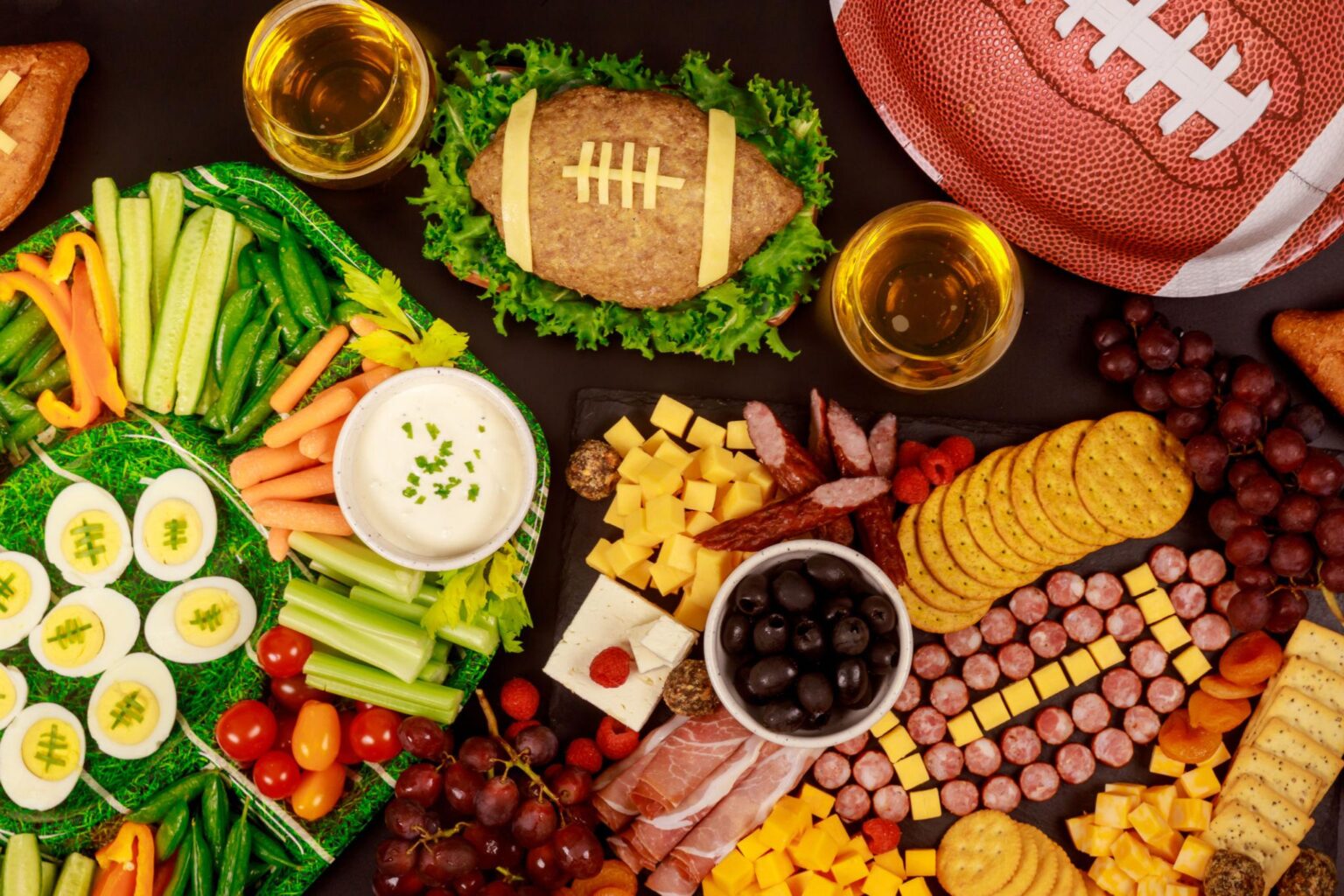
United States, February 8, 2026 — As Americans prepare for Super Bowl Sunday, food traditions surrounding the event are undergoing a notable change. According to Brussels Morning Newspaper, the Super Bowl salad trend is emerging as a defining feature of game day gatherings across the country, reflecting broader shifts in consumer behavior, wellness awareness, and food industry strategy.
Once dominated almost exclusively by fried snacks and heavy comfort foods, Super Bowl menus are now expanding to include lighter and fresher options. This evolution is drawing attention from retailers, manufacturers, and marketing analysts who see the shift as more than a passing preference.
Health Awareness Shapes Modern Super Bowl Choices
The growing visibility of the Super Bowl salad trend aligns with long term changes in how Americans think about food. Over the past decade, health awareness has steadily influenced everyday eating habits, and that influence is now reaching even the most indulgent occasions.
Consumers are increasingly seeking balance rather than extremes. For many households, this means incorporating vegetables, lean proteins, and customizable dishes alongside traditional favorites. Salads that feature bold flavors, substantial toppings, and shareable portions have become especially appealing.
Food analysts note that this approach allows fans to participate fully in the celebration without abandoning personal dietary priorities.

Food Companies Adjust Ahead of the Big Game
Major food producers are responding directly to the Super Bowl salad trend, modifying product lines and seasonal promotions in the weeks leading up to the event. Prepackaged salad kits designed for group settings are becoming more common, often featuring ingredients associated with popular game day flavors.
Retailers report increased collaboration with suppliers to ensure consistent availability of fresh produce and prepared salad options. These adjustments signal a recognition that salads are no longer a niche offering during major sporting events.
One food industry executive explained the change in approach:
“Consumers are redefining what celebration food looks like, and companies have to meet them where they are.”
Retail Data Reflects Changing Demand
Sales patterns across grocery chains support the momentum behind the Super Bowl salad trend. In the final days before the game, purchases of fresh greens, salad toppings, and ready to serve kits tend to rise alongside traditional snack items.
Retailers are increasingly positioning salads in high visibility areas rather than isolating them in produce sections. This placement strategy reinforces the idea that salads are now part of the core Super Bowl spread.
Industry observers say this shift also helps normalize healthier options without framing them as alternatives or compromises.
Game Day Hosting Evolves With Consumer Preferences
The structure of Super Bowl gatherings has changed in recent years, contributing to the rise of the Super Bowl salad trend. Smaller home based watch parties and family oriented events encourage more thoughtful menu planning.
Hosts are opting for variety over excess, offering a mix of indulgent and lighter dishes. Large format salads that can be customized at the table fit well into this model, allowing guests to serve themselves according to preference.
This flexibility has made salads a practical and socially inclusive choice for modern hosts.
Marketing Strategies Reflect Broader Cultural Shifts
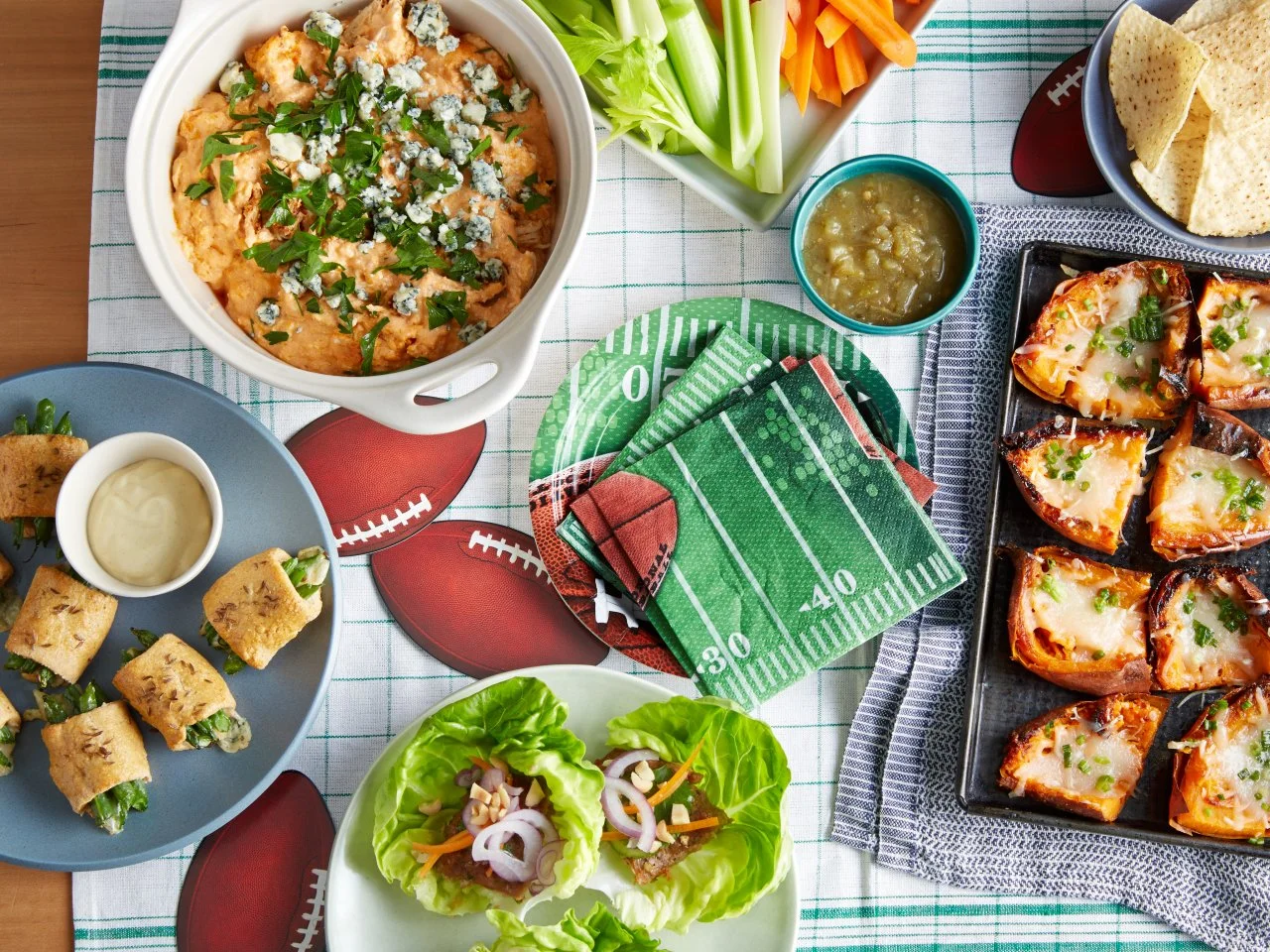
Advertising campaigns tied to the Super Bowl increasingly highlight freshness, customization, and shared experiences. The Super Bowl salad trend has prompted brands to rethink how they present healthier food options in a celebratory context.
Rather than emphasizing restriction or guilt, marketing now focuses on flavor, texture, and enjoyment. Salads are shown alongside classic game day foods, reinforcing coexistence rather than replacement.
This shift in tone reflects a broader cultural move toward balance and choice.
How Game Day Menus Have Changed Over Time
For much of the Super Bowl’s history, food associated with the event centered on convenience and indulgence. Early television era gatherings favored items that were easy to prepare in large quantities and required minimal attention.
The introduction of frozen foods, delivery services, and packaged snacks in the late twentieth century further solidified this pattern. Only in recent years has wellness culture begun to influence these traditions, paving the way for developments like the Super Bowl salad trend.
This evolution mirrors broader changes in American eating habits and household priorities.
Younger Consumers Drive Long Term Change
Demographic shifts are also shaping the future of Super Bowl food culture. Younger consumers tend to value transparency, ingredient quality, and flexibility in their food choices.
Surveys suggest these preferences are influencing household purchasing decisions, even during high profile events. The Super Bowl salad trend resonates strongly with this group, which views salads as adaptable rather than restrictive.
As these consumers gain greater influence, industry experts expect the trend to continue evolving.
Food Industry Analysts Watch Long Term Impact
The Super Bowl salad trend is being closely monitored as a potential indicator of broader market direction. Analysts see it as a case study in how legacy food traditions adapt under shifting consumer expectations.
Manufacturers that successfully integrate fresh options into seasonal offerings may gain a competitive advantage. Retailers that anticipate demand changes are better positioned to capture evolving purchasing behavior.
The outcome of this Super Bowl season is likely to inform planning for future major events.
Balance Replaces Excess in Celebration Culture
Cultural attitudes toward celebration have shifted noticeably in recent years. Rather than viewing special occasions as exceptions to routine, many consumers now seek continuity between everyday habits and festive moments.
The Super Bowl salad trend reflects this mindset. Fans are not rejecting familiar favorites but expanding the menu to include foods that align with long term wellness goals.
This approach suggests a redefinition of indulgence itself.
Supply Chains Adapt to Seasonal Demand
Behind the scenes, suppliers are adjusting logistics to support the Super Bowl salad trend. Increased demand for fresh produce during winter months requires careful coordination across sourcing, transportation, and storage.
Industry sources note that consistent availability and quality are essential to maintaining consumer trust during high demand periods. These operational shifts highlight how even small menu changes can have wide ranging effects.
Media Attention Reflects Broader Interest
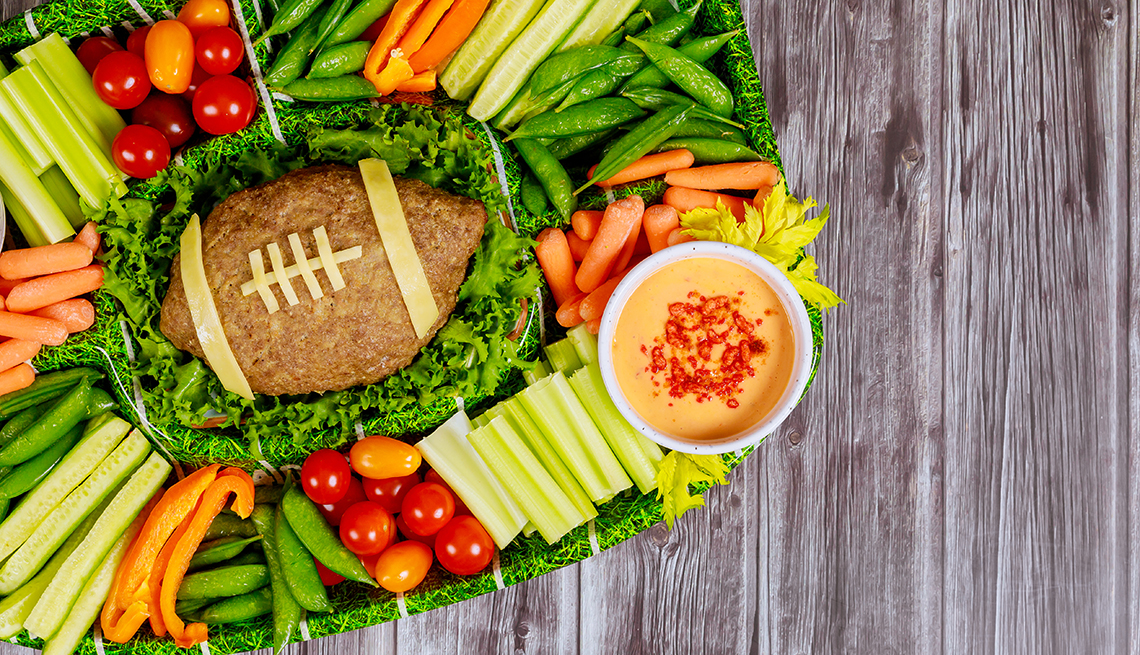
Coverage of Super Bowl food culture has expanded beyond recipes and party tips. The Super Bowl salad trend has become part of a larger conversation about health, identity, and consumer choice.
News outlets increasingly frame the topic within economic and cultural contexts, emphasizing its relevance beyond the kitchen. This broader lens supports its inclusion in general news coverage.
Economic Signals for the Food Sector
From an economic perspective, the Super Bowl salad trend offers insight into changing demand patterns. Investment in fresh food innovation, packaging, and marketing suggests confidence in sustained consumer interest.
While traditional snack categories remain strong, diversification appears to be a growing priority across the industry.
The Role of Choice in Modern Celebrations
Ultimately, the Super Bowl salad trend underscores the importance of choice in contemporary celebrations. Modern consumers expect options that reflect diverse tastes, values, and lifestyles.
By offering a wider range of foods, hosts and brands alike can accommodate these expectations without sacrificing the spirit of the event.
Looking Ahead to Future Super Bowls
As preparations continue for upcoming Super Bowls, industry experts anticipate further experimentation with menu offerings. The Super Bowl salad trend is likely to evolve in form, flavor, and presentation, but its underlying drivers appear durable.
Future game day spreads may look different from those of the past, but they will continue to reflect the values of the people gathering around them.
A New Chapter in Game Day Food Culture
The evolving Super Bowl menu reflects broader changes in how Americans approach food during major events. Health awareness, flexibility, and choice are increasingly shaping even long standing traditions. Rather than replacing familiar favorites, newer options are expanding the range of what appears on game day tables.
Food companies and retailers are adapting to these expectations in real time. As consumer preferences continue to shift, Super Bowl food culture is likely to keep evolving in step with modern lifestyles.