
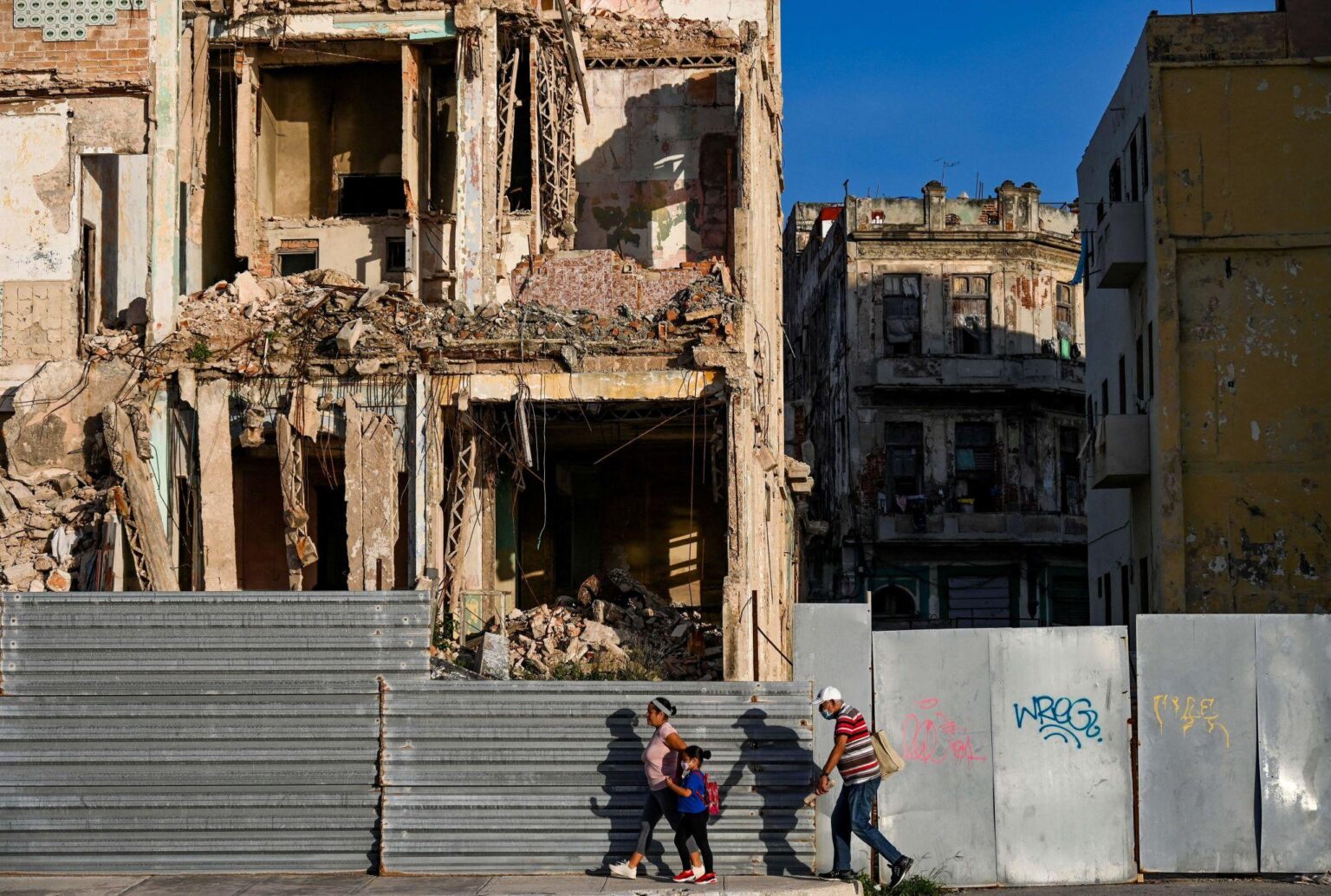
Havana, Cuba, February 8, 2026, Brussels Morning Newspaper: The Cuba earthquake 2026 unfolded in the early hours of February 2026, sending strong tremors through Havana and several southern regions, briefly interrupting daily life across the island. According to seismological monitoring centers, the earthquake struck offshore near the southern fault zone of Cuba, an area long associated with tectonic activity in the Caribbean. Residents were awakened by shaking buildings, rattling windows, and swaying household items, prompting many to move outdoors as a precaution while authorities activated nationwide safety protocols.
Although the quake was classified as moderate, its shallow depth allowed vibrations to travel widely. Emergency services responded within minutes, inspecting critical infrastructure and communicating safety guidance to the public through national channels.
Seismic timing and geographic context
The earthquake occurred shortly before dawn, a time when most residents were indoors. Seismic experts noted that early morning earthquakes often feel more alarming due to reduced ambient noise and heightened sensitivity during rest hours.
Geographically, the epicenter lay near a tectonic boundary where stress periodically builds and releases. Events like the Cuba earthquake 2026 illustrate how offshore seismic activity can still produce significant onshore effects, especially in coastal and urban areas.

How the shaking was felt across communities
In Havana, residents described brief but noticeable ground movement, with light fixtures swaying and small objects falling from shelves. In southern provinces, the shaking felt stronger, lasting several seconds and accompanied by a low rumble.
Despite the surprise, widespread panic was avoided. Years of public education have helped communities understand appropriate responses during earthquakes. The calm reaction observed during the Cuba earthquake 2026 reflected growing public awareness and preparedness.
Immediate emergency response measures
Civil defense authorities placed emergency teams on standby immediately after seismic confirmation. Inspection units were dispatched to hospitals, schools, transport hubs, and government buildings to assess structural integrity.
Communication systems functioned efficiently, ensuring consistent updates reached the public. This coordinated response demonstrated how planning and drills reduce confusion when the Cuba earthquake 2026 disrupts normal routines.
Infrastructure inspections and early observations
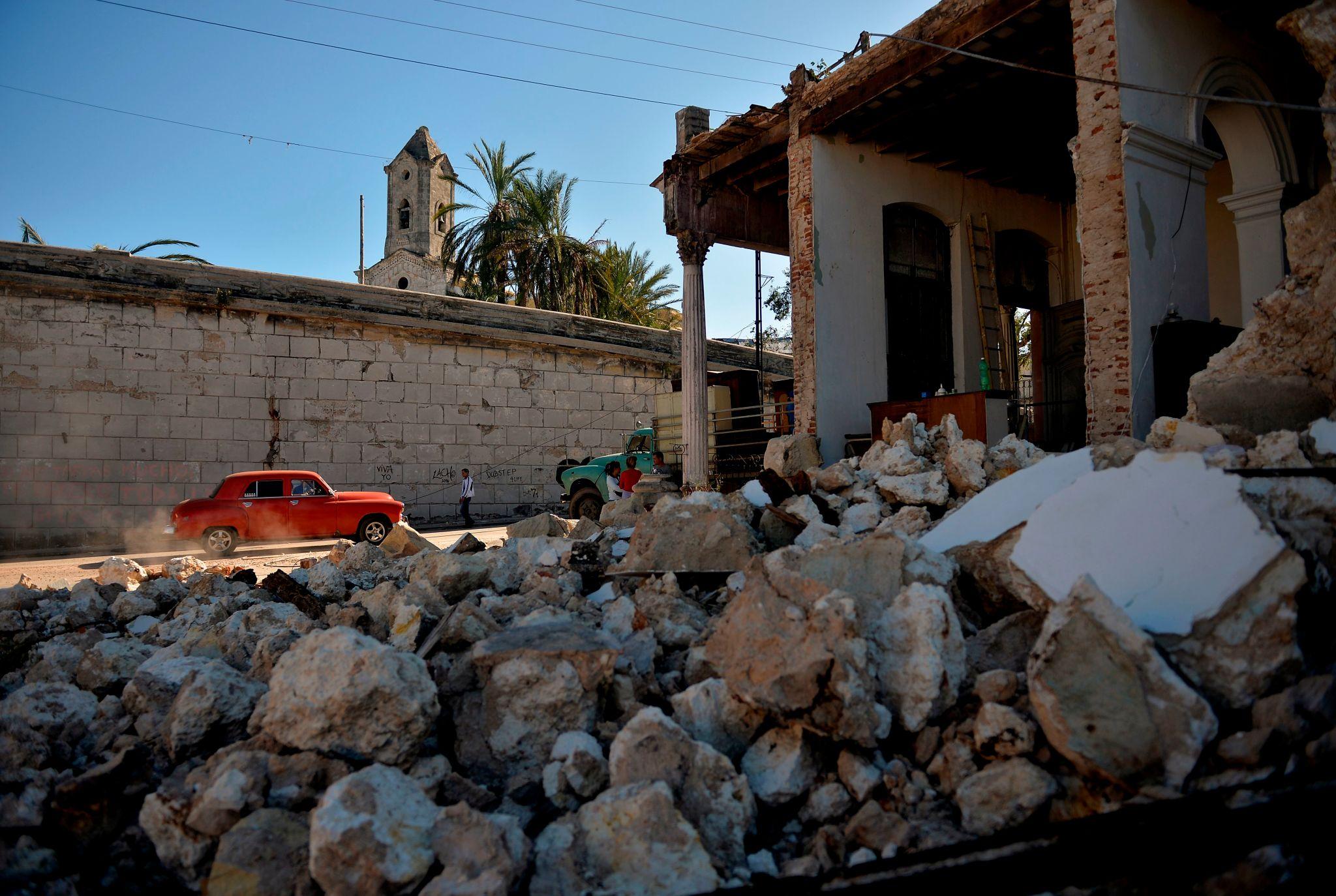
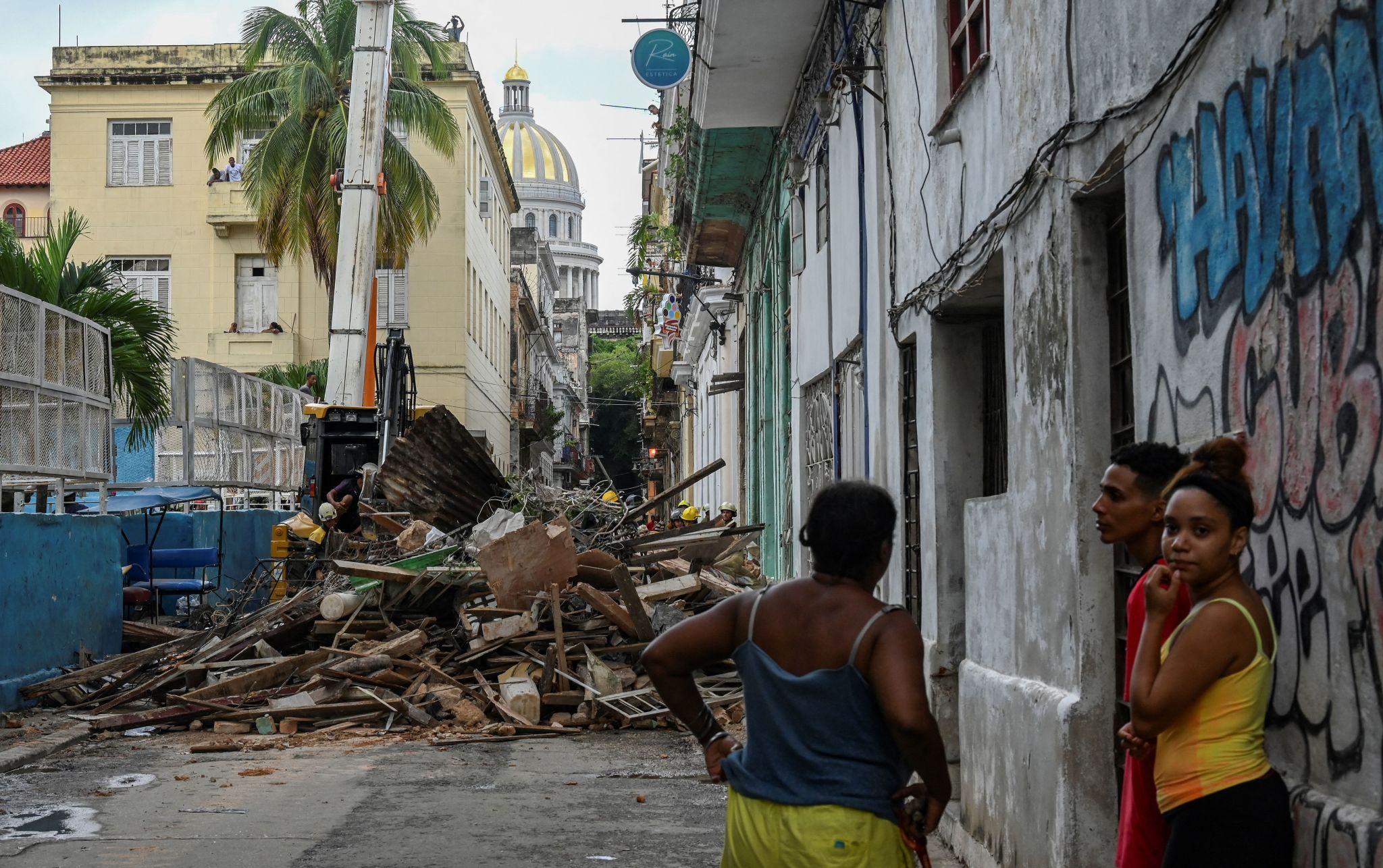
Engineers conducting rapid assessments identified minor cracks in some older residential structures, particularly in districts with aging construction. Modern buildings built under updated codes showed minimal impact.
Bridges, tunnels, and public transport systems were cleared for use following precautionary checks. The limited damage following the Cuba earthquake 2026 highlighted the benefits of ongoing infrastructure upgrades.
Health services and public wellbeing
Hospitals across affected regions confirmed they remained fully operational. Medical teams treated a small number of residents for stress related symptoms and minor injuries sustained during evacuations.
Health officials emphasized that maintaining calm significantly reduces injury risk during earthquakes. The experience of the Cuba earthquake 2026 reinforced the importance of psychological readiness alongside physical safety.
Public communication and official guidance
Authorities issued regular updates via television, radio, and digital platforms, advising residents to avoid visibly damaged structures and remain alert for possible aftershocks.
A senior civil defense official said,
“Preparedness and clear communication are the foundations of public safety during seismic events.”
This message shaped the public response following the Cuba earthquake 2026.
Transportation and mobility status
Transport authorities confirmed that airports, ports, and major roadways remained operational. Public transport services resumed normal schedules after safety inspections were completed.
Maintaining mobility is critical in the aftermath of seismic events. The swift normalization of transport following the Cuba earthquake 2026 helped limit economic and social disruption.
Economic activity and daily life
Commercial activity resumed quickly in most areas. Markets, offices, and public services reopened once engineers confirmed safety conditions.
Schools in some districts briefly delayed classes to complete inspections. The rapid return to routine demonstrated institutional resilience during the Cuba earthquake 2026.
Tourism sector reassurance
Tourism authorities communicated directly with hotels and resorts, confirming that facilities met safety standards and sustained no significant damage. Visitors were briefed on safety procedures to prevent misinformation.
Clear messaging proved essential, as international perception can be sensitive after natural events. Transparency during the Cuba earthquake 2026 helped maintain traveler confidence.
Caribbean seismic environment
The Caribbean region sits atop a complex network of tectonic plates that generate frequent seismic activity. Cuba’s southern coastline lies near an active fault system where stress accumulation is common.
Neighboring islands reported mild tremors without damage. Regional data sharing supports preparedness when events like the Cuba earthquake 2026 occur, strengthening collective response capacity.
Aftershock monitoring and scientific outlook
Seismologists cautioned that minor aftershocks could follow in the days after the main quake. Monitoring stations remained on heightened alert to detect any changes.
Experts explained that aftershocks typically decrease in frequency and intensity over time. Analysis of the Cuba earthquake 2026 will contribute to improved understanding of local fault behavior.
Public preparedness and safety education
Authorities reiterated standard safety guidance, including securing heavy furniture, identifying safe indoor locations, and maintaining emergency kits.
Community groups assisted elderly residents and those with mobility challenges. Collective action plays a vital role in reducing risk during events such as the Cuba earthquake 2026.
Cuba’s Seismic Past and Earthquake Legacy
Cuba has experienced earthquakes throughout its recorded history, particularly along its southern fault zones. While most have been moderate, historical records show that seismic events have periodically influenced settlement patterns and construction practices.
Studying past earthquakes provides context for present day preparedness. Lessons from history inform strategies that reduce impact when modern events occur.
Scientific research and data collection
The earthquake generated valuable datasets, including seismic waveforms and depth measurements. Researchers are analyzing this information to refine hazard maps and forecasting models.
Each dataset strengthens scientific understanding, ensuring that knowledge gained from the Cuba earthquake 2026 improves future risk mitigation.
Urban planning and resilience strategies
Urban planners emphasized the importance of retrofitting older buildings and enforcing seismic construction standards. Resilient design minimizes damage and speeds recovery.
The limited structural impact observed after the Cuba earthquake 2026 underscored the value of sustained investment in safer infrastructure.
Community resilience and social cohesion
Neighborhood organizations played a role in checking on vulnerable residents and sharing verified information. Social cohesion enhances recovery speed following natural disturbances.
Education programs and drills continue to strengthen community readiness, ensuring effective responses during future seismic events.
International cooperation and monitoring
International seismic organizations shared technical expertise and analytical support following the quake. Cross border collaboration enhances monitoring accuracy and early warning capabilities.
The shared experience of the Cuba earthquake 2026 contributes to global knowledge on moderate magnitude earthquakes in coastal regions.
Media responsibility and verified information
Accurate, verified information helped prevent panic. Journalists prioritized confirmed data and expert analysis, avoiding speculation during the critical early hours.
Responsible coverage supports public understanding and reinforces trust during natural events.
Lessons from February 2026
The February earthquake demonstrated the effectiveness of preparedness, coordination, and resilient infrastructure. Limited damage and rapid recovery reflected years of planning.
Authorities emphasized that continued vigilance remains essential, as seismic risk cannot be eliminated entirely.
Looking forward with resilience
Future priorities include expanding monitoring networks, updating emergency plans, and strengthening public education initiatives. Continuous improvement remains central to long term safety.
Experiences like the Cuba earthquake 2026 remind communities that preparedness today shapes resilience tomorrow.
When the earth reminds
The February event served as a reminder of the natural forces beneath the Caribbean. While brief, the shaking reinforced the importance of awareness, planning, and cooperation.
As recovery efforts conclude, the lessons learned will guide future resilience strategies across the island.