Riyadh, Saudi Arabia, February 8, 2026 — From Riyadh in 2026, Brussels Morning Newspaper highlights a defining moment in Saudi Arabia’s long-term transport strategy as Talgo trains become central to the Kingdom’s push to expand high-speed rail amid a shifting global infrastructure landscape.
The development reflects changing priorities in mobility, sustainability, and international cooperation, with rail now positioned as a strategic pillar of national growth. Saudi Arabia’s latest move underscores how modern transport investment is strengthening economic resilience, improving regional connectivity, and supporting future-ready urban planning.
A Turning Point for National Transport Policy
Saudi Arabia’s transport landscape is undergoing one of the most significant transitions in its modern history. Once dominated by highways and domestic aviation, national planning now places rail at the heart of long-distance mobility. This shift reflects population growth, expanding urban centers, and rising demand for efficient, reliable travel options.
In Riyadh, policymakers describe the current phase as transformational rather than incremental. Rail infrastructure is being positioned not only as a transport solution but as a catalyst for economic integration, social connectivity, and environmental responsibility. The introduction of Talgo trains into this framework highlights a deliberate focus on performance, durability, and long-term value.

Why Rail Has Become a Strategic Priority
Saudi Arabia’s geography presents unique mobility challenges. Vast distances between cities, combined with extreme climate conditions, require transport systems that are both resilient and efficient. Rail has emerged as a solution capable of meeting these demands while supporting national sustainability goals.
Officials emphasize that modern rail systems offer predictability that other modes often lack. With Talgo trains expected to serve key domestic corridors, authorities aim to reduce travel times while ensuring consistent service quality. This approach supports economic activity by improving access between commercial, industrial, and cultural hubs.
European Expertise and Global Collaboration
Europe’s leadership in rail engineering has shaped transport systems worldwide. Spain, in particular, has built an international reputation for adaptable high-speed rail technology designed for diverse operating environments.
Saudi Arabia’s collaboration with Spanish manufacturers reflects confidence in European standards and a commitment to international partnership. Talgo trains are known for lightweight construction, advanced suspension systems, and reduced track wear—features that align well with the Kingdom’s operational requirements.
A senior infrastructure adviser involved in the planning process said,
“This cooperation demonstrates how global engineering expertise can be aligned with regional priorities to deliver lasting impact.”
Economic Impact Beyond Mobility
Major rail investments generate ripple effects across the economy. Construction, operations, maintenance, and training programs contribute to job creation and skills development. These benefits extend well beyond the transport sector itself.
The integration of Talgo trains into Saudi Arabia’s rail network is expected to support knowledge transfer and technical specialization. Over time, this may help develop domestic capabilities while maintaining strong international partnerships.
Passenger Experience in a Modern Rail Era
Today’s rail passengers expect comfort, reliability, and connectivity. Seating design, climate control, noise reduction, and digital services now define competitive rail offerings.
Talgo trains have been configured with these expectations in mind. Spacious interiors, advanced climate systems, and real-time passenger information are intended to make rail travel both practical and appealing. Transport authorities believe this focus on experience will encourage travelers to shift from private vehicles and short-haul flights.
Sustainability and Environmental Goals
Environmental considerations play an increasingly important role in transport planning. Rail systems typically produce lower emissions per passenger kilometer compared to road and air travel, making them a key component of climate-conscious mobility strategies.
Lightweight design and aerodynamic efficiency enable Talgo trains to operate with reduced energy consumption. By expanding rail usage, Saudi Arabia aims to lower fuel demand while supporting national emissions targets.
An environmental policy analyst noted,
“Rail investment offers one of the most balanced solutions for meeting mobility needs without compromising environmental responsibility.”
Regional Influence Across the Middle East
Saudi Arabia’s rail initiatives are closely watched across the Middle East, where many countries face similar challenges of urbanization, population growth, and sustainability pressures.
The deployment of Talgo trains could influence procurement decisions throughout the region, particularly for nations seeking proven technology capable of operating in hot and arid climates. Analysts suggest that Saudi Arabia’s approach may set new benchmarks for future high-speed rail projects.
Technology Integration and Safety Standards
Introducing new rolling stock requires careful alignment with signaling systems, track specifications, and operational protocols. Authorities have emphasized that safety remains a top priority throughout implementation.
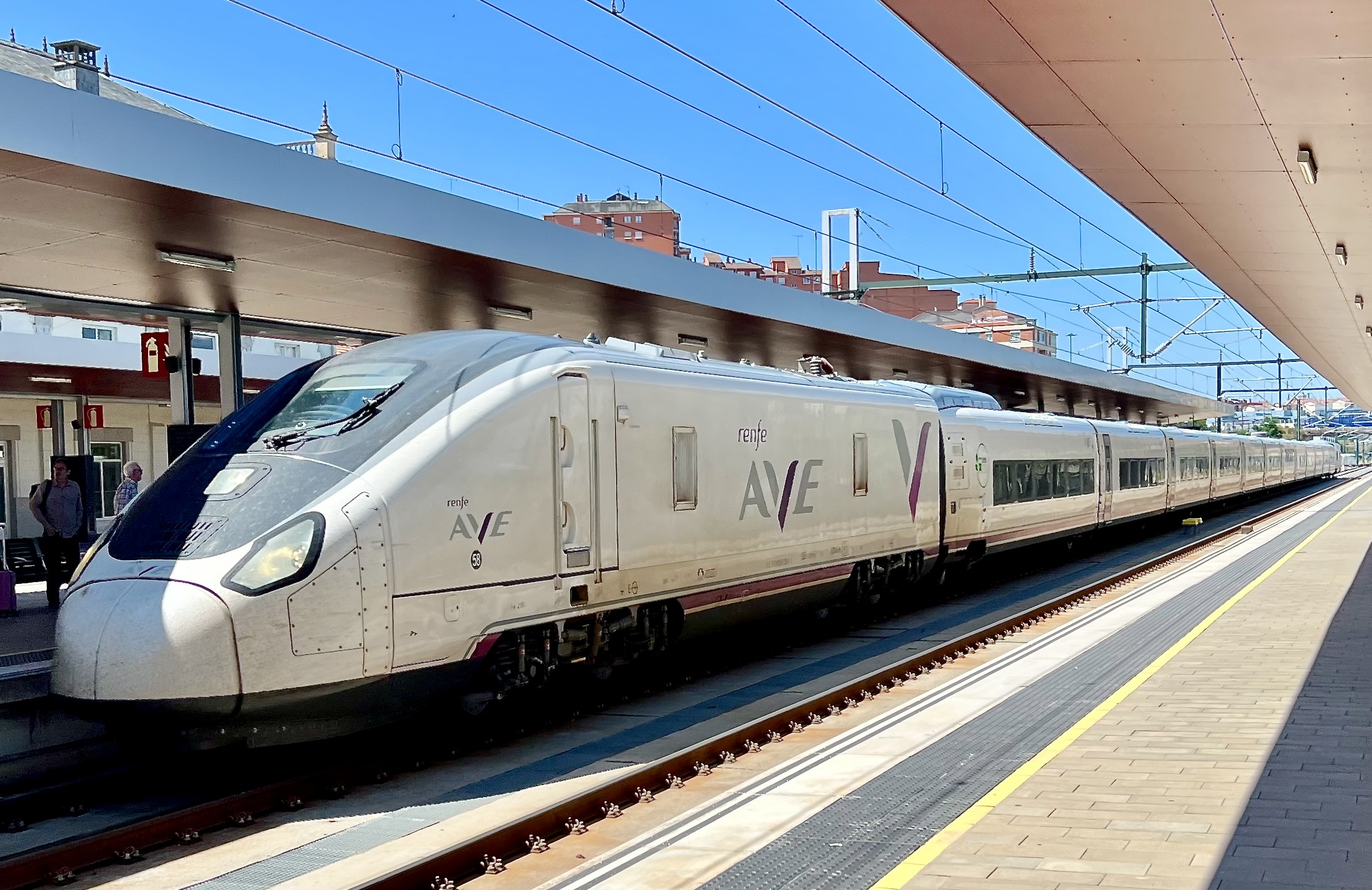
Talgo trains will undergo extensive testing and certification before entering commercial service. These processes are designed to ensure compliance with both national and international safety standards, reinforcing passenger confidence.
The Evolution of Rail in Saudi Arabia
Saudi Arabia’s rail journey began with a focus on freight and pilgrimage routes, reflecting early economic and cultural priorities. Over time, passenger rail gained prominence as cities expanded and domestic travel increased.
The introduction of high-speed services marked a significant milestone, demonstrating rail’s potential as a modern alternative to air travel. Today’s expansion builds on decades of gradual development, with Talgo trains representing the latest phase in a long-term transformation toward advanced mobility.
Implementation Strategy and Phased Deployment
Large infrastructure projects require careful sequencing to manage complexity and risk. Production schedules, infrastructure readiness, and workforce training must be closely coordinated.
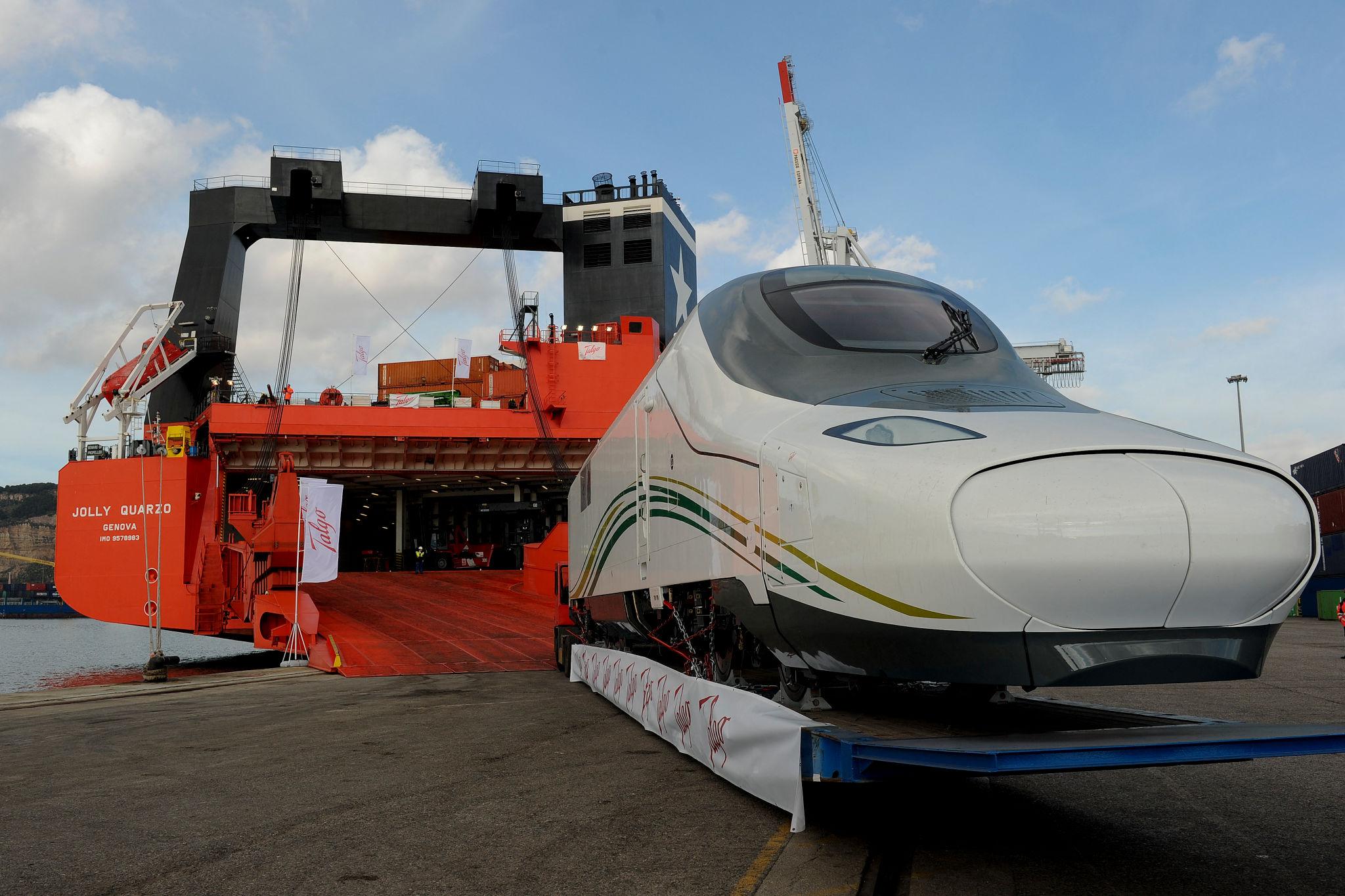
Officials indicate that Talgo trains will be introduced in phases, allowing operators to refine procedures and address challenges early. This measured approach aims to ensure reliability and service quality from the outset.
Market Confidence and Investment Signals
Infrastructure spending often reflects broader economic confidence. Saudi Arabia’s commitment to rail expansion sends a strong signal to investors about long-term growth prospects and policy stability.
Financial analysts note that Talgo trains offer predictable lifecycle costs and long service life, supporting favorable investment assessments and sustained interest in the transport sector.
Urban Development and Social Connectivity
Transport systems shape how societies function and grow. Improved rail connectivity can reduce regional disparities by making commuting and intercity travel more accessible.
In Saudi Arabia, expanded rail services are expected to support balanced development by linking smaller cities with major economic hubs. Talgo trains will facilitate this connectivity, strengthening social and economic ties.
Digitalization and Smart Mobility
Modern rail networks increasingly rely on digital tools to enhance efficiency and passenger convenience. Predictive maintenance, automated scheduling, and smart ticketing systems are becoming standard features.
Talgo trains are designed to integrate with these technologies, positioning Saudi Arabia to adopt future innovations with minimal disruption. This digital readiness supports long-term resilience and adaptability.
Tourism and Cultural Exchange Opportunities
Saudi Arabia’s growing tourism sector stands to benefit from improved domestic transport options. Faster and more comfortable rail services encourage visitors to explore multiple destinations within the Kingdom.
High-speed services operated by Talgo trains could support cultural exchange by making travel between heritage sites, economic centers, and emerging destinations more accessible.
Challenges and Risk Management
Every major infrastructure project faces challenges, from technical integration to environmental conditions. Extreme temperatures, operational training, and system compatibility require careful management.
Authorities acknowledge these risks but emphasize that comprehensive planning and international collaboration reduce uncertainty. The proven performance of Talgo trains in diverse environments provides additional confidence.
Global Context of Rail Expansion
Worldwide, governments are investing heavily in rail to address congestion, emissions, and economic resilience. From Europe to Asia, high-speed networks are expanding as nations seek sustainable mobility solutions.
Saudi Arabia’s initiative places it firmly within this global trend, demonstrating alignment with international best practices while addressing local needs.
Future Outlook Beyond Initial Deployment
While current efforts focus on near-term implementation, planners are already considering future expansion. Additional routes, increased capacity, and potential regional links remain under discussion.
The successful operation of Talgo trains could pave the way for further investment, reinforcing rail as a cornerstone of national mobility strategy.
A Defining Moment for Saudi Mobility
Saudi Arabia’s rail expansion in 2026 reflects a broader rethinking of transport, sustainability, and international cooperation. By integrating Talgo trains into its national network, the Kingdom positions itself as a regional leader in modern rail development.
As projects move from planning to operation, their impact will extend beyond infrastructure, shaping how people connect, how cities evolve, and how nations collaborate in an increasingly interconnected world.