
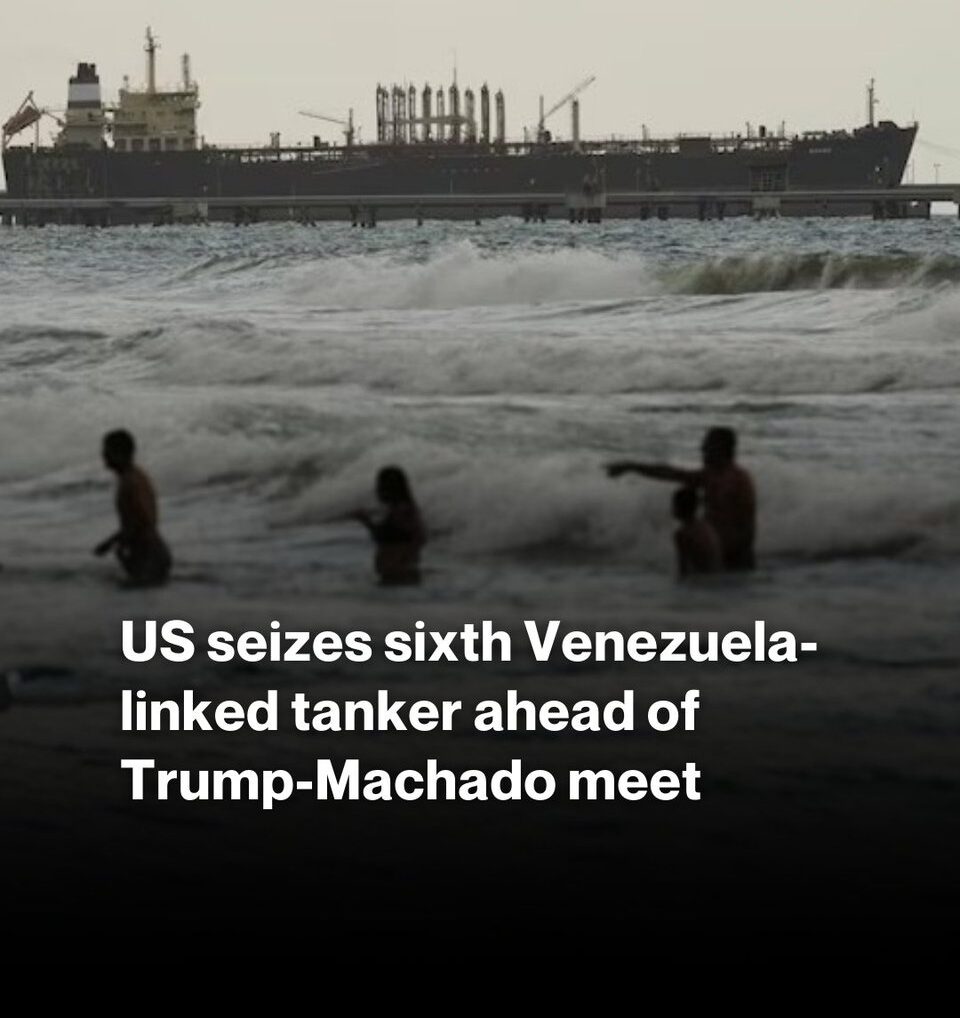
Caribbean Sea — January, 2026 — As highlighted by Brussels Morning Newspaper, geopolitical attention sharpened this week as US seizes oil tanker in Caribbean waters ahead of sensitive political engagements, reinforcing Washington’s stance on sanctions enforcement while raising fresh questions about maritime security, energy flows, and diplomatic signaling across the region.
A Maritime Action With Global Resonance
The interception of an oil tanker in the Caribbean Sea has reverberated far beyond the immediate waters where the operation took place. Maritime routes that once symbolized routine global trade have increasingly become arenas where policy, enforcement, and geopolitics intersect.
When US seizes oil tanker, the action is rarely isolated. It reflects broader strategic calculations involving sanctions compliance, regional stability, and international credibility. In this case, the seizure underscores how enforcement tools are being used not merely to stop a single shipment, but to send a message across global energy networks.
Why the Caribbean Sea Holds Strategic Weight
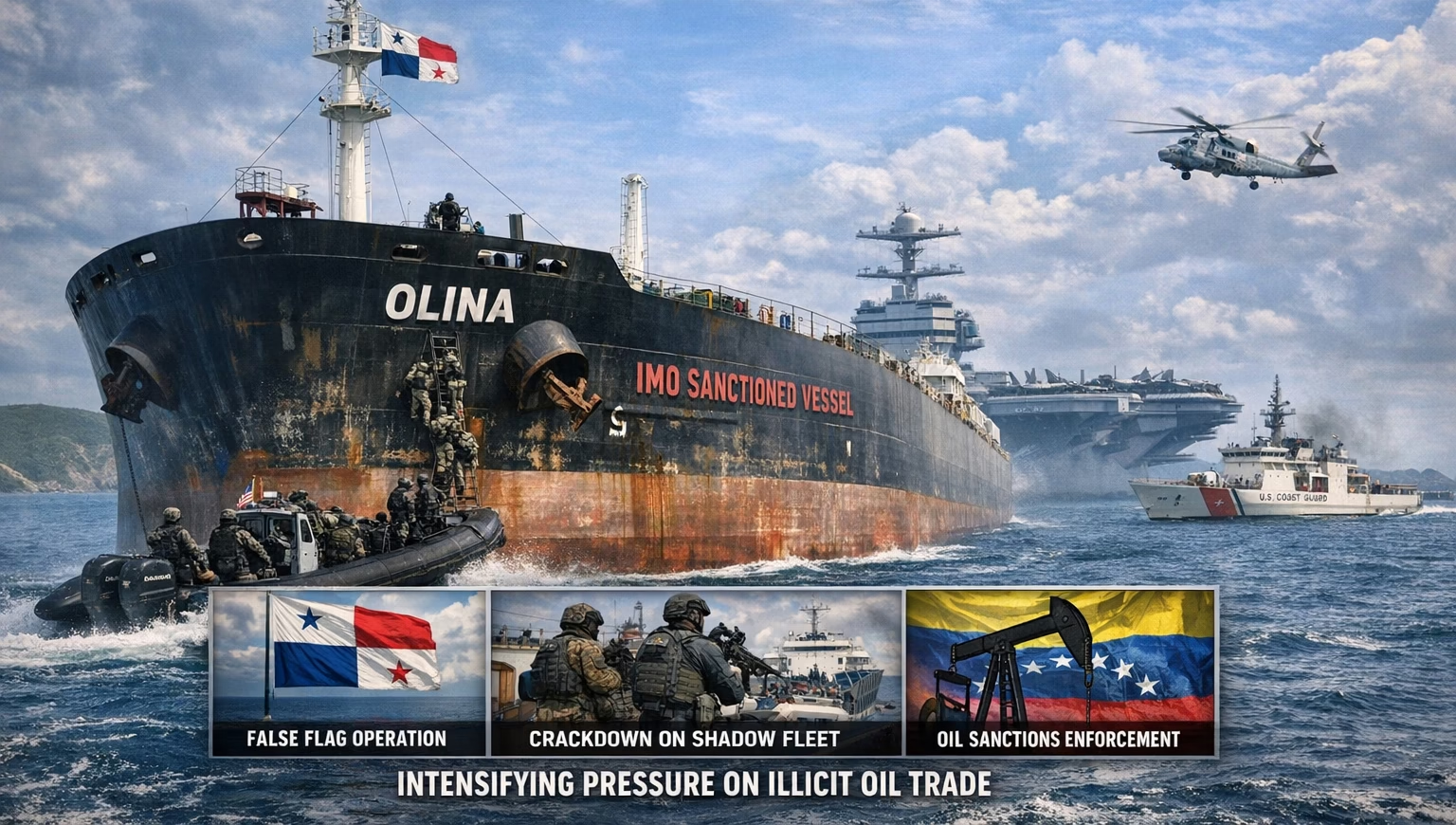
The Caribbean Sea functions as a crucial artery in the global energy system. Tankers crossing these waters supply refineries throughout the Americas, linking producers and consumers through tightly scheduled maritime corridors.
Because of this importance, any instance in which US seizes oil tanker in the region draws immediate attention from governments, markets, and shipping firms. The operation signals that enforcement is not confined to distant routes but applies equally to high-traffic corridors close to major economies.
The Enforcement Logic Behind the Seizure
Maritime enforcement actions typically follow extended monitoring and intelligence assessment. Vessel ownership structures, cargo documentation, and shipping patterns are scrutinized to identify potential sanctions violations.
In situations where US seizes oil tanker, authorities act only after establishing legal thresholds. These operations often involve coordination among naval forces, coast guard units, and regulatory agencies, ensuring that enforcement aligns with domestic and international law.
Sanctions Pressure and Oil Trade Oversight
Oil remains one of the most tightly regulated commodities under international sanctions regimes. Its high value and global demand make it a frequent target for enforcement.
By intervening decisively, authorities disrupt networks designed to obscure cargo origins or bypass restrictions. Each time US seizes oil tanker, it raises the cost of non-compliance for traders, insurers, and shipping operators, reinforcing deterrence across the energy supply chain.
Timing and Diplomatic Significance
The timing of the seizure has amplified its impact. Coming ahead of key political discussions involving energy policy and regional diplomacy, the action carries symbolic weight.
Observers note that when US seizes oil tanker shortly before high-level engagements, it often reflects a deliberate alignment between diplomatic posture and operational enforcement. The message is clear: policy commitments are reinforced by concrete action.

Operational Conduct at Sea
Details of the operation indicate a controlled and methodical approach. The tanker was intercepted without incident, boarded by trained personnel, and escorted to a secure location for further review.
Such operations demonstrate the procedural framework behind cases where US seizes oil tanker. The emphasis is on minimizing risk to crew and environment while securing evidence needed for subsequent legal processes.
Regional Security Considerations
Caribbean nations closely monitor enforcement actions that affect shipping lanes near their waters. While the seizure occurred under U.S. authority, its implications extend to regional ports and maritime insurers.
Repeated instances where US seizes oil tanker may encourage stricter compliance but also prompt regional discussions about maritime governance, sovereignty, and shared security responsibilities.
Energy Market Sensitivity
Energy markets respond quickly to signals of tightening enforcement. Even when a single tanker is involved, traders reassess risk exposure tied to certain routes and counterparties.
Analysts note that whenever US seizes oil tanker, insurance premiums and compliance costs tend to rise incrementally. Over time, these adjustments can influence pricing structures and contractual terms across the oil trade.
Legal Pathways After a Seizure
Once a tanker is detained, authorities initiate a legal process to establish jurisdiction and determine potential forfeiture. Ownership claims, charter agreements, and cargo documentation are examined in detail.
Cases in which US seizes oil tanker often take months to resolve, reflecting the complexity of maritime law and international commerce. During this period, the vessel typically remains under controlled custody pending judicial outcomes.
International Reactions and Alignment
Global reactions to tanker seizures vary by political alignment and economic exposure. Some governments view enforcement actions as necessary to uphold sanctions integrity, while others express concern about trade disruption.
Nevertheless, the consistency with which US seizes oil tanker in suspected violation cases suggests a long-term policy approach rather than episodic enforcement. This consistency reinforces predictability for compliant actors while increasing pressure on violators.
Domestic Policy Context
Within the United States, the seizure feeds into broader debates about foreign policy, sanctions effectiveness, and energy security. Supporters argue that decisive maritime action strengthens negotiating leverage, while critics caution against unintended escalation.
As discussions unfold at the policy level, US seizes oil tanker has become a reference point for how enforcement tools are integrated into diplomatic strategy.
Industry Adjustments and Compliance
Shipping companies operating near sanctioned markets have responded by tightening compliance protocols. Enhanced tracking, stricter documentation checks, and revised routing strategies are increasingly common.
Each time US seizes oil tanker, it reinforces the operational reality that compliance failures carry significant financial and reputational risk. The maritime industry is adapting accordingly.
A Single Voice on Maritime Enforcement
One veteran maritime analyst summarized the prevailing sentiment by stating,
“When enforcement happens at sea, it reshapes behavior far faster than policy statements alone.”
This perspective explains why actions involving tankers often resonate more deeply than diplomatic communiqués.
Broader Strategic Implications
Beyond the immediate enforcement outcome, the seizure highlights a broader trend toward integrating economic tools with security policy. Maritime control has emerged as a means of exerting influence without direct confrontation.
In this evolving framework, US seizes oil tanker represents a strategic lever that affects negotiations, deters violations, and signals resolve to allies and adversaries alike.
Caribbean Sea as a Policy Arena
The Caribbean Sea is increasingly more than a transit zone. It has become a visible stage where policy decisions are enacted through operational measures.
As enforcement continues, instances where US seizes oil tanker may become defining markers of how maritime power is exercised in the region during 2026 and beyond.
What the Coming Months May Bring
Investigations into the seized vessel are expected to inform future enforcement decisions. Authorities are likely to expand monitoring of routes associated with sanctioned crude.
If current patterns persist, US seizes oil tanker may transition from headline event to a regular feature of sanctions enforcement strategy.
A Defining Signal of 2026
The seizure of an oil tanker in the Caribbean Sea stands as a clear signal of enforcement intent at the start of 2026. It demonstrates how maritime actions are being used to reinforce diplomatic objectives and policy commitments.
As global attention remains fixed on energy security and sanctions compliance, US seizes oil tanker captures a moment where law, strategy, and geopolitics converge on the open sea.