
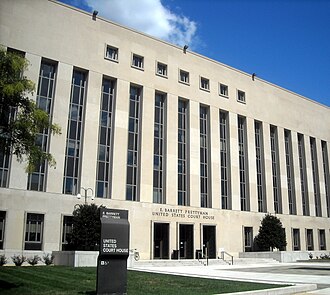
Boston, Washington, January 31 2026, According to Brussels Morning Newspaper a decision delivered in Washington placed a US immigration court ruling at the center of national attention after a federal judge temporarily blocked the termination of deportation protections for Ethiopian nationals living in the United States. The order immediately halted removal proceedings tied to the policy change, preserving existing legal safeguards while the court evaluates the government’s authority and the humanitarian consequences of enforcement.
The ruling comes at a time when immigration policy remains one of the most contested issues in the country, intersecting legal authority, executive discretion, and international humanitarian obligations.
What the Federal Court Ordered
The judge issued a temporary injunction preventing the government from ending the protections while litigation continues. The court found that immediate enforcement could cause irreparable harm to affected individuals and that serious legal questions warranted further review.
Legal experts say the US immigration court ruling reflects judicial restraint when administrative actions risk permanent consequences before full consideration of evidence and legal arguments.
Origins of the Legal Challenge
The lawsuit was filed by immigration advocacy organizations alongside Ethiopian nationals who argued that conditions in Ethiopia remain unsafe for return. Plaintiffs cited ongoing armed conflict, political instability, displacement, and humanitarian crises as factors that make deportation dangerous.
Attorneys argued that withdrawing protections without updated country assessments violated statutory requirements, prompting the US immigration court ruling that paused enforcement.
Understanding the Immigration Protections
The protections allow eligible Ethiopian nationals to remain in the United States legally, obtain work authorization, and avoid deportation during periods of extraordinary conditions in their home country.
Ending these protections would have placed thousands at immediate risk of detention or removal. Immigration specialists note that the US immigration court ruling preserves continuity for individuals who have complied with the law and built lives under the existing framework.
Why Ethiopia Remains a Central Concern
Ethiopia has experienced years of internal conflict, political upheaval, and humanitarian emergencies affecting millions. International organizations continue to report displacement, food insecurity, and regional instability.
Plaintiffs argued that deportations under these conditions would expose individuals to serious harm, a concern the court acknowledged in issuing the US immigration court ruling.
Impact on Ethiopian Communities Across the US
Ethiopian communities nationwide expressed relief following the decision. Many families had prepared for potential separation after years of lawful residence and employment.
Community leaders say the US immigration court ruling offers temporary stability, allowing people to work, support families, and remain integrated while the legal process unfolds.
Federal Government Position
The administration stated it would comply with the order while defending its authority to reassess immigration protections. Officials argue that humanitarian programs must be reviewed periodically based on evolving conditions.
Despite that stance, the US immigration court ruling ensures protections remain in effect until the court issues a final determination.
Judicial Standards Behind the Decision
In granting temporary relief, the judge applied established legal standards, including the likelihood of success on the merits and the risk of irreparable harm. The court concluded that plaintiffs met the threshold for emergency intervention.
Legal analysts note that the US immigration court ruling demonstrates how courts balance executive authority with procedural safeguards in immigration cases.
Humanitarian Law and International Norms
Human rights organizations welcomed the ruling, arguing that deportations to unstable regions violate international principles of protection. Advocates emphasized obligations under humanitarian law to prevent forced returns to dangerous environments.
The court’s intervention via the US immigration court ruling reflects these broader legal and ethical considerations.
Economic and Social Contributions of Ethiopian Migrants
Many Ethiopians covered by the protections are employed across healthcare, transportation, education, and small business sectors. Economists say sudden deportations would disrupt local economies and workplaces.
The US immigration court ruling allows continued participation in the workforce, preserving economic stability for families and communities alike.
Political Context Surrounding the Case
Immigration policy remains deeply polarized in Washington. Lawmakers are divided over executive authority, humanitarian programs, and border enforcement.
Observers say the US immigration court ruling underscores how courts increasingly shape immigration outcomes amid legislative gridlock.
Legal Precedent and Broader Implications
The decision adds to a growing number of cases where courts have intervened to slow abrupt immigration policy changes. Judges have emphasized the need for transparent reasoning and updated evidence.
Legal scholars believe the US immigration court ruling could influence how future humanitarian protections are modified or terminated.
Reaction From Legal and Advocacy Circles
Advocacy groups praised the decision as a necessary safeguard, while some policy critics argued it limits executive flexibility.
One immigration law expert said,
“The court is sending a message that humanitarian protections cannot be withdrawn without careful justification and respect for due process,”
capturing the broader significance of the US immigration court ruling.

What Happens During the Legal Pause
During the injunction, deportations tied to the contested policy remain suspended. Individuals retain legal status and work authorization while the case proceeds.
Attorneys stress that the US immigration court ruling provides time for thorough examination rather than a final outcome.
Next Steps in the Case
The court will now review evidence related to country conditions, statutory authority, and administrative procedures. Additional hearings and filings are expected in the coming months.
Until a final decision is reached, the US immigration court ruling remains in force.
Longer-Term Policy Questions
Beyond the immediate case, the ruling raises broader questions about how humanitarian protections are evaluated and ended. Policymakers may face pressure to clarify standards and timelines.
The US immigration court ruling highlights the need for consistency and transparency in future decisions affecting vulnerable populations.
Community Preparedness and Legal Awareness
Immigration advocates urge affected individuals to remain informed and seek legal guidance. Temporary relief does not guarantee permanent status, making preparation essential.
The court’s order via the US immigration court ruling offers breathing room but not final certainty.
Media and Public Attention
The case has drawn significant media coverage, reflecting widespread public interest in immigration enforcement and humanitarian protections.
Analysts say the US immigration court ruling resonates beyond Ethiopian communities, signaling how courts may respond to similar cases involving other nationalities.
Why This Decision Matters Nationally
Immigration rulings often shape enforcement far beyond individual cases. Courts establish expectations for process, evidence, and accountability.
The US immigration court ruling in Washington may influence future litigation and policy development across the country.
A Defining Legal Moment
The temporary block issued by the federal court represents a pivotal moment in the intersection of immigration law and humanitarian protection. While the final outcome remains uncertain, the decision has already provided immediate relief to thousands of individuals.
As debates over immigration continue, the US immigration court ruling delivered in Washington in 2026 stands as a reminder of the judiciary’s central role in shaping policy during periods of legal and humanitarian complexity.