Kyiv, 1 October, (Brussels Morning Newspaper) – Ukraine is reinforcing air defences and critical energy infrastructure as officials prepare for the risk of renewed Russian drone and missile strikes during the colder months. The prospect of Ukraine winter attacks has placed protection of electricity, heating and water systems at the centre of Kyiv’s preparations for the 2026-27 heating season.
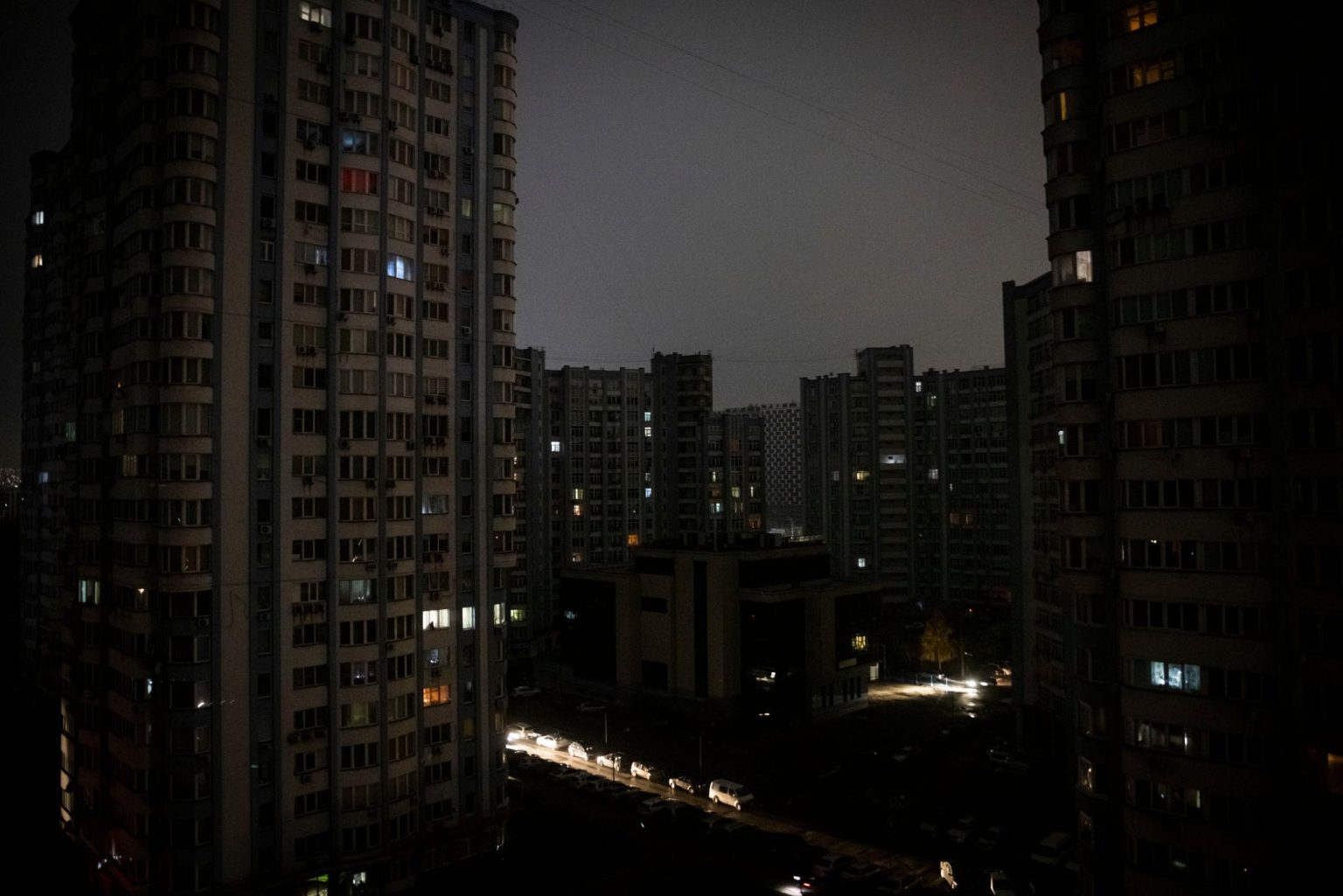
The preparations have gained urgency following another major Russian aerial assault on 30 September. Ukrainian officials said energy infrastructure was damaged and emergency power cuts were introduced in Kyiv, while critical infrastructure was affected across several regions.
Russian strikes put Ukraine’s energy network under pressure
Russia has repeatedly targeted Ukrainian energy facilities during the war, making the approach of winter a significant test for the country’s electricity and heating networks.
The 30 September attack again demonstrated that risk. Ukrainian authorities reported damage to energy facilities and disruption to essential services as air-defence units responded to incoming drones and missiles.
Ukraine’s Defence Ministry said on 30 September that ballistic missiles and jet-powered drones were among the principal challenges facing the country’s air defences. Kyiv has been developing additional domestic counter-drone capabilities while requesting more equipment and ammunition from international partners.
The changing aerial threat means Ukrainian forces must defend both major population centres and a geographically dispersed network of power plants, substations and other critical facilities.
Ukraine strengthens critical infrastructure before winter
Kyiv has been preparing regional resilience measures ahead of the heating season.
In September, the Ukrainian government said UAH 67.6 billion had been allocated to regional resilience plans, including UAH 43.7 billion for physical protection of critical infrastructure.
Authorities have also focused on backup electricity generation, emergency fuel reserves and protection for facilities supplying heating and water.
Ukraine’s National Security and Defence Council previously identified stronger critical-infrastructure protection, adequate shelters and improved anti-ballistic capabilities among its priorities.
These preparations are intended to reduce the potential consequences of Ukraine winter attacks, particularly if damage to the national grid forces emergency or scheduled electricity restrictions.
Kyiv presses European allies for stronger air defence
Ukraine continues to seek additional air-defence support from European and NATO partners.
Defence Minister Evgeniy Khmara said Ukraine was working with Norway on urgent defence requirements as Russia intensified aerial operations.
“Ballistic missiles and jet-powered drones are the main challenges to protecting our skies,” Khmara said, according to Ukraine’s Defence Ministry.
Ukraine has requested equipment including ammunition for F-16 aircraft and man-portable air-defence systems.
President Volodymyr Zelenskyy has also stressed the importance of Patriot interceptors for defending against ballistic missiles. During talks with NATO Secretary General Mark Rutte in New York in September, Zelenskyy said Ukraine required Patriot interceptors on an almost daily basis.
Energy resilience becomes a critical winter priority
Energy security has become a central civilian and military concern since Russia’s full-scale invasion began in February 2022.
Repeated attacks have damaged generation facilities, substations and transmission infrastructure, requiring extensive repairs and emergency measures.
Ukraine is consequently combining air defence with physical protection, decentralised generation and restoration projects.
The government has allocated more than UAH 107 million to restore an energy facility in the Sumy region that supplies heating to nearly 160,000 households. Ukrainian authorities said the restoration was expected to be completed by 31 October.
Protecting such facilities matters beyond keeping household lights on. Electricity supports hospitals, communications, transport, businesses, water pumping and heating infrastructure, making prolonged disruption a wider economic and humanitarian concern.
Ukraine races to reinforce defences before colder weather
The coming weeks are expected to focus on completing infrastructure repairs, increasing backup generation and securing further air-defence ammunition from international partners.
Ukrainian authorities will also continue strengthening physical protection around vulnerable energy sites as temperatures fall and demand for electricity and heating rises.
The scale and timing of future Russian operations cannot be predicted. However, the pattern of attacks on Ukraine’s energy system has made preparations against Ukraine winter attacks an immediate priority for Kyiv and an important issue for European governments supporting the country.
For Ukraine, the approaching heating season will test whether stronger air defences, infrastructure protection and emergency energy capacity can limit disruption to millions of civilians if Russia continues large-scale aerial strikes.