
BANGKOK, Thailand, June 9 – Brussels Morning Newspaper — Thailand labor market developments are drawing international attention as the United Nations points to the country’s employment opportunities for Myanmar refugees as a potential model for other Asian nations. As businesses across Thailand continue to face labor shortages in several industries, policymakers and international organizations are examining how legal employment pathways can benefit both displaced populations and host economies.
The growing discussion comes as many countries throughout Asia face a combination of workforce shortages, aging populations, and increasing migration pressures. Thailand’s experience is being closely watched as governments search for practical solutions that balance economic needs with humanitarian responsibilities.
Labor Demand Continues Across Key Industries
The Thailand labor market has relied on migrant workers for decades, particularly in sectors such as agriculture, construction, manufacturing, hospitality, and food processing. These industries often struggle to attract enough domestic workers, creating ongoing demand for foreign labor.
Myanmar refugees arriving in Thailand bring a wide range of skills and work experience. Supporters of expanded employment opportunities argue that allowing refugees to work legally can help businesses fill vacancies while providing displaced families with a stable source of income.
Economic analysts note that labor shortages are becoming more common throughout Asia, making workforce participation an increasingly important issue for governments and employers alike.
United Nations Sees Regional Potential
United Nations officials believe Thailand’s approach may offer valuable lessons for neighboring countries facing similar challenges. Rather than viewing refugees solely through a humanitarian lens, policymakers are increasingly considering their potential contributions to economic growth.
One UN representative stated,
“When refugees gain access to legal employment, they can support themselves, contribute to local economies, and help address workforce shortages at the same time.”
The organization argues that employment opportunities can reduce dependence on aid while helping refugees integrate into host communities more effectively.
Economic Benefits Extend Beyond Individual Workers
Experts say the benefits of refugee employment often extend far beyond the workers themselves. When individuals earn stable incomes, they spend money on housing, transportation, food, healthcare, and education, supporting local businesses and generating economic activity.
The Thailand labor market demonstrates how workforce participation can create positive economic effects across multiple sectors. Businesses gain access to needed workers, governments benefit from increased economic activity, and families gain greater financial stability.
Some economists believe that labor mobility will become increasingly important as demographic trends continue to reshape economies throughout the region.
Challenges Still Require Careful Management
Despite the potential advantages, experts acknowledge that refugee employment programs must be carefully managed. Governments must establish clear legal frameworks, enforce labor protections, and ensure fair working conditions.
Concerns about worker exploitation, wage competition, and regulatory compliance remain important considerations. Human rights organizations emphasize that successful employment programs require strong oversight and cooperation between governments, employers, and international agencies.
Policymakers also face the challenge of balancing labor market needs with public concerns regarding immigration and social services.
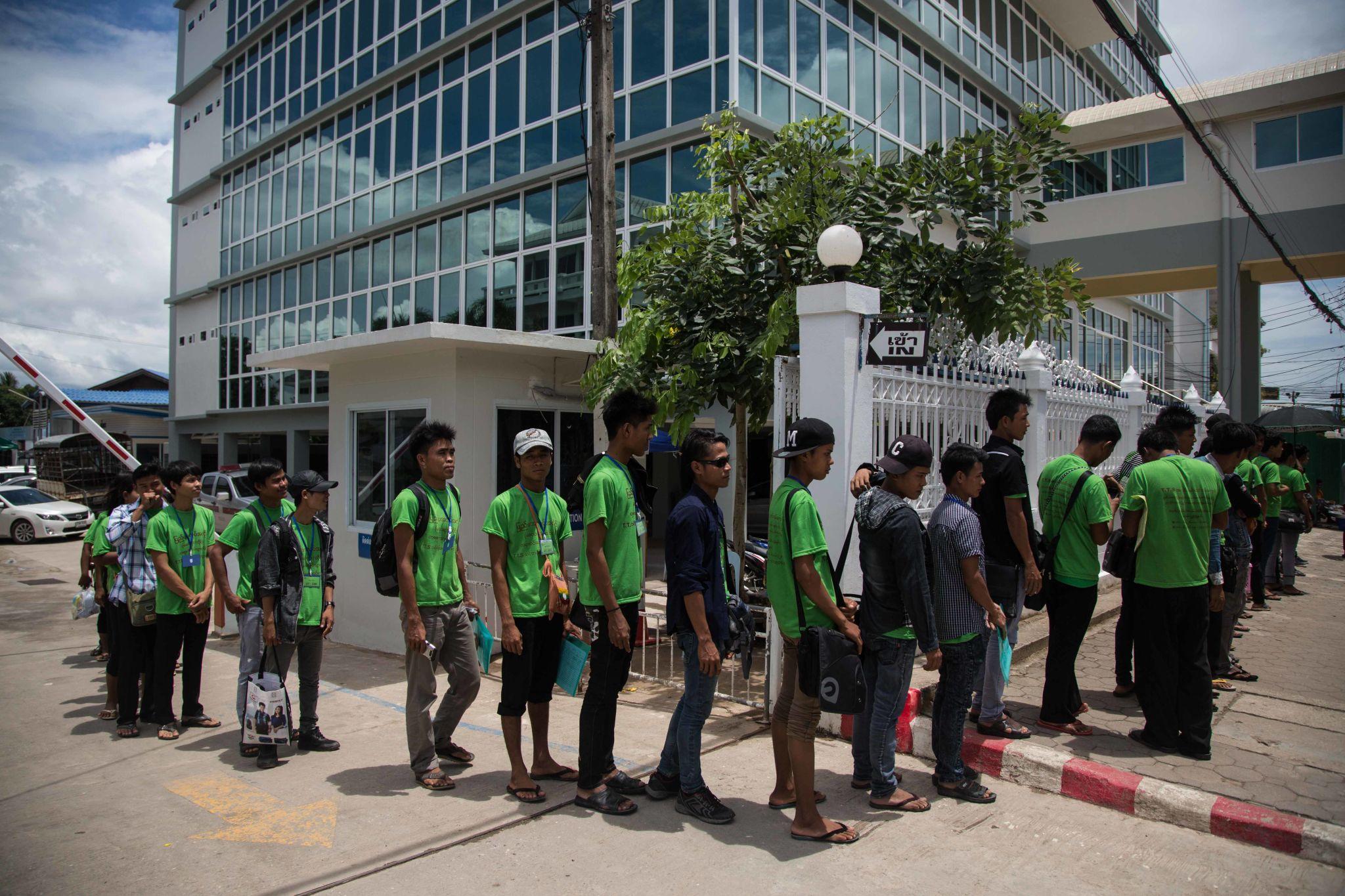
Regional Cooperation May Become More Important
As labor shortages continue to emerge across Asia, discussions about regional workforce cooperation are gaining momentum. Several countries are exploring ways to improve labor mobility while maintaining border security and protecting workers’ rights.
Thailand’s experience is increasingly cited as an example of how employment-focused policies can address multiple challenges simultaneously. Observers believe that coordinated regional approaches could help create more predictable migration systems while supporting economic growth.
The issue is expected to remain a key topic for policymakers throughout 2026 and beyond.
Outlook for the Future
The Thailand labor market continues to serve as an important case study in how refugee employment can support both economic development and humanitarian objectives. While challenges remain, international organizations see potential for similar approaches to be adapted elsewhere in Asia.
As governments search for solutions to labor shortages and migration pressures, Thailand’s experience may help shape future discussions about workforce participation, economic growth, and regional cooperation. The coming years will likely determine whether employment pathways for refugees become a broader model across the region.