Syria | January 2026 — The Syria humanitarian crisis has reached a defining moment as prolonged conflict, economic collapse, and repeated displacement continue to strip civilians of stability and security. According to Brussels Morning Newspaper, aid agencies operating on the ground warn that needs are growing faster than the resources available to meet them, leaving millions at risk of severe deprivation.
Across urban centers and rural communities, ordinary Syrians face daily struggles to secure food, shelter, and medical care, while uncertainty over safety remains a constant presence.
Years of Conflict Leave Deep Civilian Wounds
More than a decade of conflict has reshaped Syria’s social and economic landscape. Entire neighborhoods have been destroyed, livelihoods lost, and community networks fractured. The Syria humanitarian crisis is not the result of a single escalation but the cumulative impact of years of instability that have eroded resilience at every level.
Families who once lived self-sufficient lives now depend on aid distributions, informal labor, or support from relatives who themselves are struggling. The long duration of hardship has left many exhausted and with few remaining coping mechanisms.
Displacement as a Defining Reality
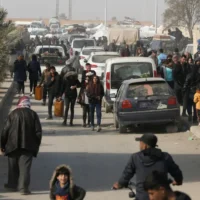
Displacement remains one of the most visible consequences of ongoing instability. Millions have been forced to flee their homes at least once, and many have been displaced repeatedly. Northern regions, including areas around Aleppo, continue to absorb waves of families escaping violence or deteriorating living conditions.
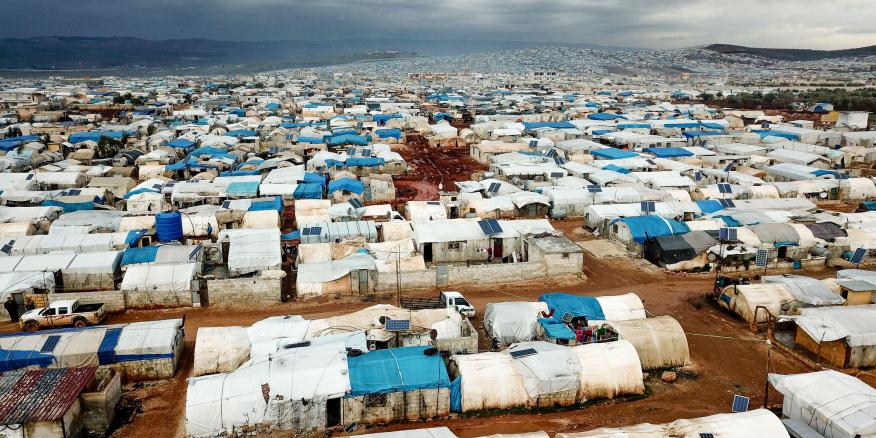
As displacement compounds, temporary solutions become semi-permanent. Camps expand, informal shelters multiply, and host communities struggle to absorb newcomers while meeting their own basic needs.
Shelter Shortages and Overcrowding
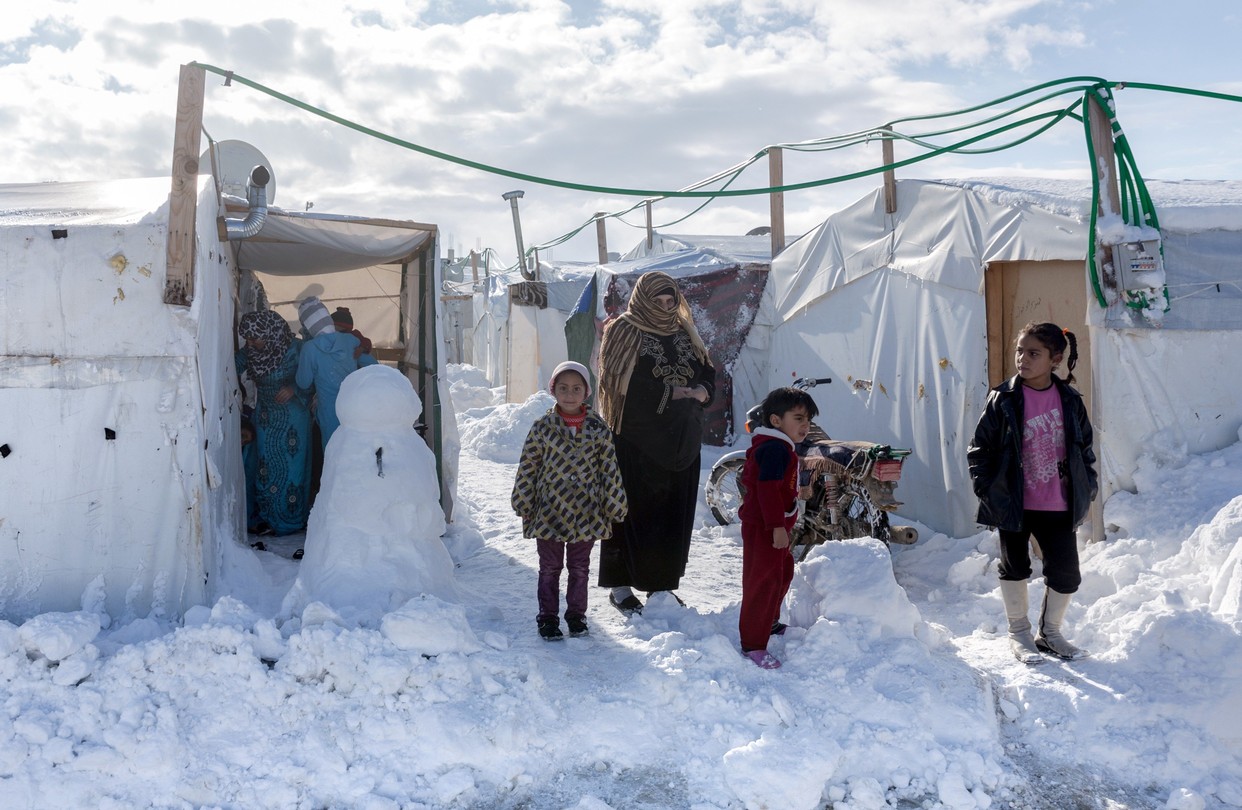
The scale of displacement has created acute shelter shortages. Tents, unfinished buildings, and damaged homes are often the only options available. Within the Syria humanitarian crisis, overcrowding has become routine, with multiple families sharing limited space and resources.
Poor insulation, exposure to harsh weather, and lack of privacy contribute to deteriorating physical and mental health. For children, these conditions disrupt normal development and sense of safety.
Food Insecurity Tightens Its Grip
Food insecurity is one of the most severe dimensions of the Syria humanitarian crisis. Inflation, disrupted agriculture, and limited income opportunities have made basic staples unaffordable for many households.
Aid agencies report that families increasingly adopt negative coping strategies, such as reducing meal portions or prioritizing children at the expense of adults. Malnutrition rates, particularly among young children and pregnant women, continue to rise.
Healthcare System Near Breaking Point
Syria’s healthcare infrastructure has been heavily damaged by years of conflict. Hospitals and clinics face chronic shortages of medicine, equipment, and qualified staff. Within the Syria humanitarian crisis, preventable illnesses often become life-threatening due to delayed or inaccessible care.
Patients with chronic conditions, including diabetes and heart disease, struggle to obtain consistent treatment. Mental health services are particularly scarce despite widespread trauma.
Children Carry the Heaviest Burden
Children represent one of the most vulnerable groups affected by prolonged hardship. Many have missed years of education due to displacement, insecurity, or the need to work. The Syria humanitarian crisis has disrupted schooling for an entire generation, with long-term consequences for social cohesion and economic recovery.
Psychological distress among children is widespread. Aid workers note high levels of anxiety, depression, and behavioral challenges linked to exposure to violence and instability.
Education System Under Strain
Schools that remain operational often face overcrowding and limited resources. In displacement-hosting areas, classrooms may operate in shifts or accommodate far more students than intended. Within the Syria humanitarian crisis, education is frequently deprioritized as families focus on immediate survival needs.
The loss of consistent education undermines future prospects and risks entrenching cycles of poverty.
Economic Collapse Deepens Vulnerability
Economic decline has intensified humanitarian needs across Syria. Currency depreciation, unemployment, and rising costs have eroded purchasing power. Even families with some income struggle to meet basic expenses.
The Syria humanitarian crisis is inseparable from this economic collapse, as livelihoods vanish and savings are exhausted. Small businesses face closure, while informal labor offers little security or protection.
Humanitarian Access Remains Constrained
Delivering aid in Syria remains fraught with challenges. Security concerns, damaged infrastructure, and administrative restrictions limit access to many communities. Within the Syria humanitarian crisis, delays in aid delivery can mean the difference between survival and severe hardship.
Humanitarian organizations continue to advocate for unimpeded access and predictable delivery routes to reach those most in need.
Funding Shortfalls Widen the Gap
Despite the scale of need, humanitarian funding has not kept pace. Donor fatigue and competing global crises have reduced available resources. Aid agencies warn that funding gaps force painful choices about which programs to scale back or suspend.
The Syria humanitarian crisis now faces the risk of becoming a neglected emergency, even as needs reach historic highs.
Women and Elderly Face Heightened Risks
Women and elderly people often experience disproportionate hardship. Limited mobility, caregiving responsibilities, and reduced access to services leave them particularly vulnerable. Within the Syria humanitarian crisis, protection concerns, including gender-based violence, remain a serious issue.
Targeted support programs exist but fall far short of covering all those at risk.
Local Communities Show Remarkable Resilience
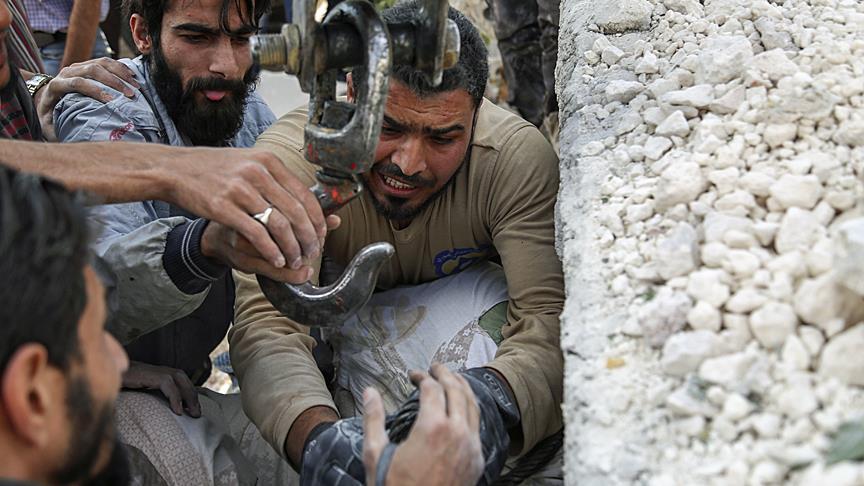
Despite immense challenges, local communities continue to support one another. Volunteers organize food sharing, provide shelter, and assist newly displaced families. This grassroots resilience is a vital component of survival within the Syria humanitarian crisis.
However, community capacity is not infinite, and prolonged strain threatens to exhaust these informal safety nets.
Voices From the Ground
One aid coordinator working in northern Syria said,
“The needs are overwhelming, and without sustained international support, we risk losing an entire generation to poverty and trauma.”
This single testimony reflects the urgency felt by humanitarian workers across the country.
Regional and Global Implications
The Syria humanitarian crisis has far-reaching implications beyond the country’s borders. Neighboring states hosting refugees face social and economic pressure, while ongoing instability influences migration patterns and regional security dynamics.
Failure to address humanitarian needs risks prolonging instability across the wider region.
Aid Agencies Call for Renewed Commitment
Humanitarian organizations continue to call for increased funding, expanded access, and political efforts to protect civilians. They stress that humanitarian aid alone cannot resolve the crisis but remains essential to saving lives and preserving dignity.
Within the Syria humanitarian crisis, timely support can prevent further deterioration and keep pathways to recovery open.
Prospects for Recovery Remain Fragile
While localized ceasefires occasionally reduce violence, long-term recovery remains uncertain. Infrastructure damage, displacement, and economic collapse present immense challenges that will take years to address.
Experts emphasize that sustainable recovery from the Syria humanitarian crisis requires political solutions alongside humanitarian and development assistance.
A Test of International Responsibility
As 2026 unfolds, the Syria humanitarian crisis stands as one of the world’s most complex and prolonged emergencies. The scale of suffering tests international commitment to humanitarian principles, civilian protection, and long-term stability.
When Survival Defines Everyday Life
For millions of Syrians, daily life revolves around securing food, water, and safety. This reality is not marked by a single catastrophe but by relentless pressure that erodes hope over time. The choices made by the international community today will shape Syria’s humanitarian landscape for generations to come.