Syria (Brussels Morning Newspaper) January 9, 2026 —The situation in Aleppo at the start of 2026 reflects a fragile but noticeable shift toward stability, as Syria’s once-largest city navigates life beyond the intensity of open conflict. After years defined by destruction, displacement, and fear, Aleppo today presents a quieter picture where routine, restraint, and cautious hope shape daily life more than gunfire or explosions.
While the city’s wounds remain visible in damaged buildings and struggling infrastructure, the overall atmosphere has changed. Streets are active, markets function, and security measures are present but measured. For residents who endured some of the war’s darkest chapters, even modest calm carries deep meaning.
Aleppo’s Central Place in Syria’s War and Recovery
Aleppo has long been a symbol of Syria itself. Before the war, it served as the country’s economic powerhouse, home to factories, traders, and historic markets that connected regional and international commerce. When fighting engulfed the city, its fall into chaos became one of the most powerful images of Syria’s conflict.
Today, the situation in Aleppo tells a different story. While far from fully recovered, the city has moved beyond the daily emergencies that once dominated headlines. Analysts say Aleppo now represents a testing ground for whether post-conflict stability can be sustained in deeply scarred urban centers.
Security Conditions Across the City
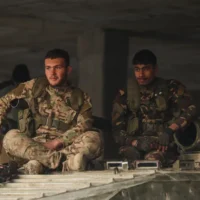
Security remains a defining factor in Aleppo’s daily rhythm. Checkpoints still dot major roads, but their presence has become routine rather than alarming. Patrols focus on visibility and deterrence instead of force, and residents report fewer disruptions to movement.
Local officials say the aim is to prevent isolated incidents from escalating. According to security analysts, the current situation in Aleppo benefits from coordination among various actors, reducing misunderstandings that once fueled violence.
Daily Life Slowly Reclaims Space
For civilians, progress is measured in ordinary experiences. Parents send children to school without daily fear. Public transport follows predictable schedules. Shops open early and close late, something unthinkable during the height of fighting.
Many residents describe the situation in Aleppo as neither peace nor crisis, but something in between: a fragile normalcy shaped by caution. Weddings, funerals, and community gatherings have resumed, though often quietly and without public celebration.
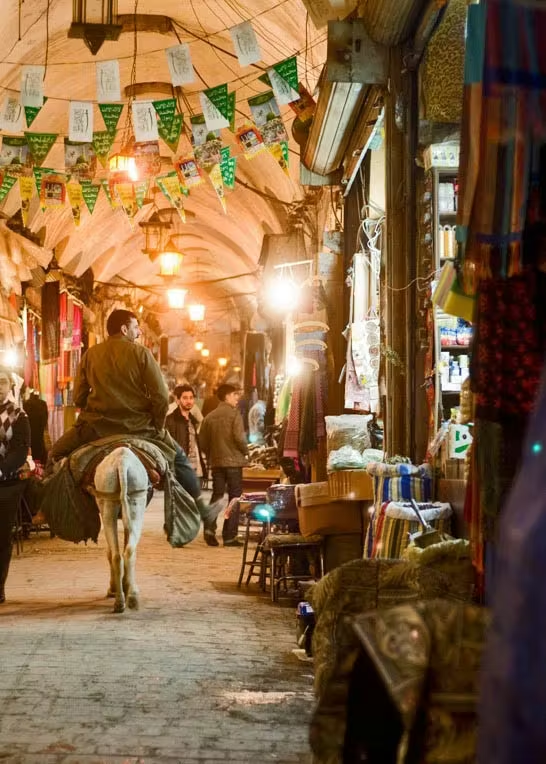
Markets and Economic Activity
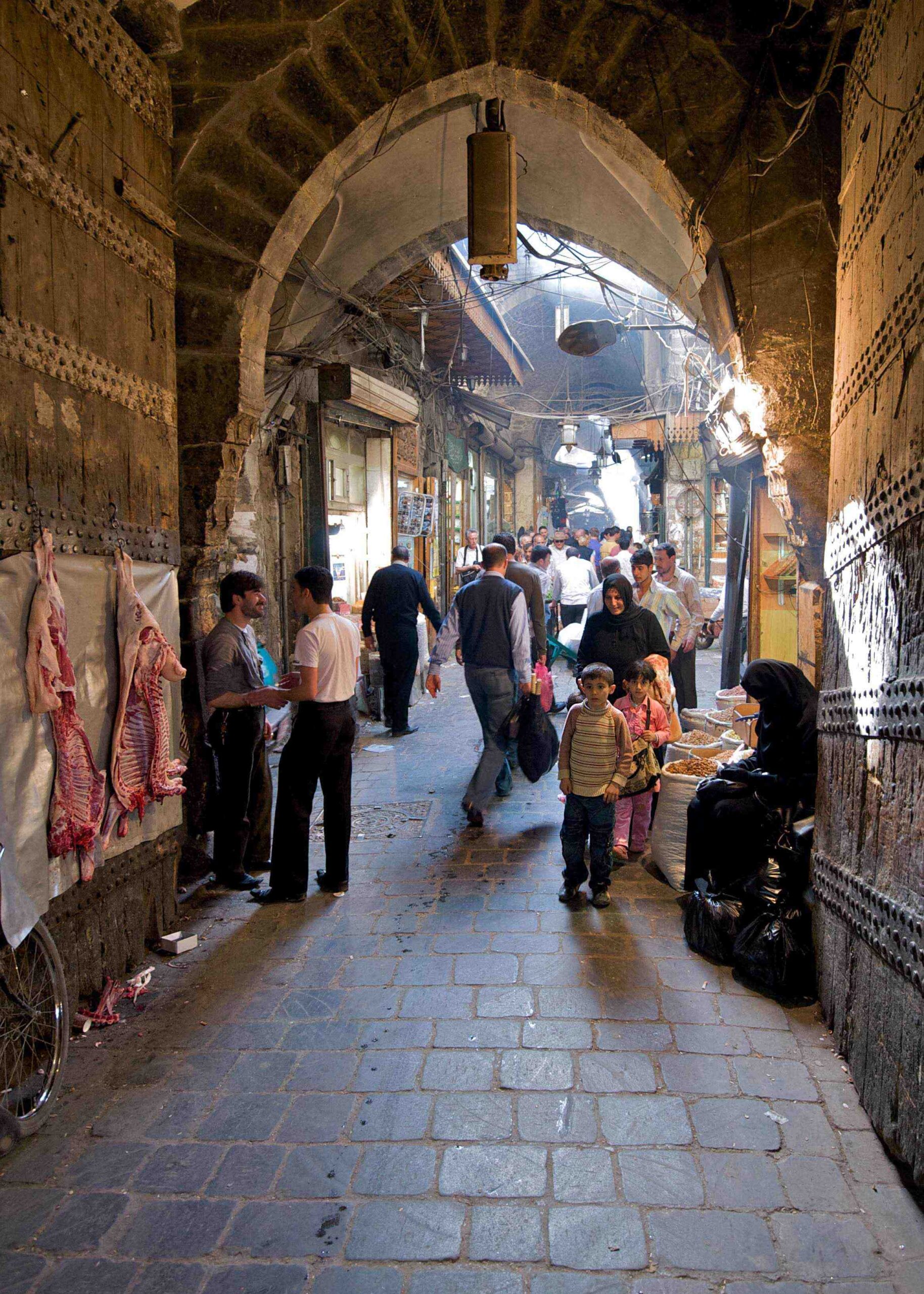
Aleppo’s famous commercial spirit has not disappeared. Small workshops hum back to life, traders sell textiles and food, and informal markets fill neighborhood streets. Large-scale investment remains limited, but survival-level commerce has expanded.
Merchants say the situation in Aleppo allows business to continue, even if profits are thin. Inflation, damaged infrastructure, and limited purchasing power remain serious challenges, yet the simple ability to operate consistently marks progress.
Infrastructure and the Long Road to Reconstruction
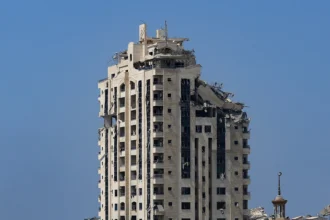
Rebuilding Aleppo is a massive undertaking that will take years, if not decades. Some districts have seen repairs to roads, electricity grids, and water systems. Others remain surrounded by rubble, with families living among half-collapsed buildings.
Authorities acknowledge uneven progress but emphasize gradual improvement. For residents, infrastructure repairs directly shape how they experience the situation in Aleppo, influencing everything from healthcare access to economic opportunity.
Healthcare Under Strain but Functioning
Hospitals and clinics continue to operate despite shortages of staff, medicine, and equipment. Emergency care is available across most of the city, though specialized treatment remains limited.
Health workers say stability has allowed a shift toward chronic care and rehabilitation. This change has altered how families perceive the situation in Aleppo, as healthcare moves beyond crisis response toward long-term support.
Education and Social Recovery
Schools and universities have reopened more broadly, though overcrowding and resource shortages persist. Teachers report improved attendance compared to previous years, reflecting growing confidence among parents.
Cultural and social activities are slowly returning. Libraries, community centers, and informal learning spaces have reopened in some neighborhoods, reinforcing the sense that the situation in Aleppo is evolving beyond survival.
Humanitarian Aid and Civilian Support
Humanitarian organizations remain active throughout Aleppo, delivering food assistance, healthcare, and education programs. Access has improved compared to earlier phases of the war, though funding shortages limit reach.
Aid workers note that predictable security conditions now allow planning instead of constant emergency response. This shift has become a key factor shaping the situation in Aleppo for vulnerable populations.
Public Sentiment and Lived Experience
Public sentiment across Aleppo remains cautious. Many residents welcome stability but avoid optimism that feels premature. Memories of sudden reversals linger strongly.
One resident said,
“We live normally again, but we know how quickly everything once changed.”
The comment reflects how people measure the situation in Aleppo not by promises, but by experience.
Political and Regional Context
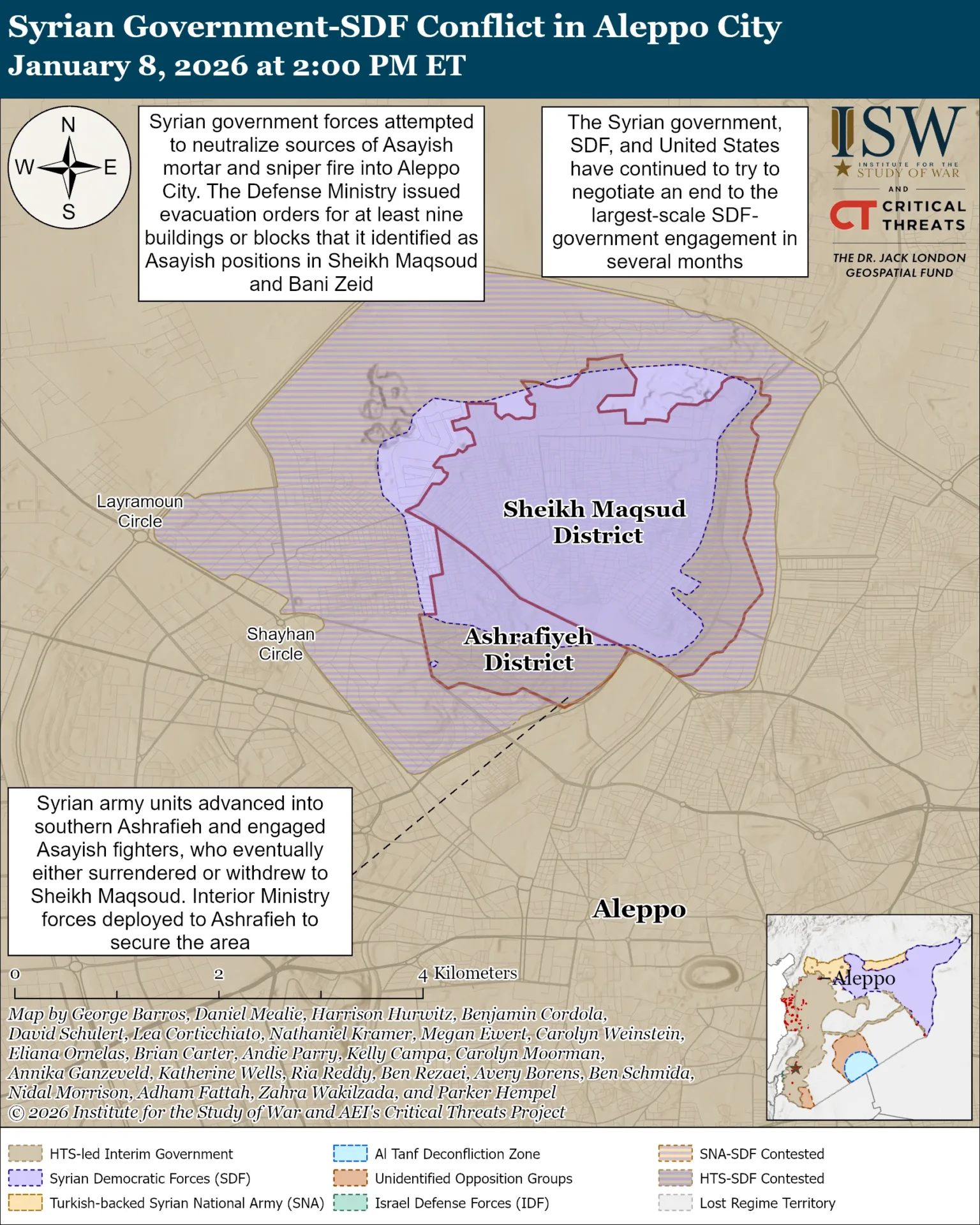
Aleppo’s stability cannot be separated from broader developments in northern Syria. Regional dynamics, economic pressures, and unresolved political questions continue to influence the city’s future.
Observers say the situation in Aleppo depends heavily on restraint and coordination beyond city limits. Any major shift elsewhere could quickly affect conditions on the ground.
Economic Pressures on Households
Despite calm, economic hardship remains widespread. Unemployment is high, wages are low, and inflation continues to strain household budgets. Many families rely on remittances or aid to meet basic needs.
Residents say the situation in Aleppo feels stable but fragile, with economic recovery lagging behind security improvements.
Youth, Identity, and the Future
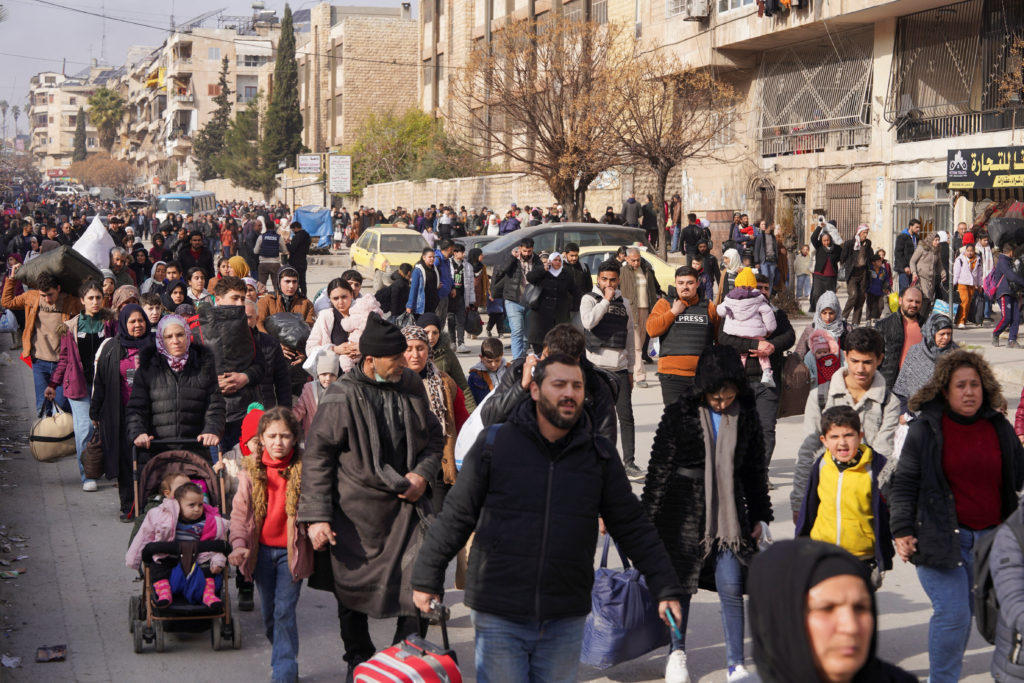
Young people in Aleppo face a difficult balance between hope and uncertainty. Many have grown up knowing only war, yet now confront the challenge of rebuilding skills, education, and opportunity.
Youth workers say the situation in Aleppo has opened space for engagement, but long-term prospects depend on sustained stability and investment.
Risks That Continue to Shadow Progress
Despite calm conditions, risks remain ever-present. Economic collapse, regional escalation, or political breakdown could destabilize gains if not managed carefully.
Security analysts warn that preserving the situation in Aleppo requires continued restraint, clear communication, and attention to civilian needs.
International Observation and Outlook
International observers describe Aleppo as a city in transition rather than recovery. Diplomatic attention focuses on maintaining stability rather than achieving rapid transformation.
Many say the current situation in Aleppo represents a holding pattern, one that must be protected to avoid sliding backward.
What the Coming Months May Bring
Looking ahead, expectations remain modest. Residents hope for incremental improvements in services, employment, and infrastructure rather than dramatic change.
Most agree the situation in Aleppo will continue to evolve slowly, shaped by patience and caution rather than sweeping decisions.
From Survival to Routine
Aleppo’s greatest shift in 2026 may be psychological. Survival is no longer the only daily concern. Planning, routine, and quiet ambition have returned to everyday life.
For many families, the situation in Aleppo now allows something long denied: imagining a future.
When Ordinary Life Becomes the Measure of Progress
Aleppo’s recovery is not marked by grand declarations or rebuilt skylines, but by quieter milestones. Children walking to school. Shops opening on time. Streets that feel familiar rather than threatening.
The true meaning of the situation in Aleppo lies in these ordinary moments, where stability, however fragile, has become the foundation for rebuilding lives once defined by conflict.