Italy (Brussels Morning) Water is supposed to be Sicily’s paradox.
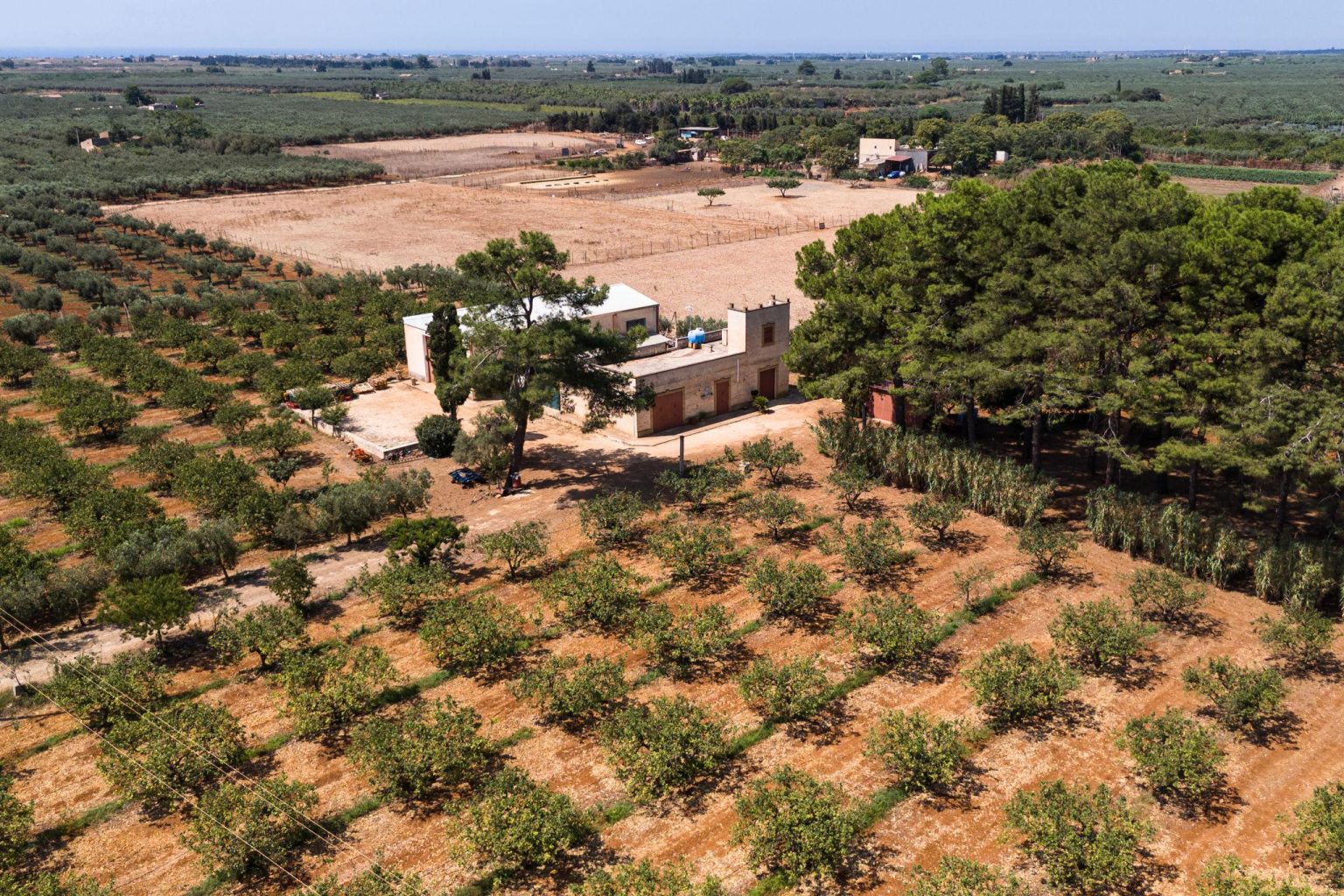
To the outside eye, the island appears condemned to drought: vast yellow plains, brittle grasslands,
sun-scorched earth. For more than a century, photographs, films and novels have fixed this image in
the European imagination: Sicily as arid, thirsty, unforgiving. Yet this narrative, repeated so often it
feels natural, obscures a harder truth.
Sicily’s water crises (growing more severe, more frequent and more geographically widespread,
culminating in 2024, an annus horribilis) are not primarily the consequence of climate or geography.
They are the result of power.
They are the legacy of land monopolies and rentier aristocracies; of the “roba” (the obsessive
attachment to property) described by Giovanni Verga; of the Mafia’s granular control of territory; of
public works conceived without oversight, executed without competence and managed somewhere
between negligence and complicity.
Scarcity, in Sicily, has rarely been natural. More often, it has been organised.
In antiquity, water was not a vulnerability but an asset. The island’s hydrotoponyms (embedded in
place names derived from springs, streams, wells and canals) testify to a landscape once defined by
hydraulic abundance. Sicily was Rome’s granary not by accident, but because it mastered water.
Arab and Norman Palermo engineered qanats, norias and senie, constructing a system sophisticated
enough to irrigate diverse crops within a single ecosystem. As agricultural historian Giuseppe Barbera
has argued, ecological conditions (mild winters, mountain-fed aquifers, reclaimed soils) created a
fertile and carefully managed landscape. Water was infrastructure, knowledge and governance.
Even early modern droughts, though severe, were episodic. They reshaped agriculture (sugar cane
was abandoned after prolonged sixteenth-century dry spells) but they did not permanently
compromise the island’s hydraulic balance.
The structural break came later.
Following Italian unification, no comprehensive public regulation of water was introduced. In rural
western Sicily, control of springs and irrigation systems consolidated in private hands. Water wardens
(fontanieri), often linked to emerging Mafia networks, became brokers of access. Citrus groves in the
Conca d’Oro depended on those who controlled the valves.
By the late nineteenth century, water was no longer merely a resource: it was leverage.
Judicial records from Monreale in the 1870s describe violent conflicts between rival groups (the
Giardinieri and the Stuppagghieri) over irrigation control. Historians now recognise these episodes as
among the earliest documented Mafia wars. Control of water translated directly into economic
coercion.
Throughout the twentieth century, that logic persisted.
State institutions repeatedly documented massive water loss. In the early 1900s, officials
acknowledged that rainfall levels were comparable to other Mediterranean regions, yet nearly five
billion cubic metres were wasted annually due to inadequate infrastructure. Meanwhile, irrigation
consortia were paralysed by Mafia interference. Development projects (such as the Belice dam)
stalled for over a decade because modern hydraulic governance threatened existing monopolies.
By the 1970s, the contradiction was stark.
During the “Great Thirst of Palermo” (1977- 78), thousands of wells existed across coastal aquifers,
many privately owned by families linked to organised crime. These sources were conspicuously
absent from official public water registers. The municipal water authority ended up leasing private
wells, effectively paying criminal intermediaries for access to public water. Aquifers were depleted.
Saltwater intrusion advanced. Accountability faltered.
The pattern was not accidental: it was systemic.
When journalist Mario Francese investigated corruption surrounding the Garcia dam project in 1977,
he uncovered subcontracting networks tied to Totò Riina. Two years later, Francese was murdered.
His reporting suggested what official planning documents did not: infrastructure projects were not
simply mismanaged; they were embedded in a wider economy of collusion.
Subsequent decades brought new crises, different towns, familiar mechanisms.
Messina’s 2015 aqueduct collapse exposed maintenance failures and opaque procurement
processes. Investigations into alleged bid-rigging within the municipal water company yielded limited
convictions. In the Aeolian Islands, prosecutors alleged fraud in tanker-based potable water supply
contracts. In Carini in 2024, investigators dismantled an alleged illegal water pipeline operated as a
territorial racket, supplying households excluded from the public network.
Most recently, Caltanissetta’s 2024–25 crisis has prompted formal prosecutorial scrutiny into service
interruptions, drinking bans and infrastructure neglect. The inquiry remains preliminary. But the
questions are familiar: who controls the network? Who benefits from dysfunction? And who pays for
systemic failure?
The narrative of Sicilian drought is convenient. It suggests inevitability: a climatic destiny.
But history suggests otherwise.
For centuries, Sicily engineered abundance. Its crises became structural not when the rains stopped,
but when governance faltered and power consolidated around scarcity. Water, once the foundation of
prosperity, became an instrument of control.
Today, as climate change intensifies pressure on Mediterranean resources, Sicily faces a double
burden: environmental vulnerability layered atop historical distortion. The island’s water problem is not
merely about rainfall. It is about infrastructure captured by interests, about oversight deferred, about a
public good repeatedly converted into private leverage.
Scarcity here is rarely just meteorological.
It is political.
And until that is confronted (institutionally, legally and culturally) Sicily’s thirst will remain less a
question of nature than of power.