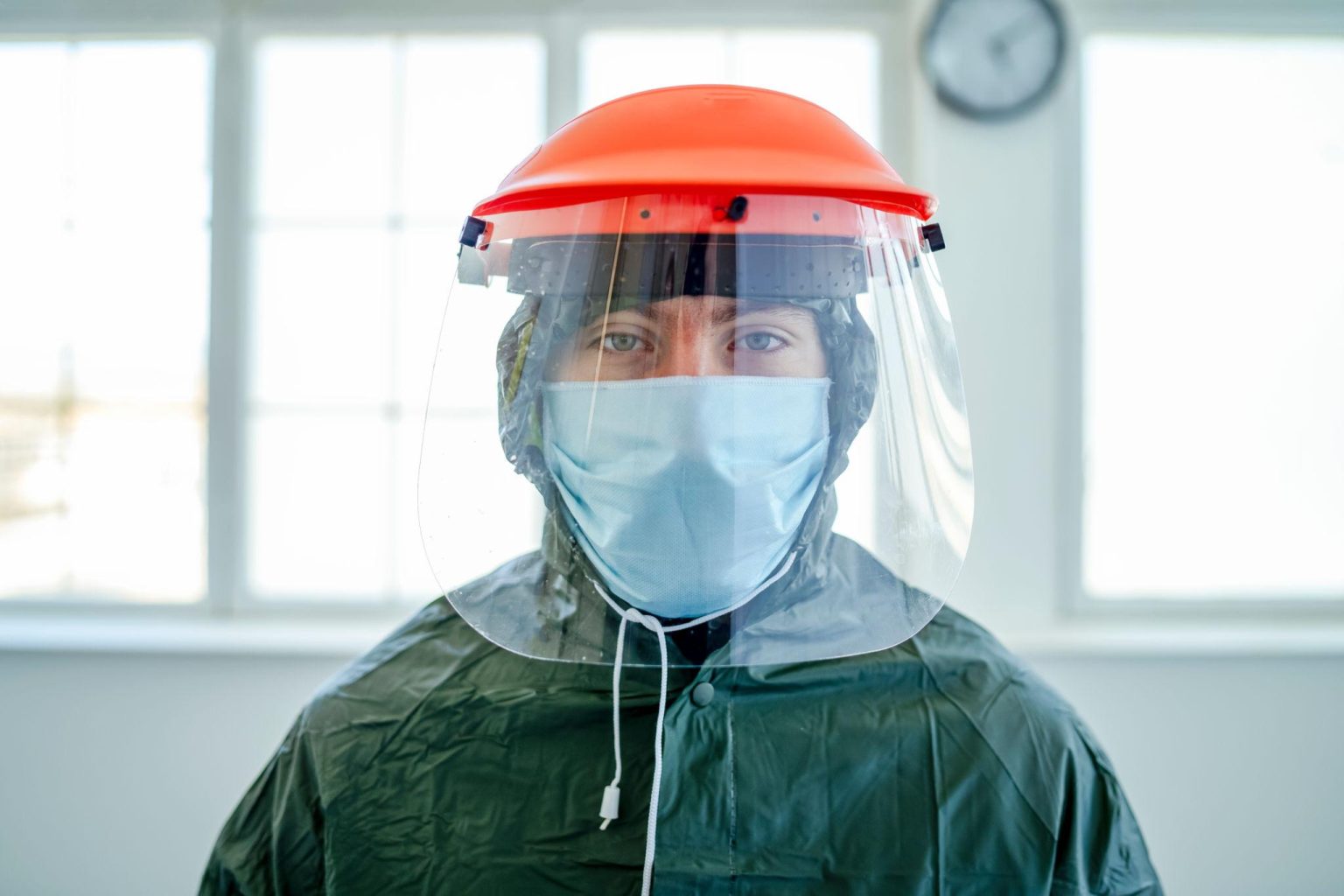
Prague, Czech Republic – May 20, 2026 – Brussels Morning Newspaper — Prague hospital emergency measures were activated in the Czech Republic after an American doctor connected to a possible Ebola exposure was hospitalized under strict isolation protocols in Prague during 2026. Czech health officials moved quickly to secure the medical facility, isolate the patient, and begin precautionary public health procedures designed to prevent any potential spread of the deadly virus.
- Czech Authorities Respond Rapidly to Potential Ebola Exposure
- Why Ebola Cases Continue to Raise International Concern
- International Health Agencies Begin Monitoring Developments
- Hospital Isolation Procedures Designed to Prevent Spread
- Global Travel Concerns Resurface After Prague Alert
- Historical Lessons Continue Shaping Modern Health Systems
- Public Confidence Depends on Transparent Communication
- Prague Ebola Monitoring Incident 2026
- Economic and Social Impact of Infectious Disease Alerts
- Medical Experts Urge Calm as Testing Continues
The incident immediately captured international attention, with infectious disease experts, airport authorities, and healthcare agencies monitoring developments closely. While officials stressed that the hospitalization was precautionary and Ebola infection had not yet been confirmed, the response highlighted the seriousness with which global health systems now treat suspected viral exposure cases.
Medical teams reportedly used specialized protective equipment as the patient was transported into a secured infectious disease area inside the Prague hospital. Authorities also began reviewing recent travel and contact history connected to the case.
Czech Authorities Respond Rapidly to Potential Ebola Exposure
The Czech Republic’s public health system launched emergency containment procedures within hours of receiving information about the possible Ebola-related exposure. Officials temporarily restricted access to sections of the hospital while infectious disease specialists evaluated the patient.
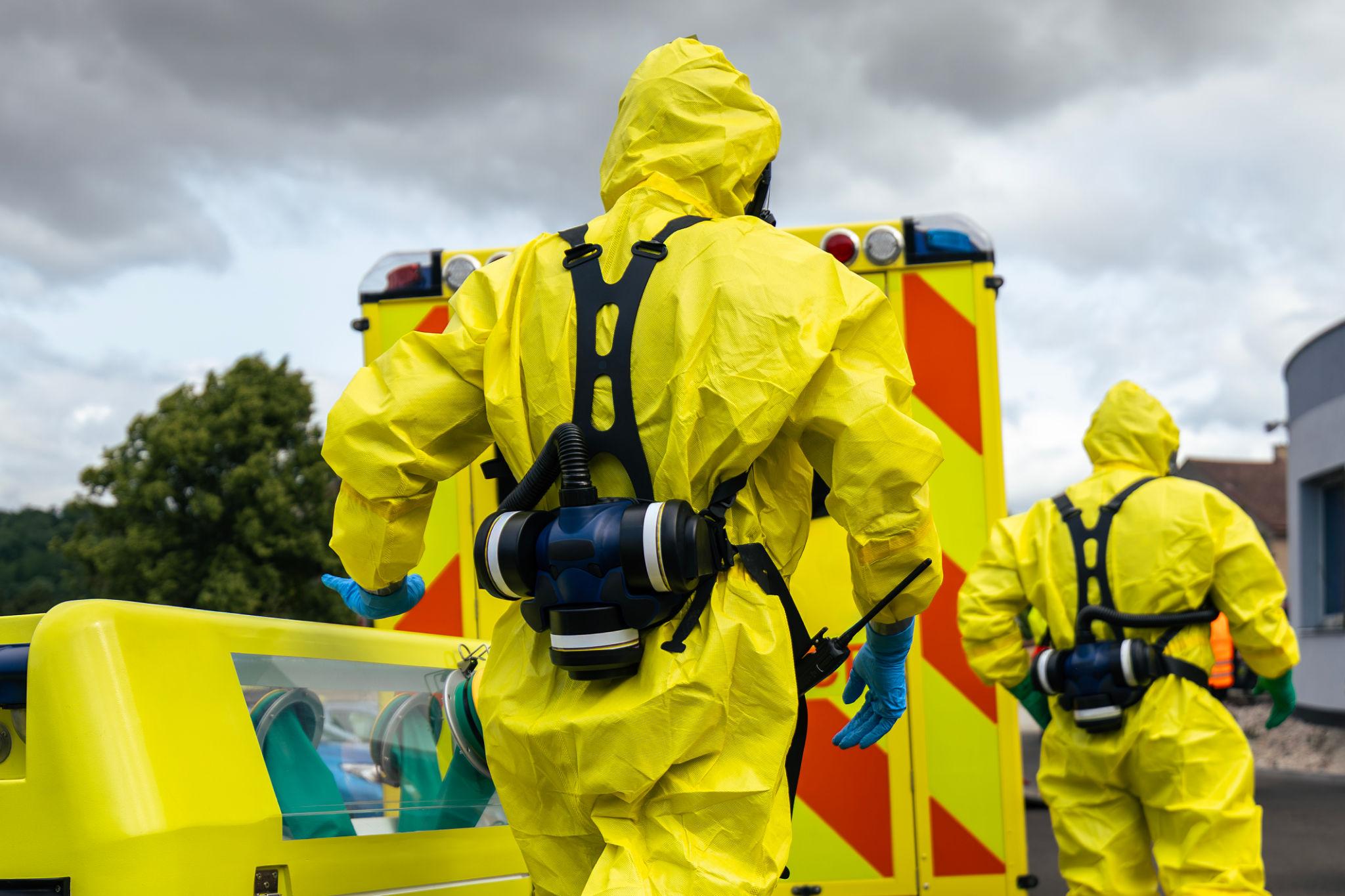
Emergency response vehicles and medical personnel wearing protective suits were seen outside the facility as local and international media gathered near the hospital entrance. The rapid reaction demonstrated how seriously European healthcare systems now approach infectious disease threats involving international travel.
A Czech health official stated:
“The patient was isolated immediately according to established international infectious disease protocols.”
The response aimed to reassure residents while emphasizing that authorities were taking every precaution necessary.
Why Ebola Cases Continue to Raise International Concern
Ebola remains one of the world’s most feared infectious diseases because of its severe symptoms and historically high fatality rates during outbreaks. The virus spreads through direct contact with infected bodily fluids and requires immediate containment whenever exposure is suspected.
Health experts noted that even a single possible exposure can trigger significant international attention because of the speed at which public concern develops during global health alerts.
Symptoms of Ebola can include:
- Fever
- Fatigue
- Muscle pain
- Vomiting
- Internal bleeding in severe cases
- Severe weakness and dehydration
Doctors stress that Ebola is not airborne under normal conditions, meaning containment is highly effective when proper medical isolation measures are implemented quickly.
International Health Agencies Begin Monitoring Developments
The Prague hospital emergency quickly became a topic of concern among international health organizations and European disease monitoring agencies. Cross-border communication systems were activated to ensure coordination between healthcare authorities.
Medical analysts say rapid information sharing is now considered one of the most important tools in preventing infectious disease escalation.
Officials reportedly reviewed airline travel records and transportation history connected to the patient in order to identify anyone who may require monitoring.
Public health specialists continue emphasizing that global preparedness systems are significantly stronger today than during major Ebola outbreaks seen in previous decades.
Hospital Isolation Procedures Designed to Prevent Spread
Specialized isolation units are designed specifically to manage high-risk infectious diseases. Hospitals handling suspected Ebola cases follow strict sanitation and protective equipment standards to protect both healthcare workers and the public.
Medical staff entering isolation areas typically wear:
- Full-body protective suits
- Respiratory protection
- Face shields
- Double-layer gloves
- Specialized contamination barriers
Healthcare systems across Europe strengthened these procedures significantly after previous global outbreaks exposed weaknesses in emergency preparedness.
The incident in Prague is now being viewed as a real-world test of those upgraded response systems.
Global Travel Concerns Resurface After Prague Alert
The case also reignited public debate surrounding international travel screening and airport health checks. Travelers across Europe reacted with concern online as reports of the hospitalization spread rapidly through news outlets and social media platforms.
Some infectious disease experts have called for expanded traveler screening procedures involving regions associated with recent outbreaks of dangerous viruses.
However, airline officials and European health agencies warned against panic, emphasizing that precautionary hospitalization is standard practice in situations involving possible Ebola exposure.
A European infectious disease researcher explained:
“Preparedness and rapid isolation are the strongest protections against wider public risk.”
That message became central to official communication efforts aimed at maintaining public calm.
Historical Lessons Continue Shaping Modern Health Systems
Historical Cycles of Global Ebola Preparedness
| Year | Region | Key Lesson Learned |
|---|---|---|
| 2014 | West Africa | Faster global coordination needed |
| 2015 | Europe & US | Improved hospital isolation systems |
| 2018 | Congo Region | Expanded vaccine and treatment efforts |
| 2020 | Global Pandemic Era | Stronger emergency preparedness funding |
| 2026 | Prague, Czech Republic | Focus on rapid travel-related response |
Public health agencies around the world have invested heavily in emergency preparedness since earlier Ebola outbreaks and the COVID-19 pandemic. Hospitals now maintain specialized infectious disease response systems designed to quickly isolate and monitor high-risk patients.
Public Confidence Depends on Transparent Communication
Health communication experts say transparency remains critical during situations involving dangerous infectious diseases. Officials in Prague have continued providing updates while emphasizing that no widespread public threat currently exists.
Medical professionals warn that misinformation and online rumors can create unnecessary panic during public health investigations.
Authorities are encouraging the public to rely on verified information from healthcare agencies rather than unconfirmed social media claims.
The Prague hospital emergency response has become an example of how governments attempt to balance public awareness with calm communication.
Prague Ebola Monitoring Incident 2026
Key Details
- Location: Prague, Czech Republic
- Incident Type: Precautionary Ebola-related hospitalization
- Patient: US doctor linked to possible exposure
- Public Risk Level: Currently low
- Medical Status: Isolation and evaluation ongoing
- Primary Response Actions: Contact tracing, testing, containment procedures
Structured response systems like these are designed to contain potential threats before broader public exposure becomes possible.
Economic and Social Impact of Infectious Disease Alerts
Even precautionary health alerts can affect tourism, transportation, and public confidence. Financial analysts often monitor infectious disease developments because travel and hospitality industries can experience immediate reactions.
Hotels, airlines, and tourism businesses sometimes report temporary disruptions whenever international health scares dominate global headlines.
Social media amplification also increases public attention during high-profile cases, making crisis communication strategies even more important.
Experts say governments now recognize that economic stability and public trust are closely linked during emergency health situations.
Medical Experts Urge Calm as Testing Continues
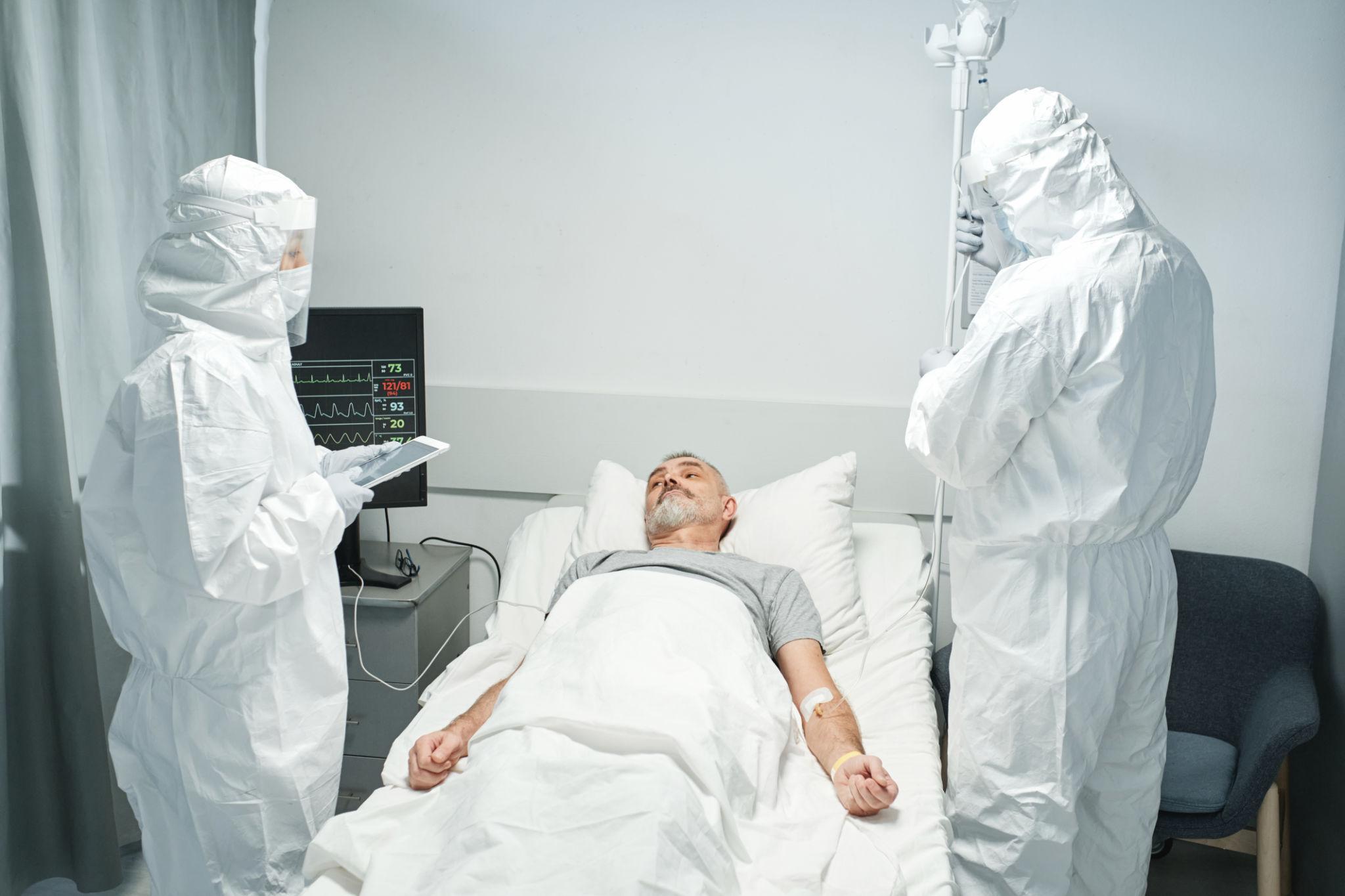
Doctors continue emphasizing that precautionary hospitalization does not automatically mean Ebola infection has been confirmed. Laboratory testing and medical observation remain standard procedures whenever high-risk exposure is possible.
Healthcare workers in Prague remain under strict protective protocols while specialists evaluate the patient’s condition.
Another infectious disease expert stated:
“Modern containment systems are far stronger than they were a decade ago, and rapid response saves lives.”
That perspective reflects growing confidence in modern international health coordination systems.