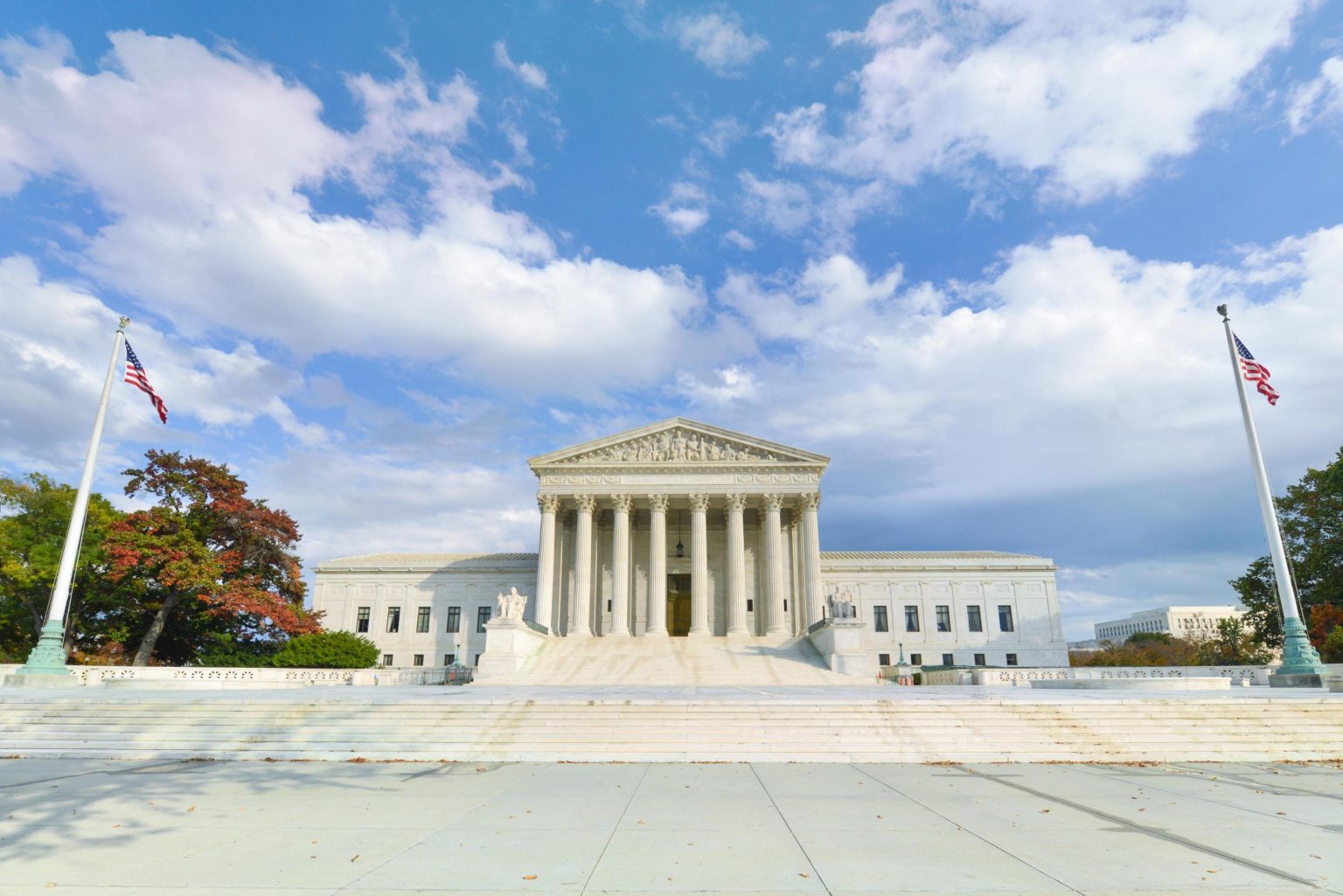
Washington, DC, 31 August (Brussels Morning Newspaper) – Republican campaign committees have asked the US Supreme Court to restore access to cheaper political ad rates, escalating a legal dispute that could affect campaign spending ahead of the 3 November midterm elections.
The National Republican Senatorial Committee (NRSC) and National Republican Congressional Committee (NRCC) are seeking an emergency stay after the Fourth US Circuit Court of Appeals blocked a Federal Communications Commission policy extending discounted television and radio advertising rates to party and joint fundraising committees.
The dispute comes during a crucial period when campaigns are preparing significant advertising spending in competitive congressional races.
Why did Republicans take the political ad rates dispute to court?
The FCC had sought to extend the “lowest unit charge” benefit, which requires broadcasters to provide qualifying political advertising at favourable rates during specified periods before elections.
The Fourth Circuit blocked the policy on 25 August in a 2-1 decision following a challenge brought by Democratic candidates.
Republican committees argue that the legal landscape changed after the Supreme Court struck down federal restrictions on coordinated spending between political parties and candidates in June.
In their emergency application, the committees said losing access to discounted advertising would cause financial harm during the final stages of the campaign. Reuters reported that they had already committed tens of millions of dollars to advertising based on the FCC policy.
The US government is supporting their request for a stay, placing the issue directly before the Supreme Court as campaigning intensifies.
What could Republicans face if the Supreme Court rejects the request?
If the justices refuse to intervene, the Fourth Circuit decision would remain in effect while the wider legal dispute continues.
Republican committees could consequently face higher broadcast advertising costs and may have to reconsider how campaign funds are allocated during the final weeks before voters go to the polls.
The financial implications could be substantial. Reuters reported that projected broadcast television spending could reach $5.6 billion during the 2026 election cycle.
Higher political ad rates could reduce the amount of television and radio advertising committees can purchase with their existing campaign funds, particularly in expensive and closely contested races.
What happens next for the Republican committees?
The Supreme Court must decide whether to grant the emergency stay requested by the Republican committees.
If the request succeeds, the committees could retain access to discounted advertising arrangements while further legal proceedings continue. If it is rejected, the appeals court ruling would remain in force.
The immediate Supreme Court decision will therefore determine how the disputed advertising rules operate during a critical period of the 2026 midterm campaign, rather than finally resolving every legal question surrounding the FCC policy.