Brussels, 30 September, (Brussels Morning Newspaper) – The European Commission has proposed an EU Critical Communication System designed to give police, firefighters, emergency medical teams and civil protection authorities secure, resilient communications across European borders during crises.
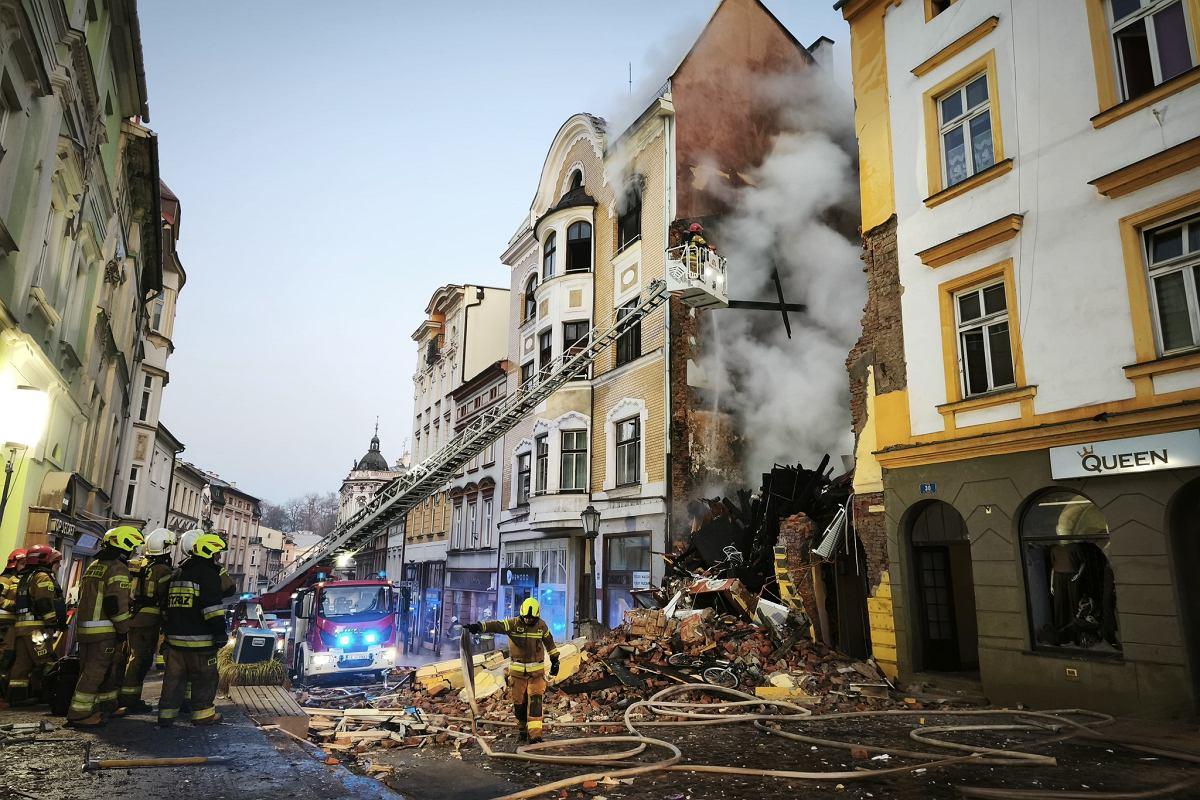
The proposal, presented on Wednesday, aims to address a longstanding weakness in European emergency response: national critical communications networks are not currently fully interconnected or technically compatible. That can make rapid cross-border coordination more difficult during wildfires, floods, terrorist attacks and other major emergencies.
New system would connect 31 European countries
The proposed network would cover EU member states and Schengen-associated countries, connecting existing national systems rather than replacing national control over them.
According to the Commission, all 31 participating countries would gradually move from narrowband radio systems towards broadband technologies such as 5G. The network would allow responders to exchange voice communications alongside data, video, messages and geolocation information in real time through secure devices.
Satellite connectivity would provide additional resilience when terrestrial networks are unavailable, including during blackouts or other major infrastructure failures.
The Commission has previously identified IRIS² and other satellite capabilities as important backup infrastructure for European critical communications.
EU plans additional cybersecurity protection
The EU Critical Communication System would also include dedicated European monitoring infrastructure.
A planned EU Network Monitoring Centre would support a resilient optical-fibre network linking participating countries, while an EU Security Monitoring Centre would monitor cybersecurity risks, assess threats and assist national authorities.
The Commission said encryption and security protocols would protect the system against cyber and hybrid threats. Member states would retain control over their national networks, with governance of the European system handled through a national experts group.
Commission links project to European security
The Commission says the system is intended to strengthen Europe’s ability to respond collectively when emergencies cross national borders.
The proposal also has an industrial and strategic dimension. Critical components, including satellite infrastructure, core mobile-network technology and mobile broadband systems, are intended to rely on European-developed technology, reducing dependence on non-European suppliers.
The initiative follows commitments contained in the EU’s ProtectEU Internal Security Strategy. That strategy identified isolated national communications networks as a weakness because emergency personnel can face difficulties communicating with counterparts when operating across borders.
Emergency services could gain faster coordination
For emergency authorities, interoperability could become particularly important during large-scale incidents requiring assistance from several countries.
Firefighters responding to cross-border wildfires, police dealing with security incidents and medical or civil protection teams deployed abroad could use compatible communications without relying on temporary arrangements between separate national networks.
The Commission says better real-time information sharing should improve situational awareness and coordination between services.
What happens next?
The Commission’s proposal does not immediately create an operational European network. The European Parliament and the Council must first consider and adopt the proposed regulations through the EU legislative process.
If approved, implementation would take place gradually. The Commission currently plans for the transition period allowing member states to connect to the system to begin in 2030.
The EU Critical Communication System would therefore represent a long-term European infrastructure project rather than an immediate replacement for existing emergency networks, with national authorities continuing to operate their own systems while connecting them through the wider European framework.