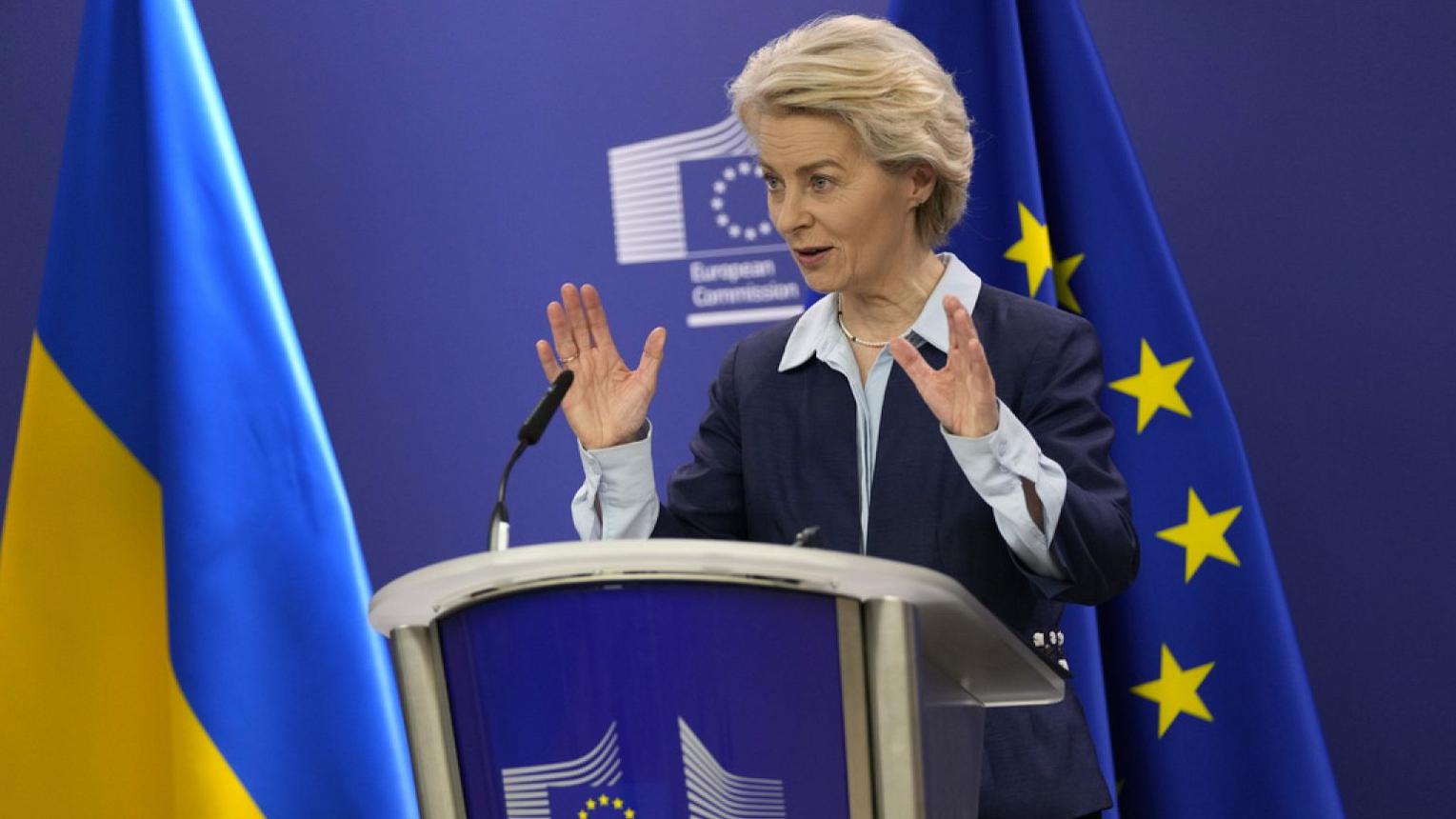
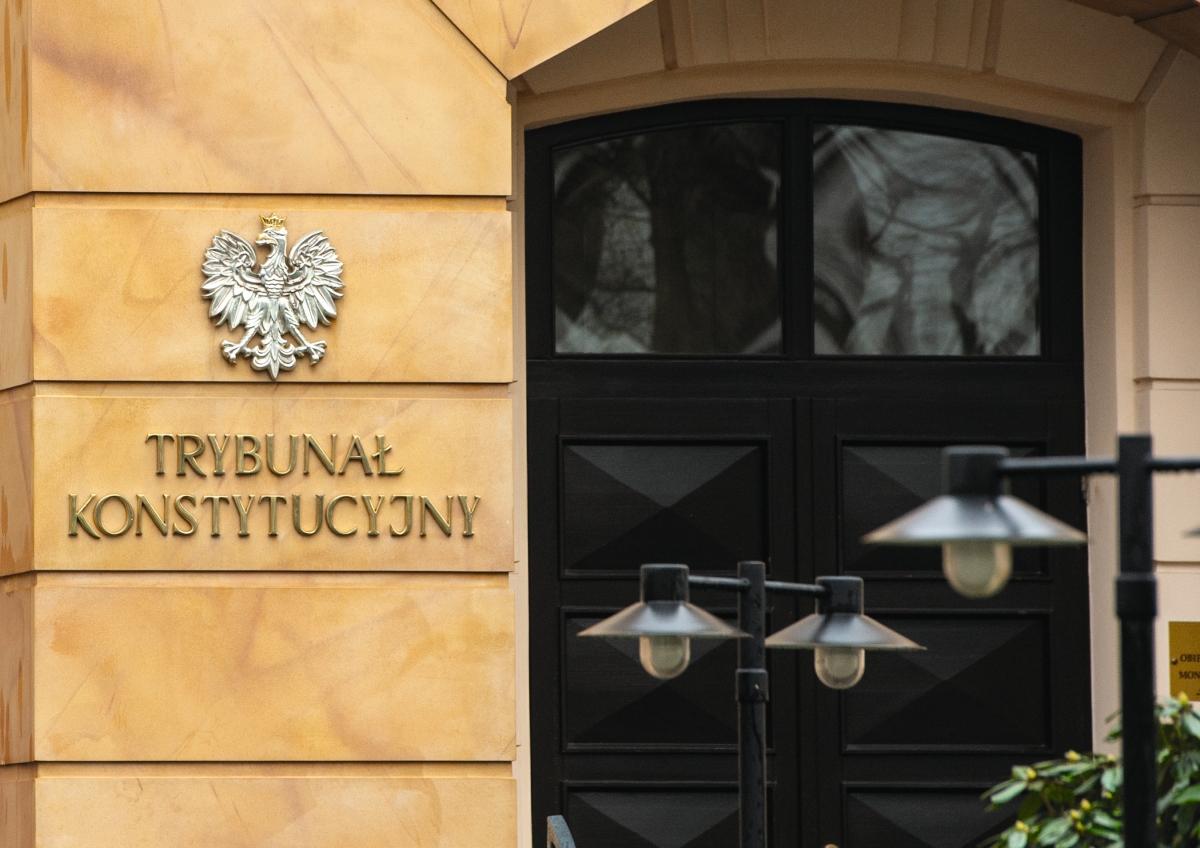
WARSAW, Poland, 1 November – Brussels Morning Newspaper – The European Commission has backed the Polish parliament’s constitutional authority to appoint judges as the Poland court dispute intensifies between Prime Minister Donald Tusk and President Karol Nawrocki. The intervention follows confrontations outside the Constitutional Tribunal in Warsaw, raising fresh concerns about judicial independence, constitutional authority and the rule of law in the European Union.
Brussels confirmed that it was closely monitoring developments after the suspension of the tribunal’s president and vice-president triggered protests and a political confrontation involving the country’s highest authorities.
The Commission’s position supports parliament’s appointment powers but does not amount to an endorsement of every action taken by Tusk’s government.
European Commission Supports Parliament’s Judicial Powers
The European Commission stated that Poland’s lower house of parliament, the Sejm, possesses constitutional authority to appoint eight new members of the Constitutional Tribunal.
A Commission spokesperson told Euronews that Polish authorities must ensure the tribunal operates in accordance with the national constitution and relevant European Union court judgments.
The spokesperson also referred to interim measures issued by the European Court of Human Rights on 5 May 2026, requiring Polish authorities not to obstruct judges appointed by parliament in March from taking up their duties.
The Commission’s intervention strengthens the legal arguments advanced by Tusk’s administration while leaving the immediate constitutional confrontation for Polish institutions to resolve.
Poland Court Dispute Triggers Protests in Warsaw
The latest crisis erupted on Friday, 30 October, after the Constitutional Tribunal announced that its longest-serving judge, Anna Korwin-Piotrowska, had suspended tribunal president Bogdan Święczkowski.
The tribunal’s vice-president, Bartłomiej Sochański, was also suspended.
The developments prompted demonstrations outside the court building, where police were deployed amid competing accusations between government supporters and opposition politicians.
President Nawrocki cut short his journey to Senegal and returned to Poland as the confrontation escalated.
He subsequently convened emergency political consultations on Saturday, citing concerns about the country’s internal security.
Tusk defended efforts to restore judicial independence, while Nawrocki and the opposition Law and Justice party challenged the legitimacy of the actions taken against the tribunal’s leadership.
Donald Tusk Defends Constitutional Reforms
In a televised address on Saturday, Tusk rejected demands for compromise over what he described as violations of Poland’s constitutional order.
The prime minister maintained that parliament had lawfully appointed new judges and accused political opponents of obstructing their ability to assume office.
He argued that restoring stability must not involve accepting unlawful conduct or intimidation.
Meanwhile, the European Conservatives and Reformists group criticised the government’s handling of the confrontation.
ECR co-chair Nicola Procaccini accused the administration of undermining judicial independence and called for consistent European scrutiny of the situation.
The competing statements underline the political divisions surrounding Poland’s judicial reforms.
Judicial Independence Remains a Longstanding EU Concern
The confrontation follows more than a decade of disagreements over Poland’s Constitutional Tribunal.
The dispute began in 2015 amid competing judicial appointments and intensified during the Law and Justice government’s tenure between 2015 and 2023.
European institutions repeatedly challenged changes affecting judicial independence and the authority of European law.
In December 2025, the Court of Justice of the European Union ruled against Poland over constitutional tribunal judgments and deficiencies concerning the court’s independence and composition.
That ruling forms part of the broader legal background to the latest confrontation.
What Happens Next in Poland’s Constitutional Crisis?
The immediate question is whether the judges appointed by parliament will be able to exercise their duties and whether the tribunal can resume functioning without further confrontation.
The European Commission is continuing to monitor developments, while Polish political leaders remain divided over the legality of the suspensions and judicial appointments.
For Polish citizens, the dispute raises questions about constitutional oversight, legal certainty and the independence of institutions responsible for reviewing legislation.
For the European Union, the crisis represents another test of its ability to uphold judicial independence while respecting the constitutional responsibilities of member states.
No final political settlement has been announced, and the Commission has not endorsed the contested suspensions of the tribunal’s leadership.