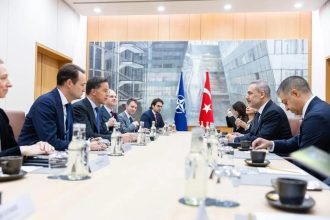
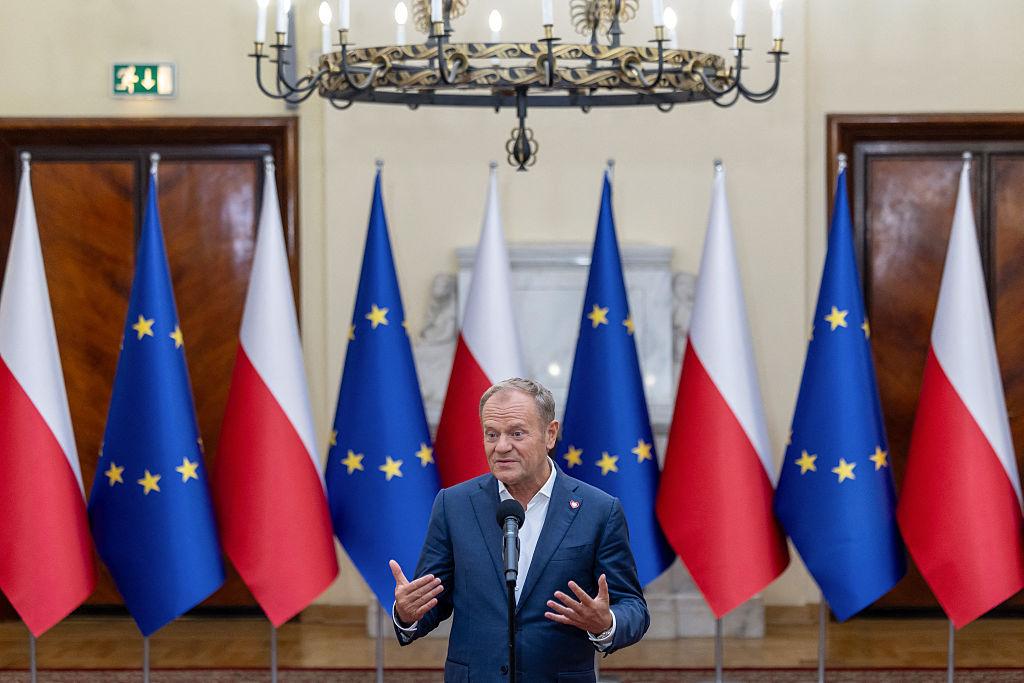
WARSAW, Poland – May 18, 2026 – Brussels Morning Newspaper — NATO military spending has become one of the most closely watched issues in global politics after Polish Prime Minister Donald Tusk warned that transatlantic unity must survive a difficult and increasingly unstable geopolitical period. His comments come as NATO countries continue expanding defense budgets, modernizing military systems, and strengthening alliance coordination amid rising global tensions.
- Poland Emerges as a Leading NATO Defense Voice
- NATO Members Increase Defense Budgets
- Economic Pressure Creates Political Debate
- NATO Expands Modern Military Capabilities
- Transatlantic Unity Remains a Core Priority
- Eastern Europe Drives Defense Priorities
- Historical Cycles of NATO Military Spending
- Cybersecurity Threats Increase Defense Focus
- Energy Security Shapes NATO Strategy
- Public Opinion Influences Defense Policy
- NATO Military Spending 2026
- Global Competition Continues Intensifying
The renewed focus on military spending reflects growing concerns among Western governments regarding regional security, cyber warfare, defense readiness, and strategic competition involving major global powers.
Security analysts say the current environment has forced NATO members to reconsider long-term defense priorities while balancing economic pressure and political uncertainty across Europe and North America.
Poland Emerges as a Leading NATO Defense Voice
Poland has become one of NATO’s strongest advocates for increased military readiness and alliance coordination in recent years. Following heightened security concerns across Eastern Europe, Warsaw dramatically expanded defense spending and accelerated military modernization programs.
The Polish government continues arguing that NATO military spending remains essential for maintaining regional stability and deterring future threats.
Poland’s strategic geographic location near Eastern Europe has increased its influence inside NATO discussions surrounding defense infrastructure, troop deployments, and military preparedness.
One European defense analyst explained:
“Poland views defense spending as a necessity, not a political option.”
That position has increasingly shaped broader NATO strategy discussions.
NATO Members Increase Defense Budgets
Several NATO countries have significantly increased defense budgets since regional conflicts intensified global security concerns. Governments throughout Europe continue investing in advanced military systems, cybersecurity programs, missile defense technology, intelligence operations, and border protection.
The alliance has also expanded military exercises and coordination efforts across member nations.
Analysts say NATO military spending has accelerated due to multiple factors, including:
- Regional military tensions
- Cybersecurity threats
- Defense modernization needs
- Energy infrastructure protection
- Intelligence cooperation
- Rising geopolitical competition
The expansion of military investment reflects concerns that future global conflicts may involve more advanced technologies and broader strategic risks.
Economic Pressure Creates Political Debate
While NATO military spending continues rising, governments also face increasing economic pressure from inflation, slower growth, public debt concerns, and rising social spending demands.
Some political leaders support stronger defense budgets as necessary protection against international instability. Others argue governments must carefully balance military investment with healthcare, infrastructure, and domestic economic priorities.
The debate has become especially important in Europe, where several countries are attempting to strengthen defense capabilities while managing economic uncertainty.
Security experts warn that weakening military preparedness could create greater long-term risks if geopolitical tensions continue escalating.
NATO Expands Modern Military Capabilities
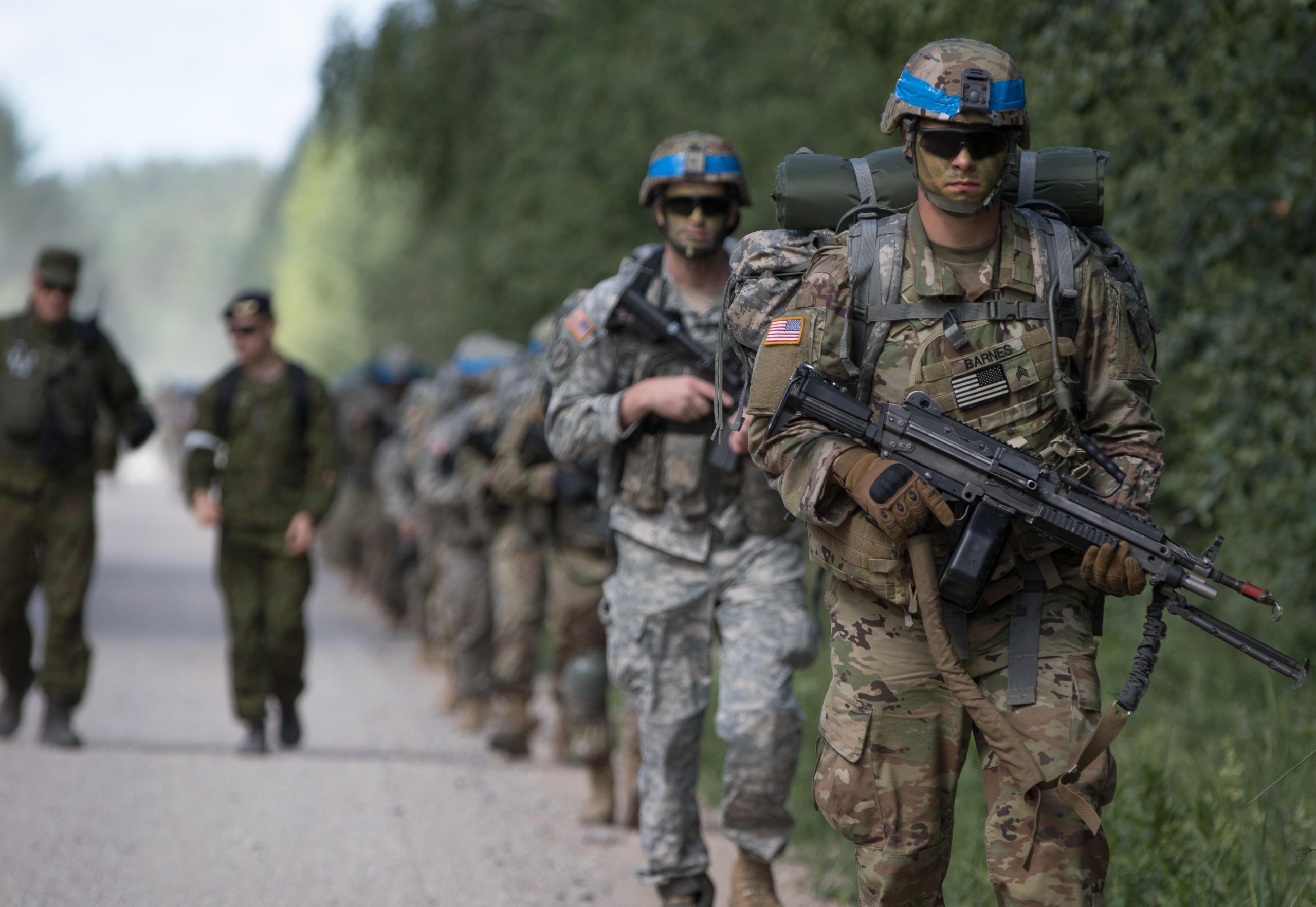
The NATO alliance continues investing heavily in advanced military technologies designed to address evolving global threats. Defense modernization now includes:
- Artificial intelligence systems
- Cyber defense operations
- Drone warfare technology
- Missile defense systems
- Satellite intelligence
- Naval modernization
- Air defense expansion
Military planners increasingly believe future conflicts could involve digital infrastructure attacks, cyber warfare, and autonomous systems alongside traditional military operations.
As a result, NATO military spending now extends far beyond conventional troop deployment and weapons acquisition.
Transatlantic Unity Remains a Core Priority
Prime Minister Donald Tusk’s comments emphasized the importance of preserving cooperation between Europe and North America despite political and economic disagreements.
Transatlantic unity remains central to NATO’s strategic structure because the alliance depends heavily on coordinated defense planning, intelligence sharing, and military cooperation between the United States, Canada, and European members.
Political analysts say alliance cohesion will remain critical as NATO responds to increasingly complex international security challenges.
One international affairs expert recently stated:
“NATO’s strength depends as much on political unity as military capability.”
That view continues influencing diplomatic discussions among alliance members.
Eastern Europe Drives Defense Priorities
Eastern European countries have become increasingly influential in shaping NATO security priorities due to their proximity to regional conflicts and strategic military concerns.
Poland, the Baltic states, and other Eastern European members have repeatedly called for stronger deterrence policies and expanded NATO readiness.
Several governments in the region continue supporting permanent troop deployments, enhanced border protection, and expanded military infrastructure investments.
The shift has influenced NATO’s broader strategic planning across Europe.
Historical Cycles of NATO Military Spending
History of NATO Defense Expansion
| Year | Major NATO Event | Defense Impact |
|---|---|---|
| 1949 | NATO established | Western military alliance formed |
| 1980s | Cold War military buildup | Defense budgets increased sharply |
| 2001 | Global anti-terror operations expanded | Security spending accelerated |
| 2022 | Ukraine conflict intensified | European defense budgets surged |
| 2026 | Poland warns about alliance risks | NATO modernization continues |
The history of NATO demonstrates how military spending often rises during periods of heightened geopolitical uncertainty and international instability.
Cybersecurity Threats Increase Defense Focus
Cybersecurity has become one of NATO’s fastest-growing strategic concerns. Governments increasingly fear attacks targeting infrastructure, financial systems, communication networks, transportation systems, and military operations.
As digital threats expand globally, NATO members are investing heavily in cyber defense capabilities and intelligence-sharing systems.
Security analysts believe cyber warfare could become one of the defining challenges of future military conflict.
That reality has significantly influenced NATO military spending priorities throughout recent years.
Energy Security Shapes NATO Strategy
Energy security also remains closely connected to alliance planning. European governments continue strengthening energy infrastructure protection and diversifying supply chains to reduce vulnerability during geopolitical crises.
The conflict in Eastern Europe accelerated efforts to improve energy resilience throughout the NATO alliance.
Several countries have expanded investments in renewable energy, liquefied natural gas terminals, pipeline security, and critical infrastructure protection.
Analysts say energy independence increasingly overlaps with broader national security planning.
Public Opinion Influences Defense Policy
Public support remains critical for long-term NATO military spending increases. Governments across Europe and North America must balance defense priorities with voter concerns surrounding inflation, taxes, and domestic economic conditions.
Polling in several NATO countries suggests many citizens support stronger defense preparedness due to growing international instability.
However, rising military budgets occasionally face criticism during periods of economic hardship.
Political leaders continue emphasizing the importance of explaining security risks and alliance responsibilities to voters.
NATO Military Spending 2026
- NATO members continue increasing defense budgets across Europe
- Poland remains among NATO’s highest military spenders relative to GDP
- Cybersecurity and AI defense programs are expanding rapidly
- Eastern Europe continues influencing alliance security strategy
- Transatlantic unity remains central to NATO operations
Global Competition Continues Intensifying
NATO governments continue monitoring military and technological competition involving China, Russia, artificial intelligence development, and cyber warfare capabilities.
Global defense competition has accelerated as countries invest heavily in military modernization and strategic technology systems.
Analysts believe NATO’s future effectiveness may depend on how quickly the alliance adapts to emerging global security realities.
Prime Minister Tusk’s warning reflects broader concerns that political fragmentation could weaken Western coordination during an increasingly competitive international environment.