
TEL AVIV, Israel – March 3, 2026 — Brussels Morning Newspaper confirms that a missile attack Israel experienced late Tuesday night has intensified regional tensions and triggered widespread emergency alerts across central districts. According to Israeli defense officials, multiple projectiles were detected entering national airspace, prompting immediate activation of interception systems and civil defense protocols.
The missile attack Israel authorities acknowledged unfolded during heightened regional alert levels, amplifying concerns about further escalation. Sirens echoed across Tel Aviv and surrounding communities as residents sought shelter. Initial damage assessments indicate structural impact in limited residential zones, though officials emphasize that interception systems prevented broader devastation.
Global leaders are now monitoring developments closely as diplomatic channels move swiftly to prevent a prolonged confrontation.
Immediate Military Response and Air Defense Activation
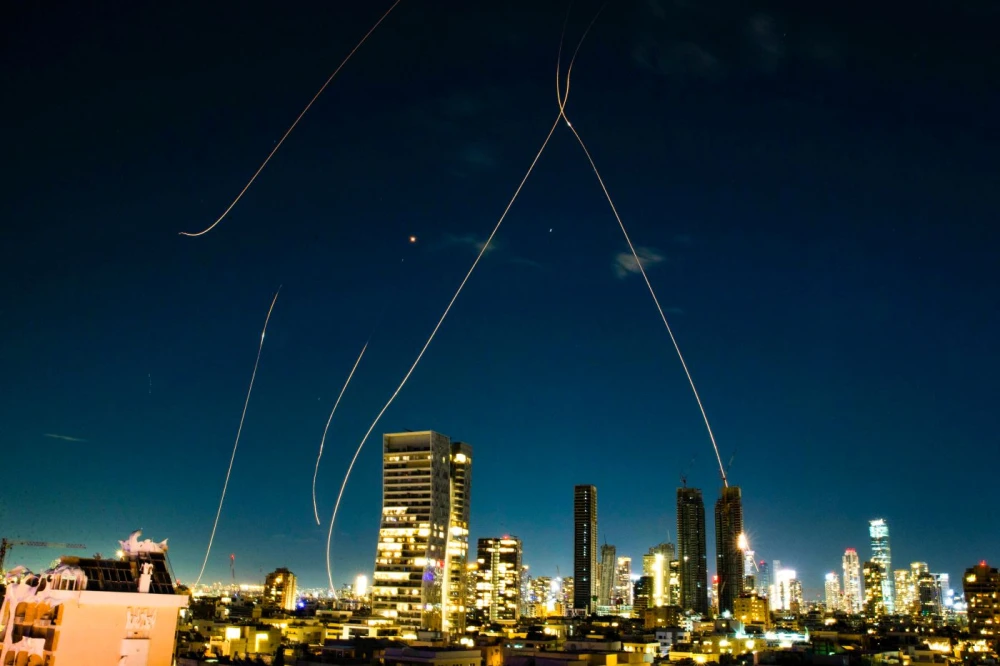
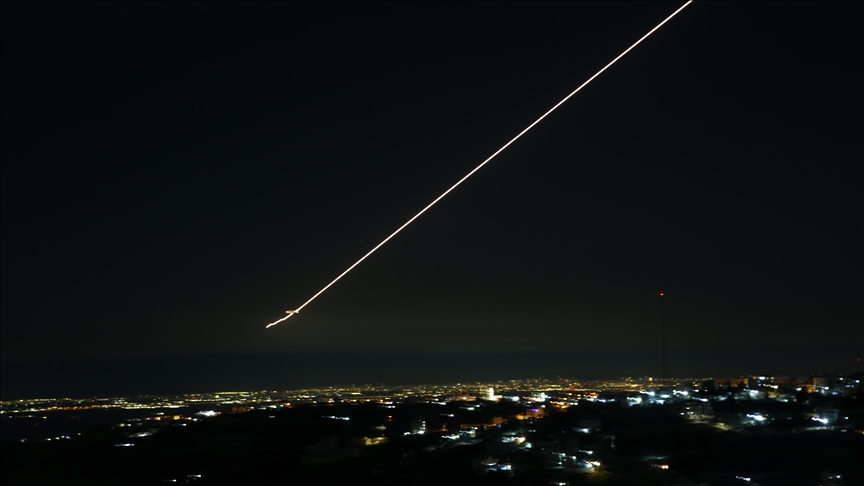
Defense authorities stated that radar networks detected incoming projectiles within seconds of launch confirmation. The missile attack Israel confronted activated layered interception systems designed to neutralize aerial threats before ground impact.
Military analysts explain that such defensive systems rely on real time tracking, predictive algorithms, and coordinated launch responses. Officials confirmed that a majority of projectiles were intercepted midair, though debris and limited impact zones were recorded.
Security briefings emphasized preparedness and operational discipline. The missile attack Israel endured tested readiness protocols that have been refined over years of regional tension. Officials declined to disclose technical performance data but affirmed confidence in overall defensive capability.
Airspace monitoring remains elevated as precautionary measures continue.
Civilian Impact and Emergency Coordination
Local emergency services mobilized immediately following confirmation of the missile attack Israel faced. Firefighters, paramedics, and structural engineers assessed damaged sites and secured affected buildings.
Authorities reported that injuries were limited and primarily related to debris and panic related incidents. Hospitals were placed on alert status but did not experience overwhelming capacity strain.
Community leaders urged calm and cooperation. Public shelters remained open overnight, and transportation routes were temporarily redirected in certain districts to facilitate emergency operations.
Municipal officials stressed transparency in communication to prevent misinformation during a sensitive security period.
Government Position and Strategic Messaging
Senior government officials convened a late night emergency session following the missile attack Israel experienced. National leadership framed the incident as a serious escalation while reiterating a commitment to defensive posture.
A senior defense spokesperson stated during a televised address,
“We are fully prepared to defend our citizens and will respond responsibly and decisively when necessary.”
Officials emphasized that any response would be guided by strategic evaluation rather than emotional reaction. The message underscored a balance between deterrence credibility and regional stability.
Security analysts suggest that measured messaging plays a critical role in preventing rapid escalation cycles.
Regional Diplomatic Activity Intensifies
The missile attack Israel encountered prompted swift diplomatic engagement across multiple capitals. Neighboring governments called for restraint while initiating consultations through established communication channels.
International mediators are reportedly engaging in behind the scenes dialogue aimed at stabilizing tensions. Several Western leaders acknowledged Israel’s right to self defense while urging proportionality and de escalation.
Global institutions expressed concern regarding potential ripple effects across trade routes and energy infrastructure.
Diplomatic observers note that rapid engagement within the first seventy two hours often determines whether crises remain contained or expand.
Strategic Calculations in a Volatile Environment
Security experts argue that the missile attack Israel endured represents more than a tactical exchange. It reflects broader strategic calculations within a complex regional framework.
Direct projectile launches carry significant symbolic weight. They signal intent and test defensive credibility. Analysts emphasize that deterrence strategies rely on both capability demonstration and controlled response.
Military readiness levels across the region reportedly increased as precautionary measures were implemented. Surveillance systems and intelligence monitoring remain active.
The key question facing policymakers is whether the incident will reshape long term strategic posture.
Economic and Energy Market Implications
Global markets responded cautiously following confirmation of the missile attack Israel faced. Energy prices experienced moderate volatility, reflecting investor sensitivity to geopolitical risk in a strategically important region.
Financial analysts note that while infrastructure disruption remains limited, prolonged instability could influence shipping lanes and trade flows.
Equity markets demonstrated resilience, suggesting investor confidence that diplomatic mechanisms may contain escalation.
Central banks and economic planners are closely monitoring developments for broader macroeconomic implications.
Intelligence Coordination and Operational Readiness
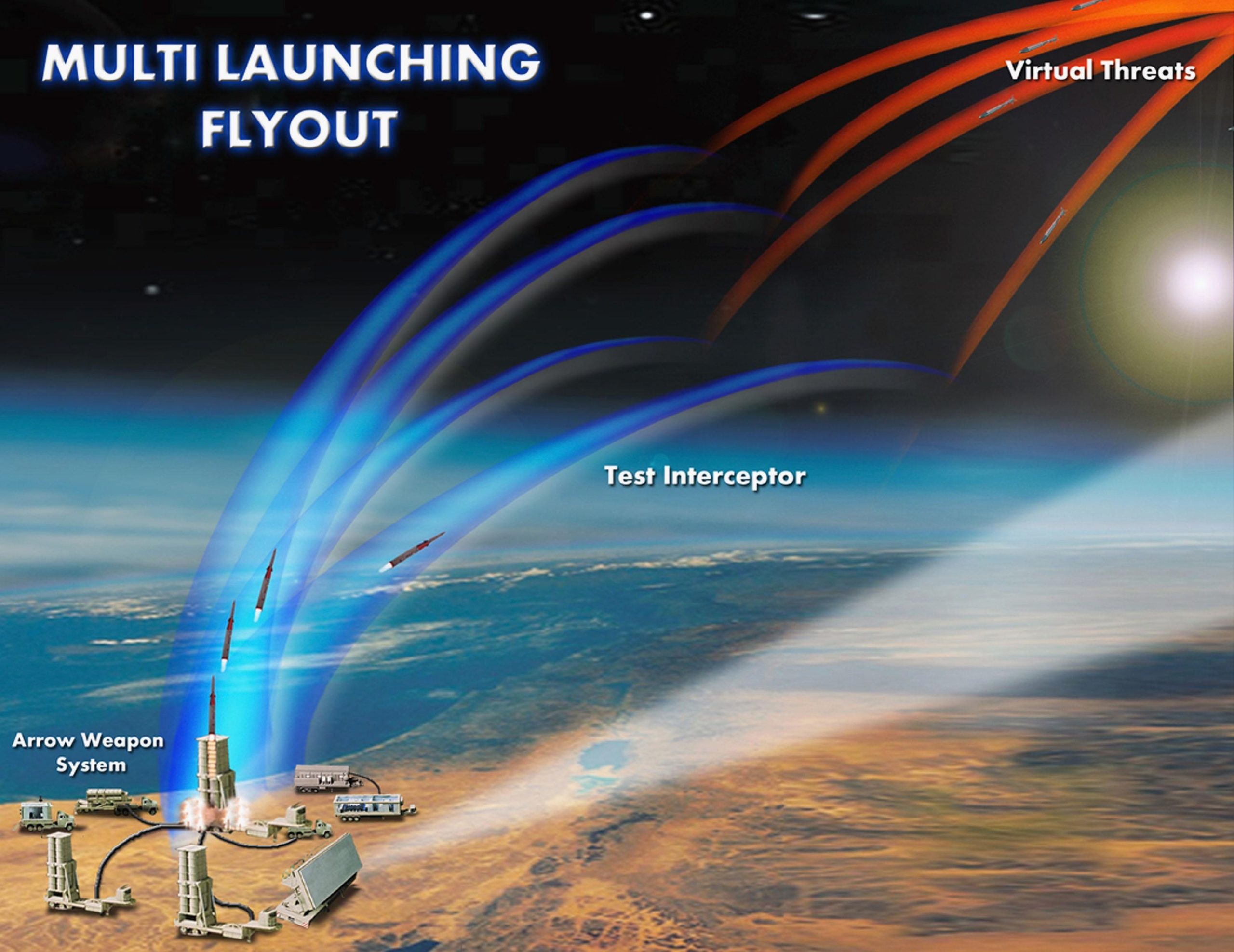
Defense specialists highlight that interception success depends on integrated intelligence networks. The missile attack Israel confronted tested not only hardware systems but also communication and coordination channels.
Operational readiness involves rapid decision making under compressed timelines. Analysts note that seconds matter in determining interception success rates.
Ongoing assessments aim to determine launch origin patterns and potential follow up threats.
Security officials remain cautious but confident in layered defense architecture.
Public Communication and Information Integrity
Transparent communication has been central to managing public response. Authorities provided frequent updates through official channels during the missile attack Israel experienced.
Misinformation risks increase during high tension events. Government spokespersons emphasized reliance on verified sources.
Schools and certain public facilities announced temporary adjustments to schedules as precautionary measures.
Community resilience initiatives focused on maintaining calm and supporting affected residents.
History of Missile Confrontations in the Region
The region has experienced periodic missile exchanges over the past decades, often tied to broader geopolitical rivalries. Historically, direct projectile incidents have sometimes been followed by swift diplomatic engagement to prevent sustained conflict.
The missile attack Israel endured fits within a complex historical pattern of deterrence, retaliation, and negotiated de escalation. Analysts note that past confrontations have demonstrated both the fragility and resilience of regional stability mechanisms.
Understanding historical context provides insight into how similar events have unfolded and how escalation has been avoided in previous instances.
International Legal and Security Considerations
International law frameworks regarding state self defense remain central to diplomatic discourse. Governments assessing the missile attack Israel confronted are weighing legal interpretations alongside strategic implications.
Security alliances may influence future diplomatic positioning. Analysts observe that regional and global partnerships shape crisis management approaches.
Legal scholars emphasize proportionality and necessity as guiding principles in state responses.
The coming days may see formal statements from multilateral institutions addressing security concerns.
Humanitarian Monitoring and Civil Protection
Humanitarian organizations are monitoring developments following the missile attack Israel faced. While immediate civilian displacement appears limited, preparedness remains essential.
Civil defense authorities reinforced shelter guidelines and emergency readiness procedures. Public education campaigns aim to enhance awareness of safety protocols.
Infrastructure inspections continue to assess potential long term impact on housing and public facilities.
Community recovery efforts are focused on rapid stabilization and support for affected households.
What the Next Phase May Hold
Security analysts widely agree that the next seventy two hours are pivotal. The missile attack Israel endured has elevated readiness levels but has not yet triggered sustained exchange.
Diplomatic engagement continues through established and informal channels. Regional intermediaries are exploring de escalation pathways.
Military officials remain vigilant, monitoring airspace and intelligence indicators for signs of further activity.
Measured responses may determine whether the situation stabilizes or intensifies.
A Defining Security Moment in 2026
The missile attack Israel experienced in March 2026 stands as one of the most consequential security events of the year in Tel Aviv. While defensive systems mitigated large scale destruction, the broader geopolitical implications remain under evaluation.
Global leaders continue urging restraint and dialogue. Financial markets remain attentive yet stable. Public institutions are focused on safety and resilience.
As Brussels Morning Newspaper continues to monitor developments, the emphasis remains on informed analysis, transparent communication, and the pursuit of stability in a complex and volatile region.