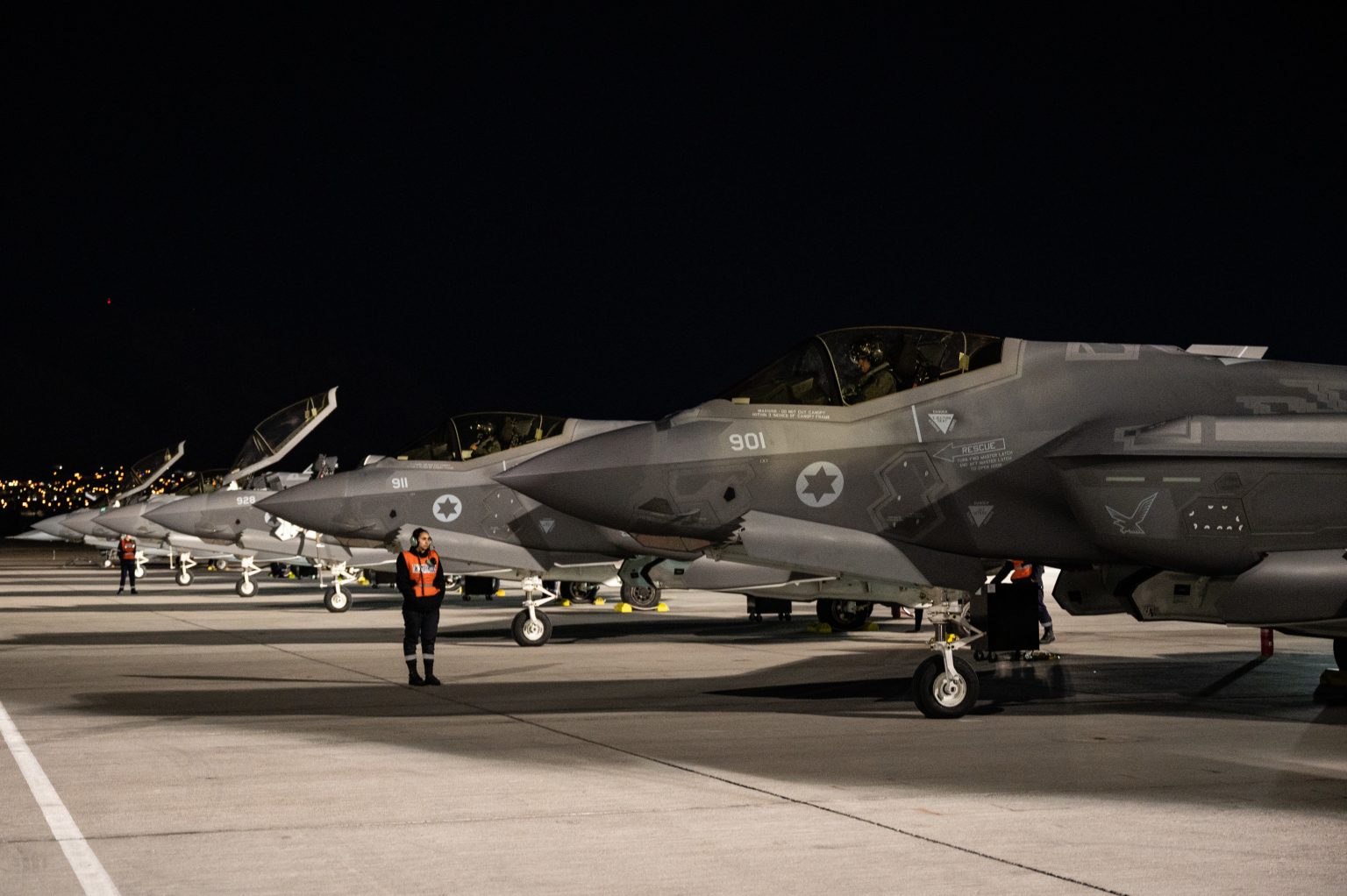
TEL AVIV, Israel – March 3, 2026 — Brussels Morning Newspaper confirms that an Israeli airstrike carried out overnight has significantly heightened tensions across the Middle East, prompting urgent diplomatic engagement and increased regional security alerts. The Israeli airstrike, described by officials as a precision operation, targeted what authorities characterized as a high value military objective linked to hostile coordination.
According to defense officials, the Israeli airstrike followed what they called credible intelligence assessments pointing to imminent threats. While operational details remain classified, senior leadership emphasized that the action was calculated and strategic.
Global attention immediately shifted to the region as governments, financial markets, and international organizations evaluated the broader implications of the Israeli airstrike.
Immediate Strategic Objectives Behind the Operation
Israeli defense authorities stated that the Israeli airstrike was executed after extensive intelligence gathering and operational planning. Military analysts explain that such missions typically require multi layered surveillance, satellite imaging, signal interception, and real time assessment.
Officials indicated the goal of the Israeli airstrike was to disrupt operational coordination believed to be advancing regional instability. They declined to release casualty figures, citing security considerations.
Security experts note that precision operations aim to balance tactical impact with controlled escalation, particularly in sensitive geopolitical environments.
Regional Security Environment Intensifies
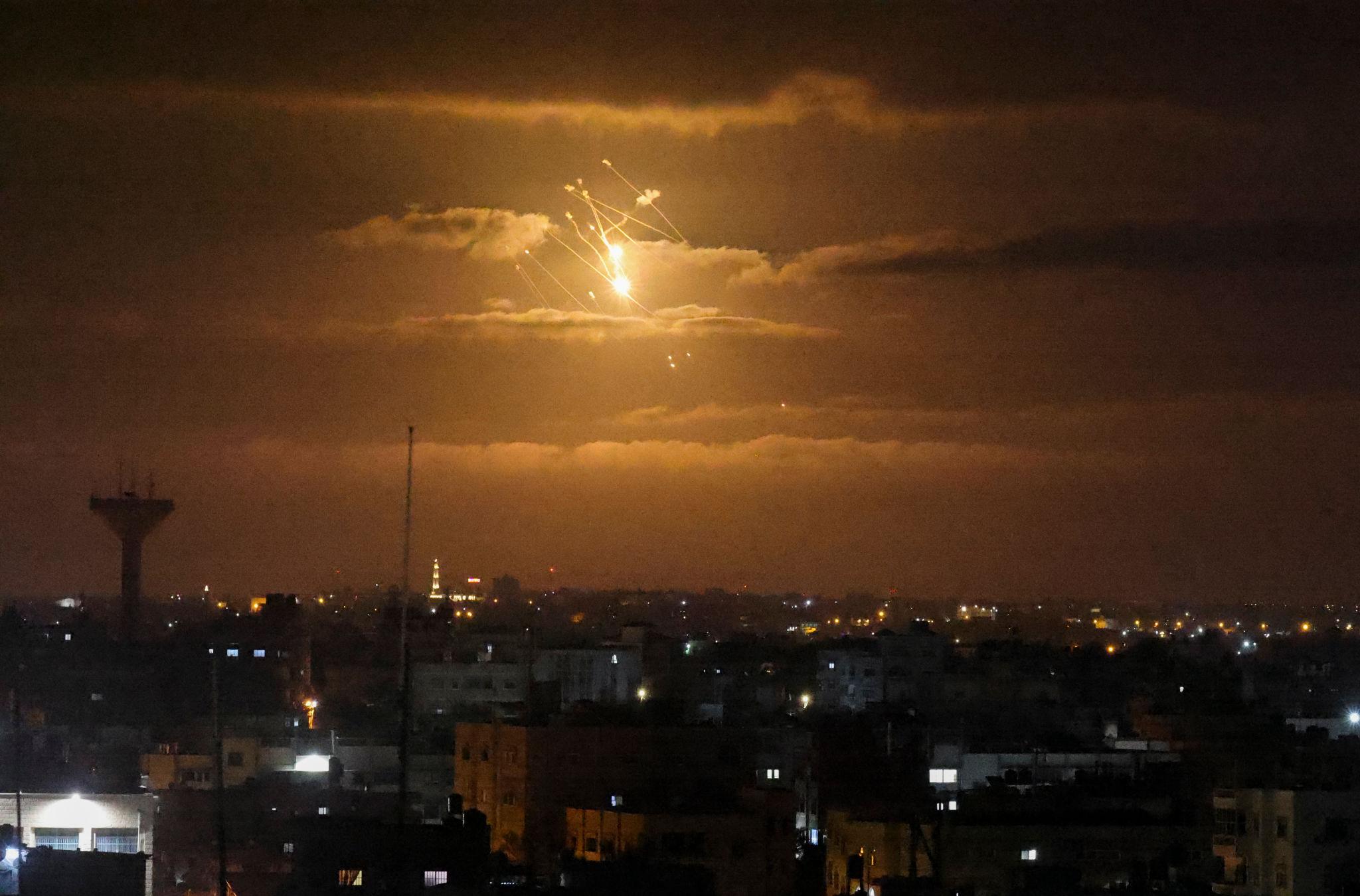
The Israeli airstrike unfolded against a backdrop of already elevated regional alert levels. Neighboring governments initiated precautionary reviews of airspace monitoring and defensive readiness.
Defense analysts suggest that a single Israeli airstrike can alter strategic calculations across multiple capitals. Military readiness in several bordering territories reportedly increased overnight as officials assessed potential ripple effects.
Energy markets reflected caution rather than panic, indicating that investors are waiting to see whether the Israeli airstrike triggers additional developments.
Official Government Position
Israeli leadership framed the Israeli airstrike as a defensive action rooted in national security doctrine. A senior official stated during a televised address,
“Our responsibility is to protect our citizens and prevent threats before they materialize.”
The statement underscored the government’s argument that the operation was preventative rather than retaliatory. Officials reiterated that decisions were based on intelligence indicating imminent risk.
Political leaders across party lines largely expressed support for maintaining national security readiness while encouraging diplomatic channels to remain open.
International Diplomatic Reactions
World leaders responded cautiously following confirmation of the Israeli airstrike. Several Western governments acknowledged Israel’s right to self defense while urging restraint to avoid escalation.
A European diplomat familiar with ongoing discussions commented,
“The priority now is de escalation and preventing a cycle of retaliation.”
The United Nations initiated consultations aimed at stabilizing the situation. Regional mediators reportedly engaged in back channel diplomacy to reduce the likelihood of broader confrontation.
Financial markets showed moderate volatility, reflecting uncertainty rather than immediate disruption.
Military and Intelligence Analysis
Defense specialists emphasize that operations like the Israeli airstrike require detailed planning and technological precision. Modern air operations integrate electronic countermeasures, reconnaissance drones, and secure communications networks.
Experts note that confirmation of the Israeli airstrike indicates confidence in operational success, though independent verification remains limited.
Strategic analysts also caution that while such operations can disrupt adversary planning, they may prompt retaliatory signaling.
Economic and Energy Market Response
The Israeli airstrike prompted close monitoring of oil supply routes and maritime corridors. While no immediate supply disruptions were reported, traders adjusted short term risk assessments.
Energy analysts observed modest price fluctuations driven by geopolitical uncertainty. Broader equity markets reacted cautiously but did not exhibit sustained sell offs.
Economists suggest that long term impact will depend on whether tensions stabilize quickly or extend into prolonged confrontation.
Humanitarian Considerations and Civil Defense
Humanitarian organizations began monitoring potential civilian impact following the Israeli airstrike. Authorities stated that minimizing unintended consequences was central to operational planning.
Emergency response systems in surrounding areas were temporarily elevated as a precaution. Local officials urged residents to rely on verified information sources.
At the time of publication, there were no confirmed reports of widespread displacement.
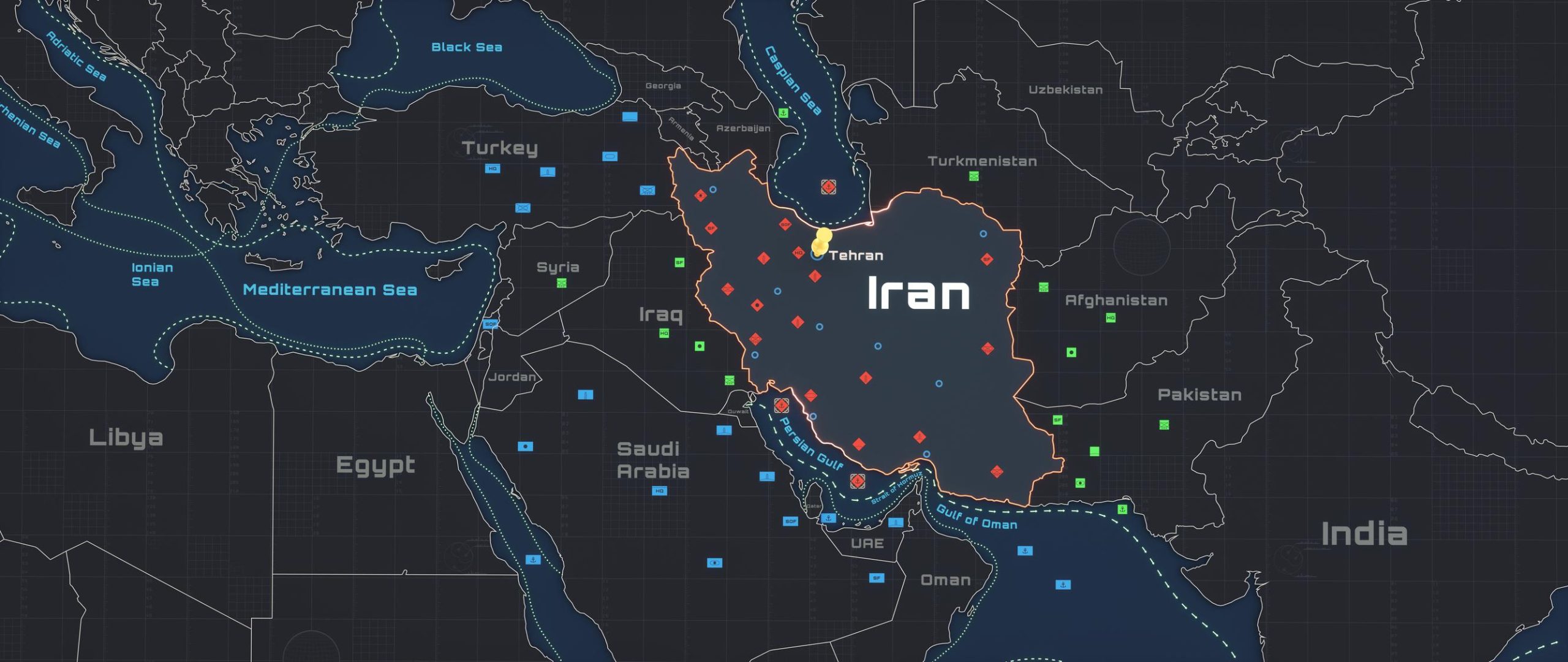
History of Direct Military Confrontations
Historically, direct engagements between Israel and regional adversaries have been rare compared to indirect confrontations conducted through cyber operations and proxy channels. Targeted air operations have periodically emerged when intelligence assessments identified strategic threats.
Past incidents demonstrate that while such actions can heighten tensions, they do not always result in sustained conflict. Observers note that the Israeli airstrike fits within a long standing pattern of deterrence based strategy aimed at preventing strategic entrenchment.
Understanding historical precedents may provide insight into potential diplomatic pathways following the current development.
Strategic Calculations in 2026
In 2026, geopolitical complexity adds additional layers to security decisions. The Israeli airstrike occurs amid shifting alliances, evolving military technology, and heightened global economic interdependence.
Analysts suggest that governments are weighing deterrence credibility against escalation risk. Maintaining stability remains a priority for regional and international actors.
One security analyst stated,
“Measured responses in the next seventy two hours will shape whether this moment remains contained or expands.”
Political Implications at Home and Abroad
Domestically, the Israeli airstrike has reinforced debates about national security priorities and defense readiness. Political leaders emphasize unity during periods of heightened tension.
Internationally, diplomatic engagement intensified as governments sought to manage perceptions and prevent miscalculation. Strategic messaging from all sides appears calibrated to signal resolve without inviting full scale confrontation.
Observers note that public communication plays a critical role in shaping both domestic support and international interpretation.
Intelligence Cooperation and Regional Alliances
Regional intelligence cooperation remains an underexamined dimension of the unfolding situation. Analysts indicate that information sharing between allied governments often shapes the timing and execution of operations like the Israeli airstrike.
Security partnerships across the region may influence diplomatic positioning in the aftermath. While details remain confidential, coordination mechanisms are likely active behind the scenes.
Such cooperation can serve as both stabilizing influence and strategic multiplier.
Market Stability and Investor Confidence
Investor confidence remains sensitive to geopolitical risk. Although the Israeli airstrike introduced uncertainty, markets appear to be awaiting further clarity before adjusting long term outlooks.
Financial strategists suggest that stability in shipping routes and energy infrastructure will determine broader economic impact. Central banks and finance ministries are monitoring developments closely.
Short term volatility remains possible if additional military actions occur.
Media, Information Flow, and Public Perception
In the digital era, real time updates shape public understanding rapidly. Officials have urged responsible information sharing to prevent misinformation from amplifying tensions.
Media organizations worldwide are verifying details as they emerge. Accurate reporting plays a critical role in maintaining public trust during moments of geopolitical sensitivity.
Information transparency may help prevent unnecessary panic.

A Turning Point or Temporary Escalation
The Israeli airstrike stands as one of the most consequential security developments of early 2026 in Tel Aviv. Whether it becomes a turning point or remains a contained episode depends largely on diplomatic restraint and strategic calculation.
Governments across the region continue to emphasize stability. Diplomatic channels remain active, and security assessments are ongoing.
As Brussels Morning Newspaper continues monitoring developments, the focus remains on measured responses that prioritize regional security and international stability.