Washington, 2026 — Questions surrounding military capability in the Western Hemisphere have resurfaced as global security debates increasingly look beyond traditional power centers. According to reporting referenced by Brussels Morning Newspaper, defense analysts and policymakers are reassessing how regional forces compare in terms of readiness, professionalism, and strategic purpose. At the center of this discussion is Latin American armies strength, a topic often misunderstood due to outdated assumptions and simplistic comparisons.
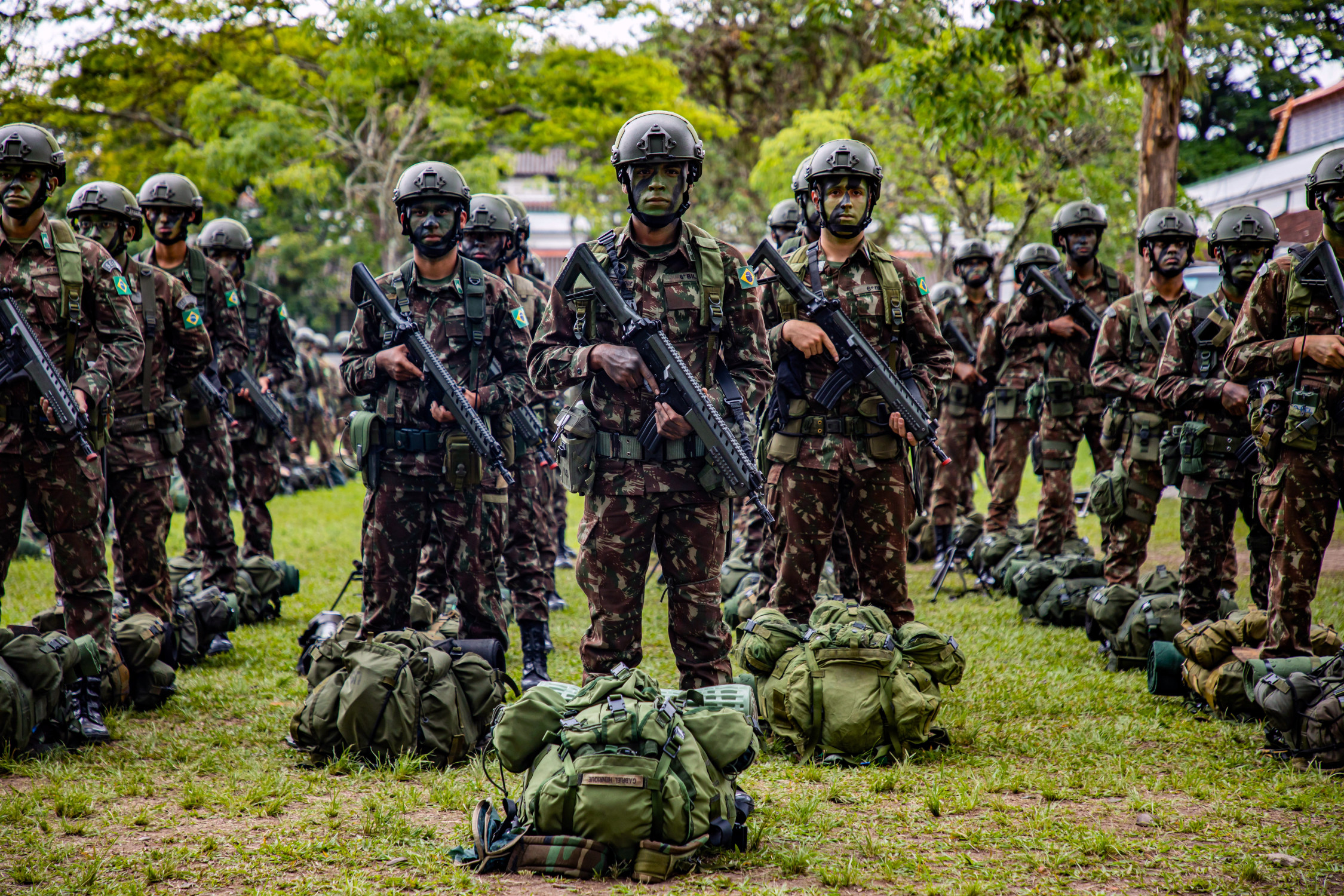
Latin America is frequently described as a region with limited military power, yet such descriptions rarely capture the full picture. While the region does not prioritize large scale external warfare, its armies play critical roles in maintaining internal stability, responding to natural disasters, securing borders, and contributing to international peacekeeping. Understanding these forces requires examining history, doctrine, resources, and evolving missions rather than focusing solely on budgets or weapon counts.
Historical Roots of Military Institutions
The foundations of modern Latin American armies were laid during independence movements of the nineteenth century. Unlike European or Asian counterparts shaped by centuries of interstate warfare, these forces emerged from struggles against colonial rule and internal fragmentation.
This history shaped a military culture focused on territorial integrity and internal order. Over time, Latin American armies strength became closely linked to nation building, infrastructure development, and political stability rather than overseas expansion.
Throughout the twentieth century, many armies were drawn into domestic conflicts and political turbulence. These experiences influenced doctrine, command structures, and civil military relations, leaving a lasting imprint on how armed forces operate today.
Defense Spending in Regional Context
Defense expenditure across Latin America remains comparatively low when measured against global averages. Governments consistently prioritize social development, healthcare, and education over military expansion.
Despite these constraints, Latin American armies strength has not diminished dramatically. Instead, forces have adapted by focusing on efficiency, selective modernization, and regional cooperation. Rather than pursuing expensive arms races, many countries invest in maintaining operational readiness and sustainability.
This approach reflects a broader strategic culture that values restraint and balance, particularly in a region largely free from major interstate wars.
Personnel Numbers and Force Composition
Latin American armies vary widely in size, reflecting differences in population, geography, and threat perception. Larger countries maintain sizable standing forces, while smaller nations rely on compact, professional units.
Personnel structures often emphasize versatility. Soldiers are trained for multiple roles, including disaster response, border security, and humanitarian assistance. This adaptability reinforces Latin American armies strength by ensuring relevance across a broad range of scenarios.
Conscription still exists in some countries, while others have transitioned fully to volunteer forces. Each model presents advantages and challenges depending on national circumstances.
Equipment and Modernization Trends
Modernization across the region has been gradual and uneven. Rather than investing heavily in cutting edge weapons systems, most armies prioritize transport, communications, surveillance, and mobility.
This pragmatic approach reflects operational realities. Enhancing Latin American armies strength often means improving logistics and command capabilities rather than acquiring high profile hardware.
Some countries have upgraded armored vehicles, artillery, and infantry equipment, while others focus on extending the service life of existing assets through refurbishment and incremental upgrades.
Training Standards and Professionalization
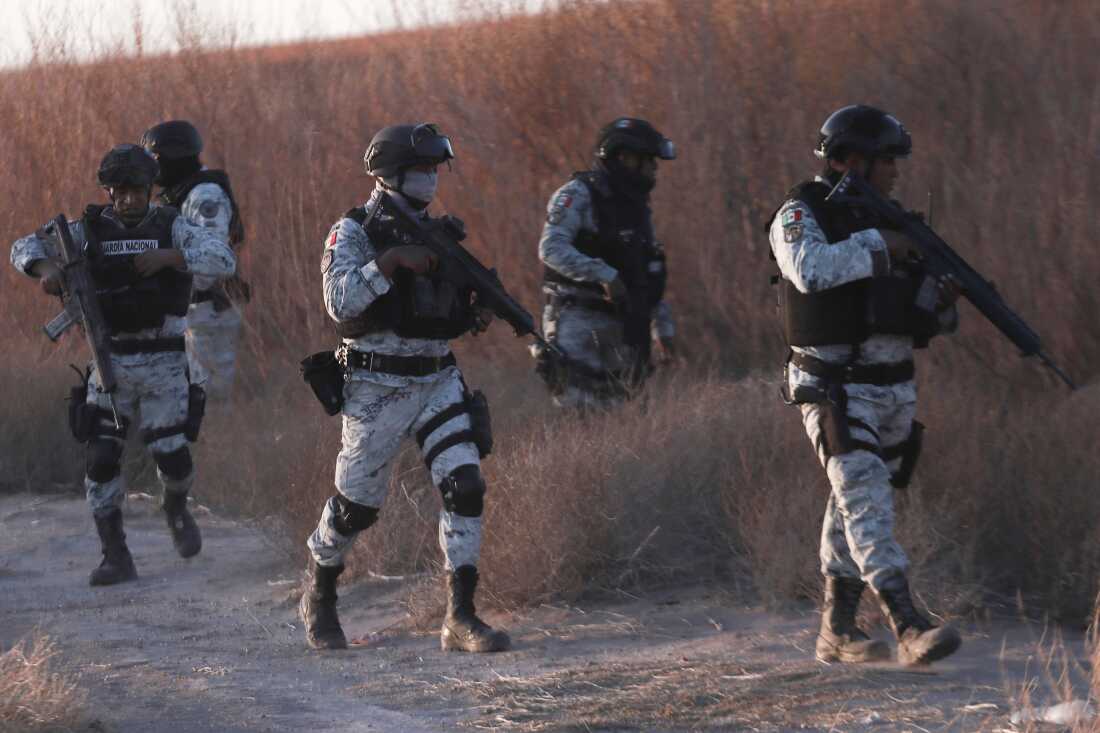
Training has emerged as a key pillar of military effectiveness. Joint exercises, regional drills, and participation in international programs have raised professional standards.
Officers frequently attend foreign military academies, bringing back new perspectives on leadership and doctrine. These exchanges have strengthened Latin American armies strength by improving interoperability and institutional learning.
Non commissioned officers play an increasingly important role, reflecting broader professionalization trends seen globally.
Role in Internal Security
A defining feature of many Latin American armies is their involvement in internal security. Governments often deploy troops to assist police in combating organized crime, protecting infrastructure, and maintaining public order.
This role is controversial but reflects regional realities. The ability to operate domestically while respecting civilian authority has become an important measure of Latin American armies strength.
Balancing security effectiveness with human rights obligations remains a constant challenge, shaping training and oversight mechanisms.
Disaster Response and Humanitarian Missions
Natural disasters such as earthquakes, hurricanes, and floods are common across Latin America. Armed forces are often among the first responders, providing logistics, engineering, and medical support.
These missions enhance public trust and demonstrate practical capability. Disaster response has become a core component of Latin American armies strength, showcasing value beyond traditional defense roles.
Such operations also improve coordination with civilian agencies and international partners.
Peacekeeping and Global Engagement
Latin American armies have contributed significantly to United Nations peacekeeping missions. Deployments in Africa and the Caribbean have provided operational experience and international visibility.
Participation in peacekeeping strengthens Latin American armies strength by exposing troops to complex environments and multinational coordination.
These missions also reinforce the region’s image as a contributor to global stability rather than a source of conflict.
Naval and Air Force Coordination
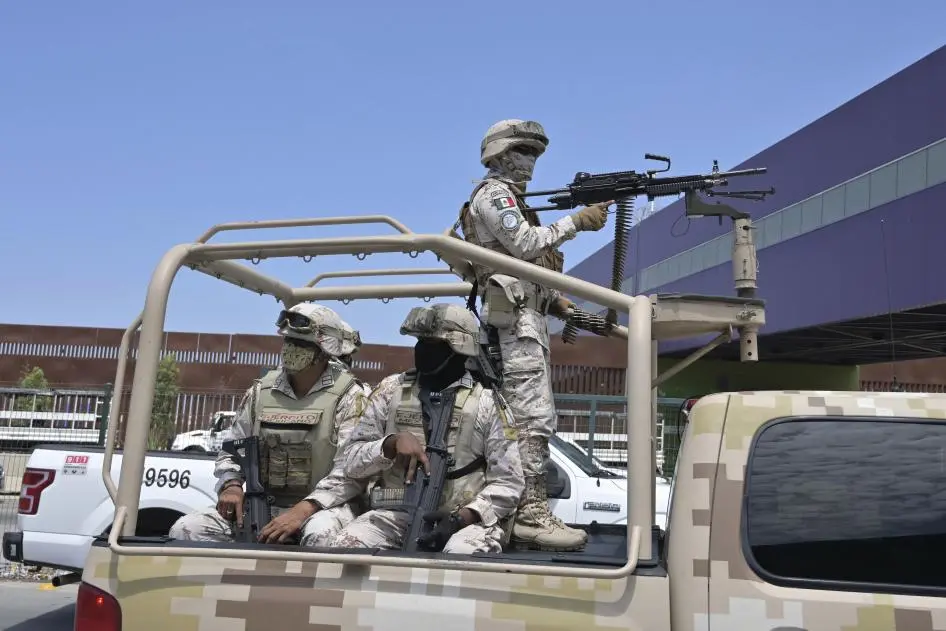
Although armies are the focus, land forces operate increasingly within joint structures alongside naval and air components. Integrated command systems enhance situational awareness and response speed.
Joint operations have improved border surveillance, counter trafficking efforts, and disaster relief. This integration amplifies Latin American armies strength by leveraging complementary capabilities.
Technology and Emerging Capabilities
Cyber defense, intelligence analysis, and unmanned systems are gaining importance. While still developing, these areas represent the future of military operations.
Investment in technology reflects recognition that Latin American armies strength must evolve with changing threat landscapes.
Digitization and data driven decision making are gradually becoming part of operational planning.
Public Perception and Democratic Oversight
Public trust in armed forces varies across the region but remains relatively strong in many countries. Visible contributions during emergencies have bolstered legitimacy.
Strong civilian oversight is essential to sustaining Latin American armies strength within democratic systems. Transparency and accountability help prevent politicization and abuse.
Civil military relations remain a key determinant of long term stability.
Economic Constraints and Defense Industry
Limited budgets constrain procurement, but some countries have invested in domestic defense industries. Local production of uniforms, vehicles, and maintenance services supports self reliance.
These initiatives contribute indirectly to Latin American armies strength by reducing dependence on foreign suppliers.
Partnerships with international firms have also facilitated technology transfer and skills development.
Comparative Global Perspective
Compared with heavily militarized regions, Latin America maintains fewer heavy weapons and lower defense spending. However, absence of major external threats reduces the need for large standing armies.
In this context, Latin American armies strength reflects strategic choice rather than weakness. Emphasis on stability and cooperation aligns with regional security realities.
Regional Security Environment
Diplomatic mechanisms and regional organizations have helped manage disputes peacefully. Confidence building measures and dialogue reduce escalation risks.
This environment allows Latin American armies strength to focus on resilience and adaptability rather than deterrence through force.
Challenges Facing the Region
Aging equipment, uneven modernization, and political uncertainty present ongoing challenges. Recruiting and retaining skilled personnel is another concern.
Addressing these issues will shape perceptions of Latin American armies strength in the coming decade.
Climate change, cyber threats, and transnational crime add complexity to future missions.
Strategic Outlook for the Next Decade
Looking ahead, regional armies are likely to continue prioritizing flexibility, professionalism, and cooperation. Incremental modernization will remain the norm.
Sustaining Latin American armies strength will depend on balancing defense needs with economic and social priorities.
International partnerships and regional collaboration are expected to play growing roles.
One Expert Observation
One senior regional analyst noted
, “Military strength in Latin America is defined less by firepower and more by reliability, discipline, and the ability to support society during crises.”
Strength Without Showmanship A Regional Security Model
Assessing military capability in Latin America requires moving beyond simplistic metrics. While the region does not seek global power projection, its armies are professional, adaptable, and increasingly modern within their strategic context.
Measured by stability, responsiveness, and institutional maturity, Latin American armies strength represents a distinct model of defense suited to regional realities and democratic norms.