
Mexico City, Mexico, 2026 — Reporting by Brussels Morning Newspaper places Latin America politics 2026 firmly at the center of global attention as the region navigates one of its most consequential periods in recent history. Across South America, Central America, and parts of the Caribbean, governments are confronting a convergence of political transitions, economic pressure, and rising public expectations that together are reshaping the regional outlook.
The year has become a focal point not because of a single election or crisis, but because of how multiple pressures are unfolding simultaneously. For citizens, institutions, and international partners, the sense is growing that decisions made now will define political trajectories for years to come.
Election Cycles Redraw the Political Map
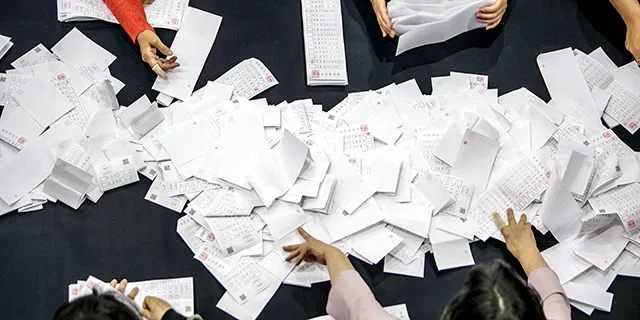
Elections remain the most visible driver shaping Latin America politics 2026, with voters across the region signaling frustration with entrenched leadership and unfulfilled promises. Presidential and parliamentary contests have introduced new figures while also exposing deep ideological divides.
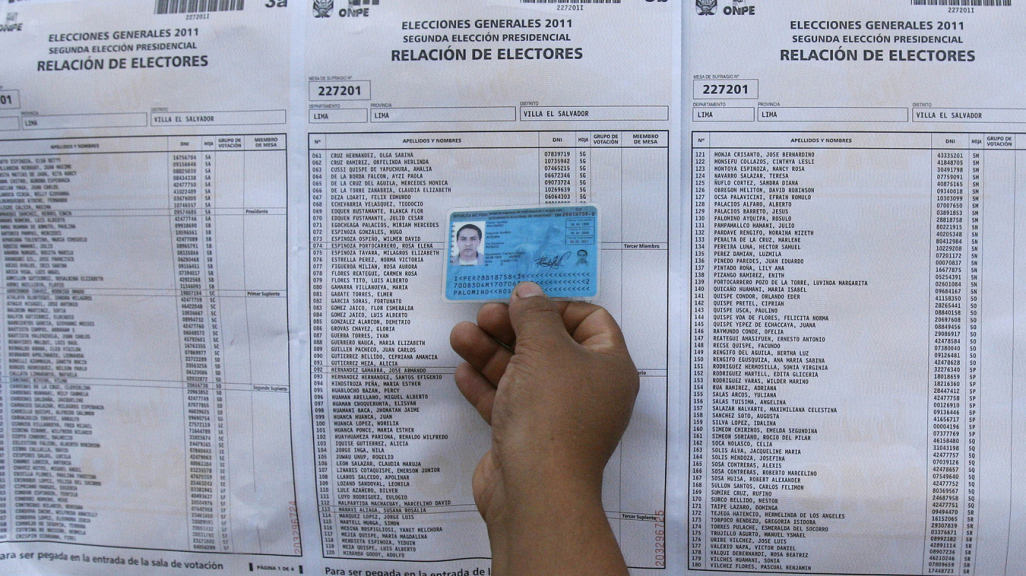
In Mexico, electoral debates have centered on security, economic opportunity, and institutional reform. Meanwhile, Argentina has seen intense discussion around inflation control and governance credibility. In Peru, recurring political turnover continues to test public confidence in democratic mechanisms.
Observers note that elections are no longer moments of closure. Instead, they often mark the beginning of prolonged negotiation and uncertainty.
Economic Strain Shapes Political Decision Making
Economic conditions remain inseparable from Latin America politics 2026, influencing voter behavior and policy choices alike. Inflationary pressure, debt burdens, and uneven growth have constrained government options while affecting daily life for millions.
In Brazil, policymakers face the challenge of balancing social investment with fiscal discipline. Smaller economies across Central America struggle with similar tensions, often under the watchful eye of international lenders.
Economists warn that prolonged economic stress tends to accelerate political polarization, making compromise more difficult just as cooperation becomes most necessary.
Public Protest and Civic Mobilization
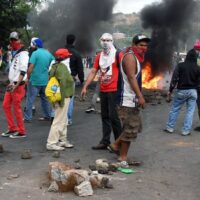
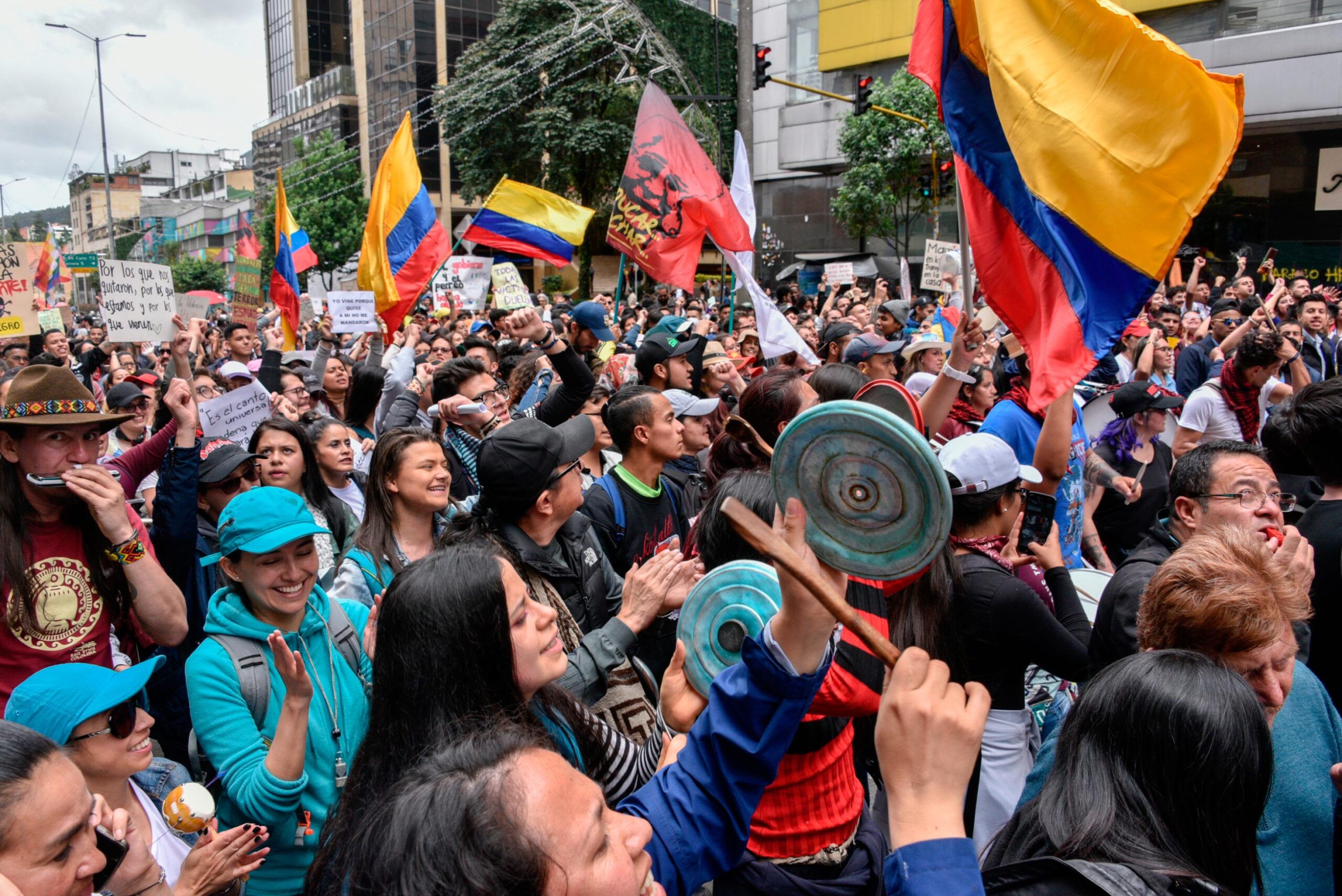
Street demonstrations have emerged as a defining feature of Latin America politics 2026, reflecting dissatisfaction that cuts across party lines. Protests increasingly focus on living costs, corruption, and perceived gaps between political rhetoric and lived reality.
In Chile and Colombia, civic movements have pushed governments to revisit reform agendas while highlighting the limits of incremental change. Although protest intensity varies, its persistence suggests deeper structural discontent.
One regional political analyst summed up the mood:
“The public is no longer willing to wait for gradual reform when daily life feels increasingly uncertain.”
Institutional Trust Under Pressure
Confidence in public institutions has become a critical variable shaping Latin America politics 2026. Courts, legislatures, and electoral bodies are facing heightened scrutiny as citizens demand transparency and accountability.
Anti corruption initiatives have raised expectations but delivered uneven results, fueling skepticism rather than reassurance in some countries. Analysts argue that institutional credibility cannot be rebuilt through legislation alone. It requires consistent enforcement and visible results.
Without trust, even well designed policies struggle to gain public acceptance.
Security Challenges Complicate Governance
Security concerns continue to influence Latin America politics 2026, particularly in regions affected by organized crime, trafficking, and illegal extraction activities. Governments face pressure to act decisively while maintaining democratic norms and civil liberties.
Cross border criminal networks exploit governance gaps and adapt quickly to enforcement strategies. While cooperation among neighboring states has improved in some areas, fragmented approaches remain common.
Security specialists caution that unchecked criminal activity undermines economic development and erodes public faith in the rule of law.
International Attention and Diplomatic Balancing
External actors are closely watching Latin America politics 2026, aware that instability in the region carries global implications. Trade partners, investors, and multilateral institutions are recalibrating engagement amid political uncertainty.
Regional leaders emphasize sovereignty while acknowledging the importance of diplomatic cooperation. The balance between domestic priorities and international expectations has become increasingly delicate, particularly in discussions involving trade, migration, and energy.
Global interest underscores the region’s strategic importance, even as outcomes remain uncertain.
Migration and Demographic Shifts
Migration trends reveal the human impact of Latin America politics 2026, as economic uncertainty and political frustration encourage movement within and beyond the region. Skilled professionals, students, and working families alike weigh opportunities abroad against ties at home.
Remittances provide short term relief for many households, but sustained emigration can strain domestic labor markets and social systems. Policymakers face the challenge of addressing underlying causes rather than managing symptoms.
Communities adapt with resilience, though often at personal cost.
Media, Technology, and Political Perception
Digital platforms now play a central role in shaping Latin America politics 2026, amplifying both information and misinformation. Social media has become a primary arena for political debate, protest organization, and accountability.
While increased connectivity empowers citizens, it also accelerates polarization and the spread of unverified narratives. Governments face pressure to promote transparency without restricting free expression.
Media literacy and responsible communication are increasingly viewed as governance priorities.
Economic Reform Meets Political Reality
Structural reform remains essential yet politically challenging within Latin America politics 2026. Governments attempting fiscal, labor, or energy reforms often encounter resistance from entrenched interests and wary electorates.
Reform fatigue is widespread, with citizens questioning whether promised changes will deliver tangible improvements. Analysts stress that effective reform requires clear communication, inclusive dialogue, and gradual implementation.
Without public buy in, even necessary reforms risk deepening division.
Regional Cooperation Tested by Diverging Paths
Regional organizations have sought to address shared challenges, but coordination remains inconsistent. Differences in ideology, economic priorities, and governance capacity complicate collective action.
While cooperation has produced progress in areas such as disaster response and trade facilitation, broader efforts to stabilize political and economic conditions have yielded mixed results. Observers argue that stronger regional mechanisms could help mitigate Latin America politics 2026, but only if member states commit to sustained collaboration.
The tension between national sovereignty and regional integration continues to shape outcomes.
Opportunities Amid Uncertainty
Despite ongoing challenges, parts of the region continue to attract investment in energy, agriculture, and technology. These opportunities suggest that uncertainty does not preclude growth, but it raises the cost of doing business.
Investors increasingly factor political risk into decisions, favoring environments with predictable rules and credible institutions. Reducing volatility could unlock significant economic potential and restore confidence.
The contrast between opportunity and uncertainty defines the current moment.
A Pivotal Moment for the Region
As Latin America politics 2026 unfolds, the region stands at a crossroads. The path forward will depend on restoring institutional trust, addressing inequality, and fostering governance that reflects public expectations without sacrificing stability.
Incremental progress may offer a more realistic route than sweeping transformation. The coming years will determine whether pressure becomes a catalyst for renewal or a source of prolonged stagnation.