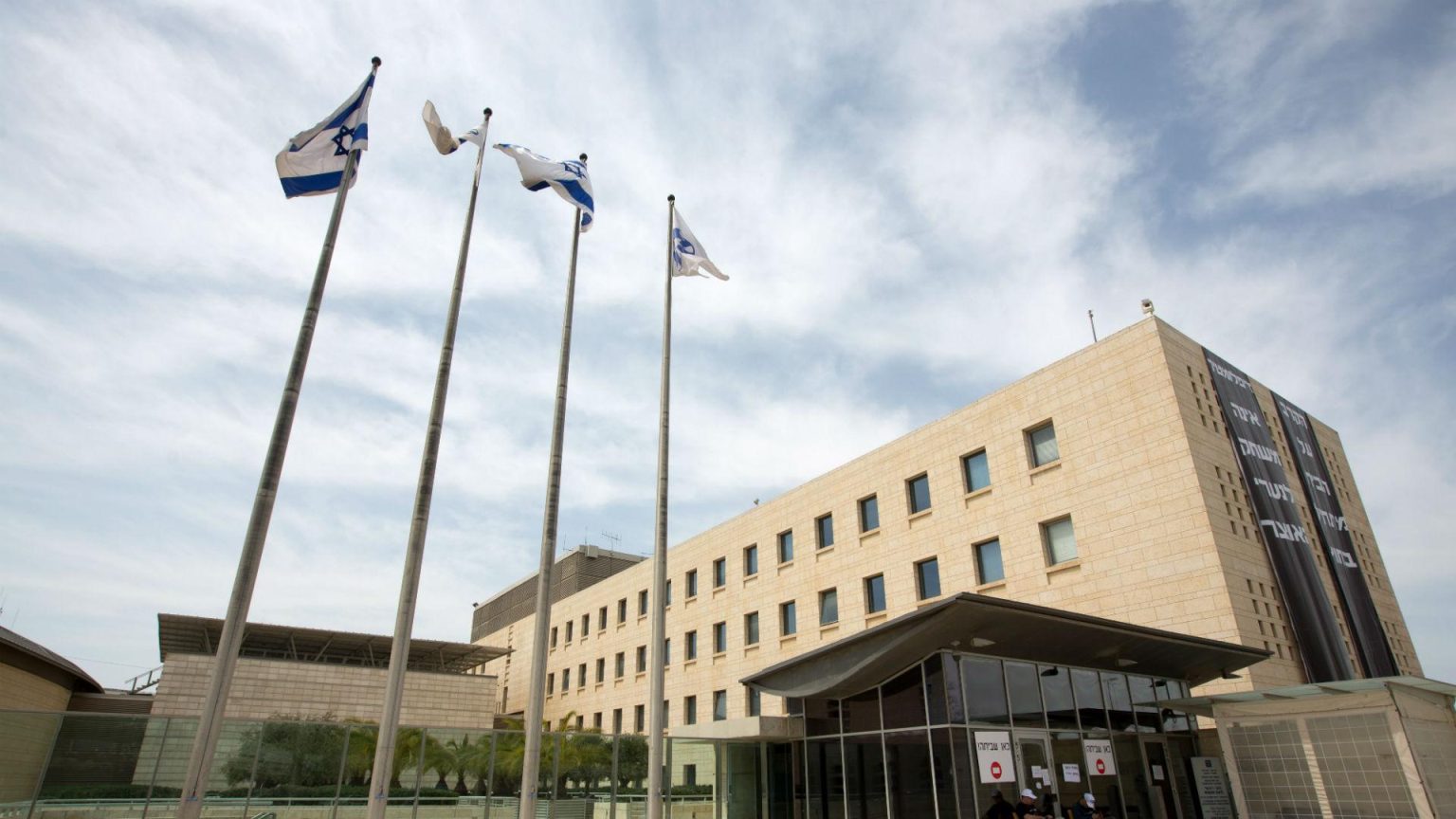
Jerusalem, Israel, June 18 – Brussels Morning Newspaper — Israel Europe diplomacy entered a more challenging phase after Israel’s foreign minister announced the suspension of direct contact with the European Union’s foreign policy chief. The decision follows mounting disagreements over the conflict in Gaza, humanitarian concerns, and differing approaches to regional security, marking one of the most significant diplomatic disputes between Israel and the European Union in recent months.
The move comes amid increasing criticism from European officials regarding Israel’s military operations in Gaza. Israeli leaders have argued that some European statements have not adequately reflected Israel’s security concerns following ongoing regional threats. The diplomatic decision signals growing frustration within Israel’s government while highlighting wider policy differences between Jerusalem and Brussels.
“Israel expects balanced engagement from its international partners while addressing the complex security challenges facing the country,” an Israeli government official said following the announcement.
Diplomatic Tensions Continue to Rise
The suspension of direct communication with the EU’s senior foreign policy representative does not end broader relations between Israel and the European Union. Diplomatic contacts through embassies, government ministries, and bilateral partnerships remain active, but the decision reflects a noticeable cooling of political dialogue at the highest levels.
Relations between Israel and European institutions have periodically faced tension over issues including the Israeli-Palestinian conflict, settlement policies, humanitarian aid, and international legal concerns. The latest development adds another layer to an already sensitive diplomatic relationship.
Gaza Remains at the Center of the Dispute
The ongoing conflict in Gaza continues to shape international diplomacy. European leaders have repeatedly called for expanded humanitarian assistance, protection for civilians, and renewed efforts toward political negotiations. Israel maintains that military operations remain necessary to address security threats while facilitating humanitarian aid where operational conditions permit.
These differing priorities have become increasingly visible in diplomatic discussions, contributing to the latest disagreement between Israeli officials and European leadership.
Economic and Strategic Cooperation Continues
Despite current political tensions, Israel and the European Union continue to share extensive economic and strategic partnerships. Cooperation in technology, scientific research, healthcare, education, trade, and energy remains important for both sides.
Analysts note that while political disagreements may temporarily affect diplomatic engagement, the broader relationship includes long-standing economic interests that encourage continued cooperation in multiple sectors.
Regional Stability Remains a Shared Interest
The diplomatic dispute unfolds during a period of heightened instability across the Middle East. Security developments involving Gaza, Lebanon, Syria, and other regional actors continue influencing foreign policy decisions for both Israel and European governments.
Observers believe both sides will continue monitoring developments closely while maintaining communication through alternative diplomatic channels. Although the suspension of direct contact represents a significant political signal, long-term cooperation on security, trade, and regional stability is expected to remain important for both Israel and the European Union.