Addis Ababa, Ethiopia, June 18 – Brussels Morning Newspaper — Ebola outbreak Africa has become the focus of a major continental health initiative after African governments and regional institutions pledged $910 million to improve preparedness, strengthen healthcare systems, and reduce the risk of future Ebola emergencies. The funding commitment is expected to support disease surveillance, laboratory testing, emergency response teams, and frontline healthcare workers while improving long-term public health resilience.
The latest financial commitment comes as African leaders continue to prioritize stronger health systems capable of detecting infectious diseases earlier and responding more effectively. Rather than relying solely on emergency interventions during outbreaks, officials are shifting toward long-term investments designed to prevent widespread transmission before it begins.
The funding package will help expand disease surveillance networks, modernize laboratory facilities, improve emergency medical logistics, and strengthen cross-border cooperation. Health experts say these improvements are essential because infectious diseases can spread rapidly when early warning systems are limited or healthcare infrastructure is under pressure.
“Preparedness is the strongest investment any nation can make against future Ebola outbreaks,”
a senior African public health official said during the funding announcement.
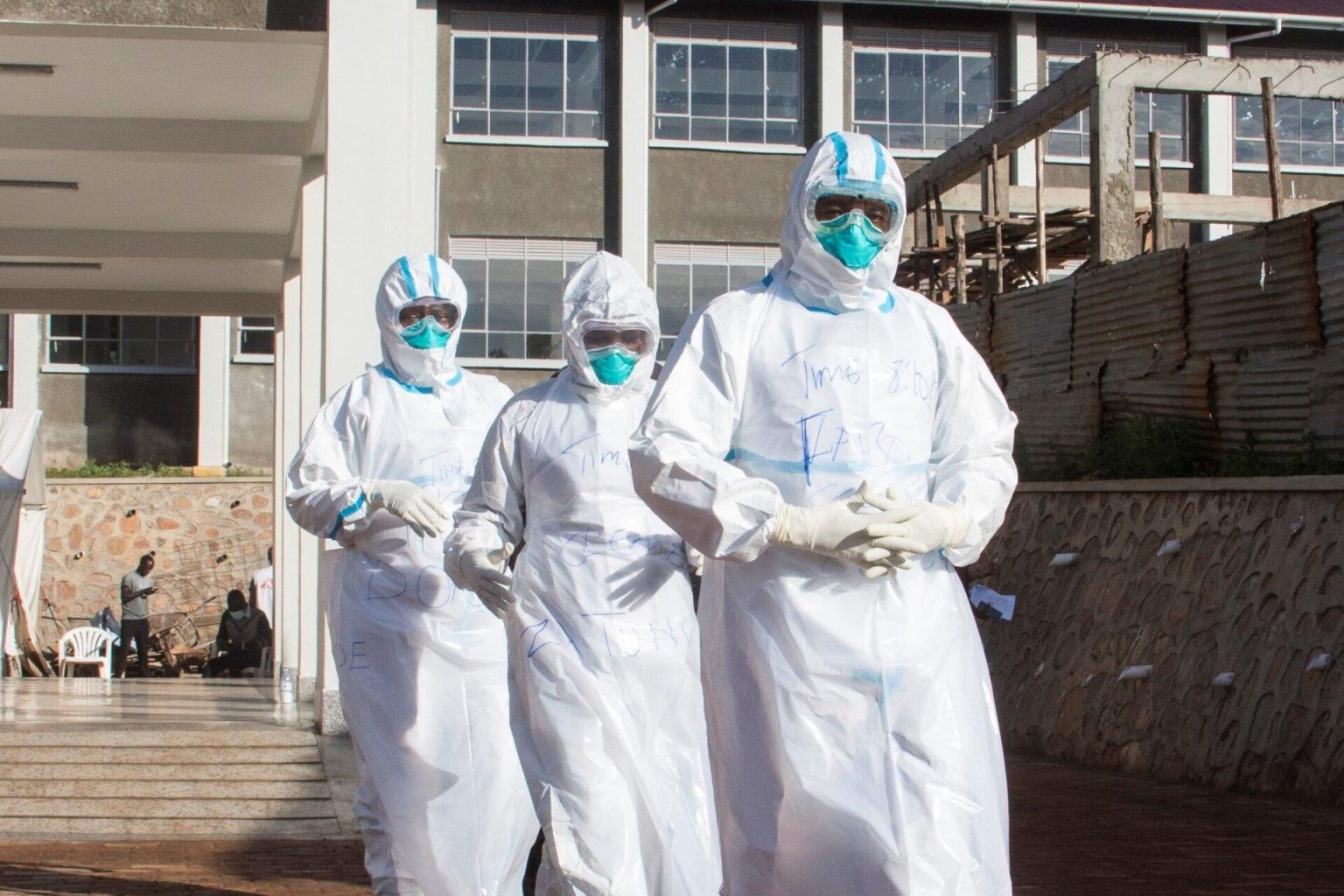
A significant portion of the investment is expected to support healthcare workers through additional training, protective equipment, infection prevention programs, and emergency response planning. Medical professionals remain among the highest-risk groups during Ebola outbreaks, making workforce protection a key priority for governments.
Community engagement also forms an important part of the initiative. Public education campaigns will help communities recognize Ebola symptoms, seek medical attention quickly, and understand preventive health measures that reduce transmission risks. Health authorities believe informed communities play a critical role in containing outbreaks before they expand.
Regional cooperation remains another central objective. African countries are expected to improve information sharing, laboratory coordination, and emergency planning to ensure faster responses whenever suspected cases are identified. Stronger collaboration allows neighboring countries to exchange surveillance data and deploy medical resources more efficiently during public health emergencies.
Beyond healthcare benefits, stronger epidemic preparedness also supports economic stability. Major disease outbreaks can disrupt trade, transportation, tourism, education, and workforce productivity. By investing in prevention today, governments hope to reduce both the human and economic costs of future Ebola emergencies.
The $910 million commitment reflects growing recognition that sustainable public health investment provides long-term protection against infectious diseases. While challenges such as remote healthcare access and infrastructure gaps remain, officials believe stronger surveillance systems, trained healthcare professionals, and coordinated regional action will significantly improve Africa’s ability to manage future outbreaks.
The funding announcement represents one of the continent’s most important recent public health commitments and demonstrates a broader strategy focused on preparedness rather than crisis response alone. As implementation begins, health authorities will closely monitor progress to ensure the investment strengthens national healthcare systems and improves protection for millions of people across the region.