
Tehran, Iran, January, 2026 — Brussels Morning Newspaper states that escalating Iran violence has pushed the country into one of the most consequential internal crises of the modern era. Months of unrest have reshaped political debate, strained economic life, and altered the daily routines of millions, while official acknowledgments of mass casualties have intensified domestic and international scrutiny. As 2026 unfolds, Iran finds itself confronting a defining test of governance, social cohesion, and national direction.
Economic Pressures That Triggered Widespread Discontent
The origins of the current unrest lie in a convergence of long-standing economic challenges. Inflation eroded purchasing power, wages failed to keep pace with rising prices, and job prospects narrowed, particularly for younger citizens entering the labor market. These pressures accumulated quietly before erupting into public demonstrations.
For many households, daily survival became increasingly difficult. Small businesses faced declining demand, while families cut back on essentials. This environment created fertile ground for protest, as economic frustration merged with broader dissatisfaction. The early stages of Iran violence emerged when initial demonstrations encountered forceful responses, transforming economic protest into a wider confrontation.

Transformation From Local Protests to a National Movement
What began as localized gatherings quickly spread beyond city centers. Demonstrations appeared in provincial towns and industrial areas, reflecting the breadth of discontent. Protesters adapted tactics, organizing through informal networks and shifting locations to maintain momentum.
The persistence of unrest distinguished this period from previous episodes. Rather than fading after initial crackdowns, demonstrations continued, signaling a deeper rupture. As confrontations multiplied, Iran violence became a defining feature of national life, affecting transport systems, workplaces, and public services.
Security Measures and Institutional Strain
Authorities expanded security deployments, emphasizing the need to preserve order and protect infrastructure. Checkpoints, patrols, and surveillance measures became commonplace in major cities. Officials argued that decisive action was essential to prevent chaos and safeguard public safety.
At the same time, critics contended that heavy-handed tactics intensified tensions. Each confrontation risked drawing more participants into the streets, creating a cycle difficult to break. The institutional strain associated with Iran violence was evident as security forces, courts, and detention facilities faced unprecedented pressure.
Acknowledgment of Casualties and Public Reaction
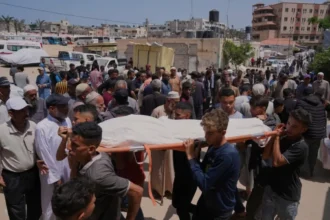
In a significant development, senior officials confirmed that at least 2,000 people had been killed since unrest began, including civilians and members of the security services. The acknowledgment marked a turning point, validating months of unofficial accounts and rumors.
Public reaction was mixed, combining grief with anger and demands for accountability. Families sought answers about missing relatives, while communities organized mourning rituals that sometimes evolved into renewed protests. The recognition of Iran violence at this scale underscored the gravity of the crisis and heightened calls for change.

Human Impact Beyond Official Figures
Behind casualty statistics lie personal tragedies. Hospitals treated thousands of injuries, and psychological trauma spread across communities. Children and adolescents, exposed to unrest at formative stages, faced disruptions to education and emotional development.
Community leaders described neighborhoods marked by loss and uncertainty. Social bonds frayed as fear and mistrust grew. The enduring social cost of Iran violence extends far beyond immediate events, shaping attitudes and relationships that will influence the country’s future.
Economic Consequences of Prolonged Unrest
Sustained instability compounded existing economic fragility. Market closures, interrupted supply chains, and reduced investment weakened growth prospects. Tourism declined, and consumer confidence faltered as uncertainty persisted.
Economists warned that unrest-related disruptions could entrench recessionary pressures. Without reforms addressing inflation, employment, and governance, the conditions fueling Iran violence risk becoming self-perpetuating, undermining recovery efforts.
Labor Movements and Expanding Social Participation
Workers across several sectors engaged in strikes and demonstrations, linking workplace grievances to broader demands. These actions broadened participation, drawing attention to wage stagnation and job insecurity.
Labor activism amplified the scale of unrest, affecting essential services and production. As strikes intersected with street protests, Iran violence increasingly influenced national productivity and economic planning.
Youth, Education, and the Future Generation
Universities and schools became focal points of dissent. Students organized demonstrations, reflecting frustration over limited opportunities and restricted freedoms. Repeated closures disrupted academic calendars, delaying graduations and research.
Educators expressed concern about long-term consequences for learning and civic engagement. Exposure to Iran violence during formative years may shape how a generation views authority, participation, and national identity.

Information Controls and Public Confidence
Internet disruptions and limits on journalistic access complicated coverage of events. These constraints fueled speculation and mistrust, as citizens struggled to distinguish verified information from rumor.
Advocates emphasized that transparency is essential to rebuilding confidence. Credible information, they argue, can reduce fear and escalation by clarifying events surrounding Iran violence and holding institutions accountable.
International Attention and Diplomatic Signals
The scale of casualties drew reactions from governments and international organizations. Statements emphasized restraint, dialogue, and respect for human rights. Diplomatic engagement intensified as global actors assessed implications for regional stability.
Observers noted that Iran’s strategic position magnifies the significance of internal developments. Energy markets, trade routes, and security partnerships all respond to perceptions of stability or risk.
Regional Calculations and Strategic Implications
Neighboring states monitored developments closely, considering potential spillover effects such as migration or economic disruption. Analysts highlighted the interconnectedness of regional security dynamics.
Prolonged instability within Iran could reshape alliances and priorities across the Middle East. These calculations add urgency to efforts aimed at de-escalation and reform.
Daily Life Amid Uncertainty
For ordinary citizens, uncertainty became routine. Businesses adjusted hours, families limited travel, and public gatherings diminished. Social interactions carried an undercurrent of caution.
One resident captured the prevailing mood, saying,
“People plan each day carefully, never knowing when calm might give way to tension.”
This single voice reflects the emotional strain of prolonged unrest.
Leadership Debates and Policy Choices
Within the political establishment, debate intensified over the appropriate response. Some leaders advocated dialogue and economic concessions, while others emphasized security and deterrence.
Analysts suggested that policy choices made during this period will influence whether stability returns or unrest persists. Balancing reform with authority remains a central challenge.
Paths Toward Dialogue and De-escalation
Civil society figures and moderate voices called for negotiations addressing economic hardship, governance concerns, and social inclusion. Proposals included targeted relief measures and institutional reforms.
Skeptics questioned whether reforms would arrive quickly enough to restore trust. Nonetheless, dialogue emerged as a potential avenue to break cycles of confrontation.
Long-Term Social and Political Consequences
Extended unrest reshapes national narratives and public expectations, as Iran violence erodes trust in institutions, deepens polarization, and makes reconciliation increasingly complex.
Experts emphasize that lasting healing will require transparency, accountability, and inclusive policy-making, with genuine efforts to address root causes seen as essential to preventing future crises.
Iran at a Defining Crossroads
As 2026 progresses, Iran faces a stark choice between continued confrontation and meaningful engagement, with Iran violence standing as a defining test for governance, economic recovery, and regional relations.
The legacy of the current crisis will depend on whether leaders and citizens can turn hardship into reform and dialogue, or whether prolonged instability becomes a lasting feature of national life.
Outlook for the Months Ahead
Short-term calm alone will not resolve underlying challenges. Sustainable stability depends on confronting economic inequality, expanding social participation, and restoring institutional credibility as Iran violence continues to shape public trust and political expectations.
The months ahead will test national resilience and adaptability. How Iran navigates this critical moment will influence its political, economic, and social trajectory for years to come.