
Iran, January 2026 — Brussels Morning Newspaper Highlights that pro state rallies Iran have emerged as one of the most visible political developments of the year as large crowds gathered across Tehran to express unity and support for the country’s leadership amid mounting global pressure. The demonstrations unfolded against a backdrop of diplomatic strain, economic uncertainty, and ongoing regional tensions, transforming public spaces into platforms for national messaging.
Officials framed the rallies as a reflection of collective resolve and political continuity, while international observers viewed them as a carefully calibrated signal directed beyond Iran’s borders. The events underscored how public mobilization continues to play a central role in Iran’s political communication strategy in 2026.
Global pressure shaping the political moment
Iran’s leadership enters 2026 facing sustained international scrutiny linked to sanctions debates, regional security concerns, and unresolved negotiations with Western powers. Within this environment, visible demonstrations of unity carry heightened significance. Authorities presented the gatherings as evidence that external pressure has not weakened internal cohesion but has instead reinforced it.
The narrative emphasized sovereignty and resistance, portraying the rallies as a response to foreign challenges rather than a reaction to domestic division. In this context, pro state rallies Iran were positioned as both reassurance to supporters and a warning to critics abroad.
Scale and coordination of nationwide demonstrations
The organization of the demonstrations reflected extensive logistical coordination. Large crowds assembled simultaneously in multiple districts of Tehran, with security, transportation, and media coverage operating in sync. Officials highlighted participation from a broad cross section of society, including families, students, workers, and veterans.
Observers noted that such coordination suggested planning rather than spontaneity, aligning with Iran’s long tradition of orchestrated public mobilization during sensitive political periods. The scale of attendance amplified the symbolic impact of pro state rallies Iran, projecting an image of order and cohesion.
Political symbolism and visual language
Symbolism was central to the rallies’ messaging. National flags, historical slogans, and revolutionary imagery dominated public squares, linking present challenges with Iran’s past experiences of resistance. These visual elements transformed urban spaces into stages for political storytelling, reinforcing continuity between history and contemporary policy.
For domestic audiences, the imagery reaffirmed identity and shared memory. For international observers, it conveyed confidence and resolve. Through this visual language, pro state rallies Iran communicated messages that extended beyond spoken words.
Leadership narrative and strategic tone
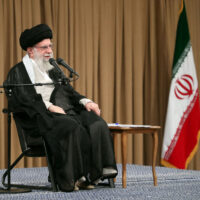
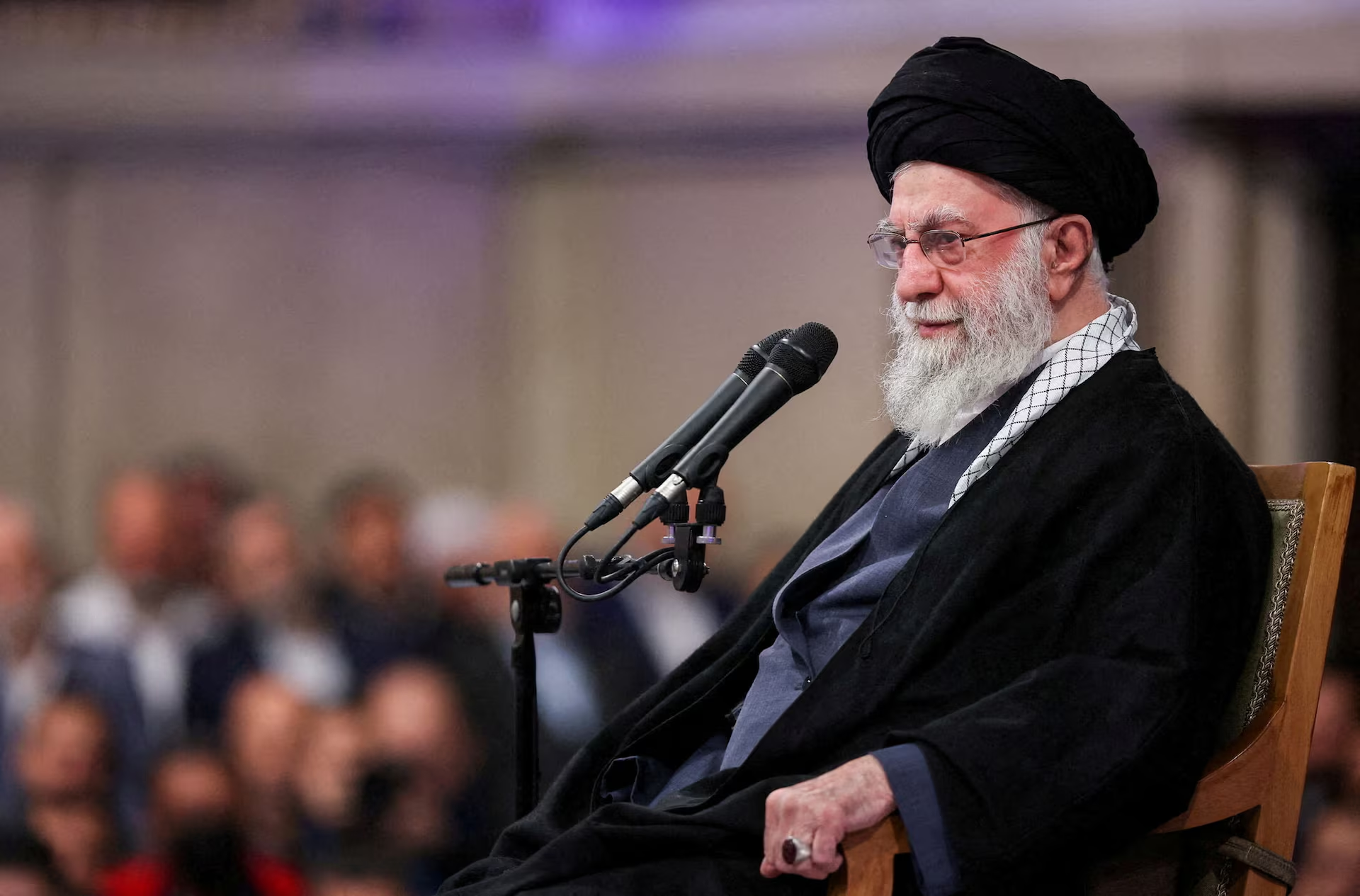
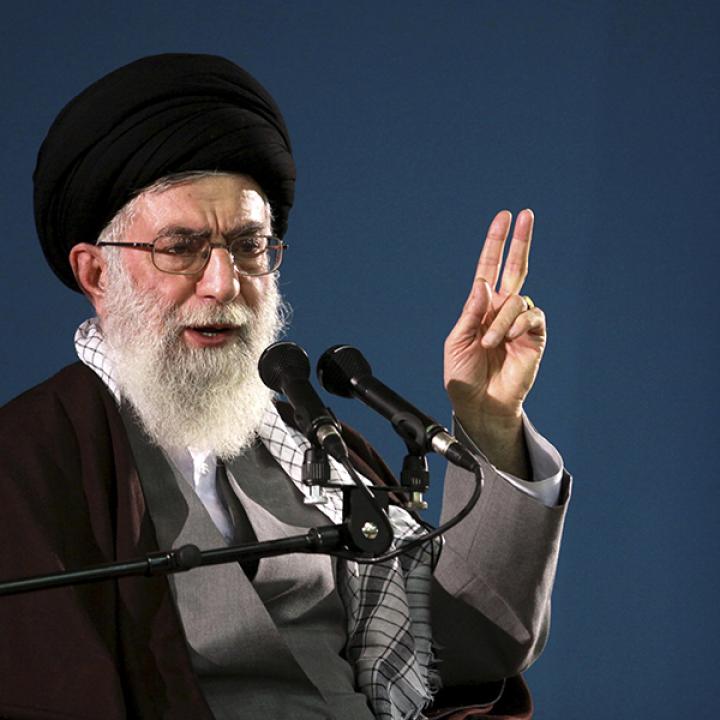
Senior leadership messaging shaped the tone of the demonstrations. At the center of this narrative stood Ali Khamenei, whose remarks emphasized independence, dignity, and resistance to coercion. The tone was firm but measured, avoiding explicit escalation while reaffirming long held principles.
This approach aligned with the atmosphere of the rallies, linking public participation with strategic restraint. By anchoring the message in established ideology, the leadership reinforced authority and continuity during a period of heightened pressure.

Domestic political context and public sentiment
Internally, the rallies must be understood within a landscape shaped by economic strain and social debate. Inflation, employment challenges, and limited access to global markets continue to affect daily life for many Iranians. In this environment, visible unity serves a political purpose.
The demonstrations offered a narrative that reframed hardship as a shared national challenge driven by external forces. By emphasizing collective endurance, pro state rallies Iran helped consolidate political support and redirect public frustration toward foreign pressure rather than internal disagreement.
Social participation and civic meaning
Participation in the demonstrations reflected a range of motivations, including political conviction, civic ritual, and social expectation. Sociologists note that public rallies in Iran often blend ideology with community participation, making them complex social events rather than purely political acts.
Regardless of individual intent, the visible scale of attendance strengthened the symbolic power of the gatherings. The presence of younger participants was highlighted as evidence of generational continuity, countering narratives of disengagement.
Strategic communication beyond formal diplomacy
Beyond domestic audiences, the rallies functioned as strategic communication aimed at foreign governments. Rather than relying solely on official statements, Iran used public mobilization to convey messages of stability and deterrence.
Analysts argue that such demonstrations are designed to show that internal pressure campaigns are unlikely to succeed. In this way, pro state rallies Iran served as a nonverbal component of Iran’s broader diplomatic posture.
Regional reactions and security implications
Across the Middle East, governments and analysts closely monitored developments in Tehran. Regional reactions were cautious, with many viewing the rallies as consistent with established patterns of Iranian political behavior.
While the rhetoric was firm, it largely echoed existing positions rather than introducing new threats. Security experts suggested that the demonstrations were intended to reassure allies and caution adversaries without provoking escalation.
International interpretation and diplomatic reading
In Western capitals, officials characterized the rallies as symbolic expressions aligned with Tehran’s long standing rhetoric. Diplomatic sources emphasized that while the message was directed outward, it did not signal an immediate policy shift.
Nevertheless, the timing of pro state rallies Iran was widely seen as deliberate, coinciding with sensitive phases of international discussions and shaping the broader diplomatic atmosphere.
Expert insight into political signaling
One regional affairs analyst said,
“Public demonstrations in Iran are structured to project stability and deterrence at the same time, reinforcing the idea that external pressure rarely weakens internal cohesion.”
This assessment captures the strategic logic behind pro state rallies Iran, highlighting their role as tools of narrative control rather than announcements of new policy directions.
Media framing and information strategy
State media coverage emphasized turnout, patriotic imagery, and emotional speeches, framing the rallies as historic moments of unity. International outlets focused more on geopolitical implications and the warning implicit in the messaging.
This divergence illustrates how the same events can be framed differently depending on audience. Domestically, the emphasis was on legitimacy and cohesion. Internationally, attention centered on strategic signaling.
Historical continuity of public mobilization
Public demonstrations have long been embedded in Iran’s political tradition, particularly during periods of confrontation with external powers. From earlier sanctions eras to moments of regional tension, rallies have been used to reinforce resistance narratives.
The current demonstrations fit within this historical pattern, drawing on familiar themes of independence and endurance. By situating present challenges within a broader narrative, the leadership reinforced continuity rather than change.
Economic backdrop and messaging strategy
Economic pressure remains a constant backdrop to the demonstrations. While rallies emphasize unity, they also serve to redirect public frustration toward external causes. Officials framed economic hardship as the result of foreign policies rather than domestic governance alone.
This narrative has historically helped maintain political cohesion during difficult periods. In this context, pro state rallies Iran functioned as a platform for managing public expectations as well as political messaging.
Diplomacy alongside public rhetoric
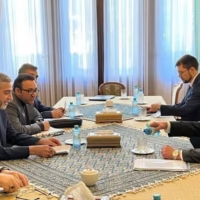
Despite the firm public tone, diplomatic engagement continues through indirect and multilateral channels. Officials on all sides acknowledge that rhetoric and negotiation often proceed in parallel.
The rallies therefore do not necessarily foreclose dialogue but instead define boundaries and manage expectations. By maintaining a strong public stance while preserving diplomatic flexibility, pro state rallies Iran illustrate how Iran balances messaging with pragmatism.
National identity and collective memory
At a deeper level, the demonstrations function as exercises in national identity formation. Participation reaffirms belonging and shared history regardless of individual political views.
This dimension helps explain the durability of public mobilization as a political tool in Iran. By drawing on collective memory, pro state rallies Iran sustain narratives of endurance and sovereignty that resonate across generations.
Public mobilization reinforcing political continuity
Beyond their immediate message, the demonstrations illustrate how pro state rallies Iran continue to function as a core instrument of political continuity. Large scale gatherings are used not only to respond to moments of external pressure but also to reaffirm stability during periods of diplomatic and economic uncertainty. By placing citizens visibly at the center of national narratives, the leadership emphasizes continuity and institutional legitimacy rather than abrupt political change.
Analysts note that such mobilization helps manage public expectations by framing endurance as a collective responsibility. In this sense, pro state rallies Iran operate as a stabilizing mechanism, reinforcing the idea that unity itself is a strategic asset when policy outcomes remain contested on the international stage.
When unity on the streets becomes a lasting signal
The transformation of public streets into symbols of resolve marks one of the most distinctive aspects of the recent demonstrations. Urban spaces normally associated with everyday life were repurposed into platforms for collective expression, where history, identity, and present challenges converged. This symbolic visibility strengthens the message that national resolve is not confined to official statements but is enacted publicly and repeatedly.
As global pressure persists into 2026, pro state rallies Iran suggest that endurance itself has become part of the political message. By sustaining visible unity, the rallies turn public space into a long term signal of resilience, closing the article with a reminder that symbolism and participation remain central to Iran’s political communication strategy.
beyond the streets
Ultimately, pro state rallies Iran highlight a political system that continues to rely on public mobilization as a source of strength during periods of global pressure. The 2026 demonstrations reinforced unity, projected resolve, and shaped both domestic and international perceptions.
As diplomatic and economic challenges persist, such rallies are likely to remain a recurring feature of Iran’s political landscape, influencing how the country communicates resilience and continuity to the world.