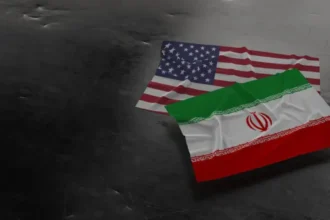

Abu Dhabi (Brussels Morning Newspaper) – Iranian deputy foreign minister Saeed Khatibzadeh on Tuesday stated that Tehran aims for a “peaceful” nuclear deal with the United States to settle a long-standing dispute but will not compromise its national security.
The United States, along with its European allies and Israel, alleges that Tehran is using its nuclear program as a cover to attempt to develop the capacity to produce weapons. Iran claims that its nuclear program is solely for peaceful purposes.
Why did Iran accuse the US of betraying diplomacy?
Khatibzadeh stated at the 12th Abu Dhabi Strategic Debate that Washington is delivering mixed signals to Tehran regarding nuclear negotiations via third parties, Reuters reported.
Repeating Tehran’s standpoint, Khatibzadeh blamed the US for “betraying diplomacy,” and the nuclear discussions have stopped since the June war.
“Tehran is not seeking nuclear bombs and … is prepared to assure the world about it. We are very proud of our home-grown nuclear programme,”
Khatibzadeh said.
Last week, Iran’s Supreme Leader Ayatollah Ali Khamenei dismissed the possibility of negotiations with the US amidst threats.
What did Donald Trump say about a potential deal?
In October, President Donald Trump said in a speech to the Israeli parliament that the United States was prepared to make a deal with Iran when Tehran was ready to do so, Al Jazeera reported.
“We are ready when you are and it will be the best decision that Iran has ever made, and it’s going to happen,”
Trump said, referring to a deal with Iran.
“The hand of friendship and cooperation is open. I’m telling you, they (Iran) want to make a deal… it would be great if we could make a deal,”
Trump told the Israeli Knesset.
What are the main points of disagreement between the US and Iran?
Before a 12-day war between Iran and Israel in June, the two countries held five rounds of nuclear negotiations, which Washington responded to by targeting important Iranian nuclear facilities.
The Iran nuclear issue in the Middle East revolves around Iran’s nuclear program and its regional and global security implications. According to reports, significant differences still exist between the US and Iran, including the matter of uranium enrichment on Iranian territory. The United States insists on reducing this to zero to eliminate any potential weaponisation risk, but Tehran has rejected this proposal.