Tehran, January 2026 — Brussels Morning Newspaper — Iranian authorities say more than 100 members of the security forces have been killed during weeks of unrest, as demonstrations continue to defy an expanding Iran protests crackdown that has emerged as one of the most serious internal challenges facing the country in years. The confrontations, unfolding across major cities and provincial towns, have placed Iran’s political leadership under intense pressure as 2026 begins.
Officials describe the unrest as coordinated and violent, while activists and independent observers argue it reflects deep-rooted economic and political grievances. As enforcement measures intensify, the Iran protests crackdown is reshaping domestic politics, straining security institutions, and drawing sustained international scrutiny.
A Wave of Protests Spreads Across the Country
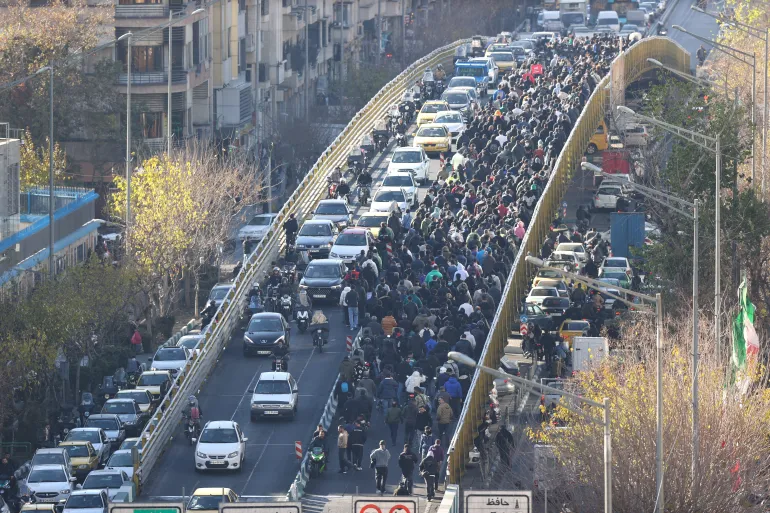
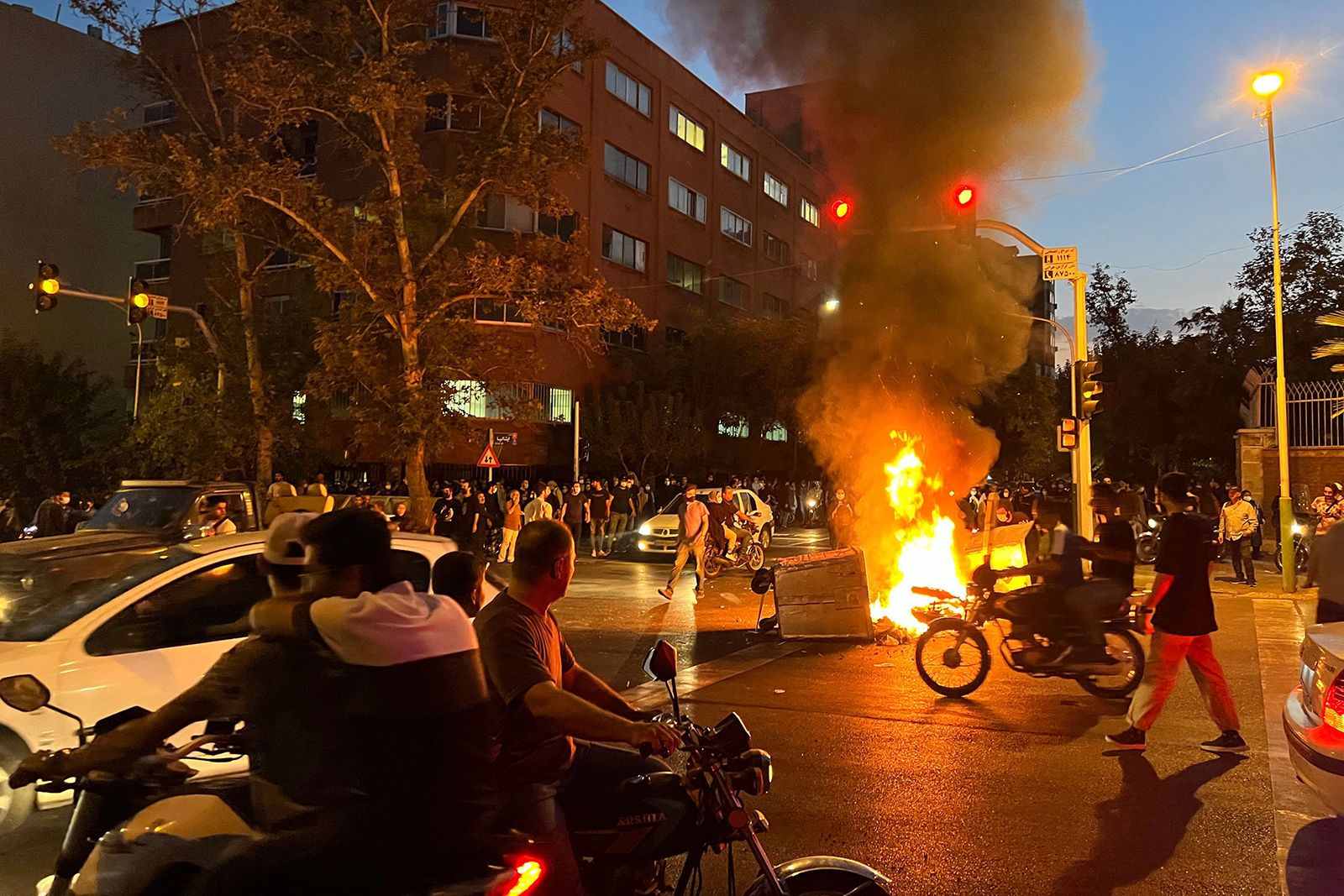
Demonstrations first erupted in several urban centers before spreading rapidly to smaller cities and rural areas. Protesters gathered in public squares, residential neighborhoods, and university districts, often moving locations to avoid arrest. Nighttime demonstrations became increasingly common, complicating efforts to disperse crowds.
Authorities say the geographic spread of unrest has forced them to widen the scope of the Iran protests crackdown, deploying additional police and paramilitary units to maintain control. Protesters, however, say the persistence of demonstrations shows that enforcement alone has failed to address underlying anger.
Government Reports Heavy Security Casualties
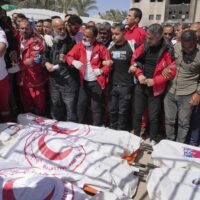
Iran’s Interior Ministry confirmed that more than 100 police officers and security personnel have died in clashes linked to the unrest. Officials say the deaths occurred during ambushes, attacks on patrols, and confrontations at checkpoints and government buildings.
State media has highlighted these casualties as evidence that the Iran protests crackdown is confronting organized resistance rather than spontaneous dissent. Officials argue that decisive action is necessary to prevent further loss of life and restore public order.
Security Strategy and Expanded Enforcement Measures
In response to the unrest, authorities have expanded security deployments nationwide. Measures include increased patrols, temporary curfews in some districts, restrictions on public gatherings, and heightened surveillance.
Internet access has been intermittently restricted, with officials saying the steps are necessary to disrupt coordination among protesters. Critics argue that such measures form a central pillar of the Iran protests crackdown, limiting the flow of information and complicating independent reporting.
Information Control and Media Restrictions
Domestic and foreign journalists face tighter restrictions when reporting on the unrest. State regulators have accused external actors of inflaming tensions and spreading misinformation.
As a result, much of the public narrative surrounding the Iran protests crackdown is shaped by official statements, while activists rely on social media and informal networks to share footage and accounts of events on the ground.
Public Opinion Deeply Divided
Iranian society remains sharply polarized. Supporters of the government argue that strong enforcement is necessary to preserve national stability and prevent chaos. They view security force casualties as sacrifices made in defense of the state.
Critics, however, say the Iran protests crackdown suppresses legitimate grievances and risks alienating large segments of the population. Analysts note that competing narratives have hardened attitudes on both sides, reducing space for compromise.
Economic Grievances Fueling the Unrest
Economists say the protests are unfolding against a backdrop of persistent economic strain. Inflation, unemployment, and declining purchasing power have eroded living standards, particularly among young people.
Many protesters cite economic hardship as a core motivation, while officials argue that disruptions caused by demonstrations — including property damage and halted commerce — have worsened conditions. The government insists that restoring order through the Iran protests crackdown is essential for economic stability.
Human Rights Organizations Raise Alarm
International human rights groups have expressed concern over the scale of arrests, reported use of force, and restrictions on expression. They warn that aggressive enforcement risks escalating violence and deepening long-term instability.
One regional analyst said,
“Escalation hardens positions on all sides and reduces the space for any political resolution.”
The remark reflects broader concern that the Iran protests crackdown could entrench confrontation rather than restore calm.
Impact on Daily Life in Major Cities
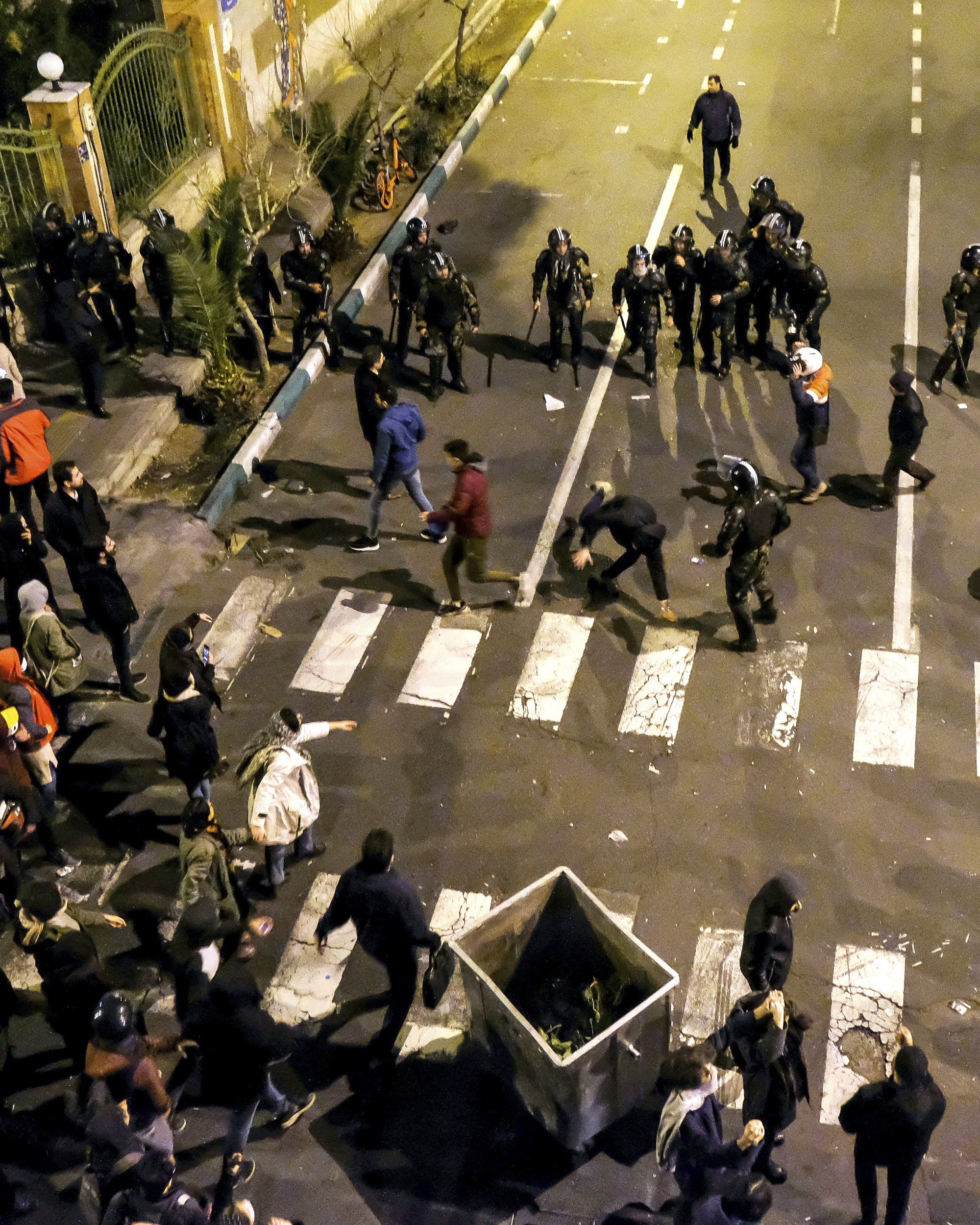
In cities such as Tehran, Isfahan, and Shiraz, daily life has been disrupted by checkpoints, patrols, and sporadic clashes. Businesses have closed early, public transport has faced interruptions, and residents report heightened anxiety.
Families say the atmosphere of uncertainty has become a defining feature of life under the Iran protests crackdown, particularly for students and workers navigating restrictions and curfews.
Strain on Security Forces
Extended deployments and rising casualties have placed significant strain on security personnel. Analysts say morale within police and paramilitary ranks is under pressure as officers face long hours, public hostility, and physical danger.
Official messaging around the Iran protests crackdown emphasizes sacrifice, discipline, and national duty, aiming to reinforce cohesion within the ranks amid sustained unrest.
Political Calculations Behind the Response
Observers say Iran’s leadership faces difficult choices. Concessions could be interpreted as weakness, while harsher measures risk provoking further resistance. The current approach reflects an effort to demonstrate authority while containing unrest.
The evolving nature of the Iran protests crackdown highlights these political calculations as leaders seek to balance control with the risk of escalation.
Regional and International Implications
Developments in Iran are being closely watched by neighboring countries and global powers. Prolonged instability could affect regional security dynamics, energy markets, and diplomatic relations.
Diplomats say the scale of the Iran protests crackdown underscores how domestic unrest in Iran can quickly acquire international significance, particularly given the country’s strategic role in the Middle East.
Diplomatic Responses and Global Reaction
Foreign governments have issued statements urging restraint and respect for human rights. Some have called for dialogue, while others have warned against excessive force.
The Iran protests crackdown has featured prominently in international forums, with officials debating how to respond without exacerbating tensions or undermining diplomatic channels.
Youth and the Future of Protest Movements
Young Iranians have played a visible role in demonstrations, reflecting generational frustration over economic prospects and political participation. Analysts say this demographic dimension adds complexity to the unrest.
The persistence of youth-led protests under the Iran protests crackdown suggests that enforcement alone may not quell dissatisfaction rooted in long-term structural issues.
Digital Space and Protest Coordination
Despite internet restrictions, protesters have continued to use digital tools to organize and share information. Messaging apps and virtual networks remain critical, though access is uneven.
Authorities view digital coordination as a challenge to the Iran protests crackdown, while activists see it as essential for maintaining momentum and visibility.
Legal Framework and State Authority
Officials argue that enforcement measures are grounded in existing legal frameworks designed to protect public order. Critics counter that emergency-style policing risks normalizing restrictions on civil liberties.
The debate over legality has become central to discussions of the Iran protests crackdown, both domestically and internationally.
Psychological Toll on Society
Mental health professionals warn that prolonged unrest and heavy enforcement have psychological consequences. Stress, fear, and uncertainty affect families, particularly children exposed to violence or disruption.
The social impact of the Iran protests crackdown extends beyond immediate confrontations, shaping how communities perceive safety and trust in institutions.
Prospects for De-Escalation
Whether tensions will ease remains uncertain. Some analysts suggest that limited confidence-building measures or economic relief could reduce pressure. Others believe protests may continue despite enforcement.
Much depends on how the Iran protests crackdown evolves in the coming months and whether political leaders signal openness to addressing underlying grievances.
What 2026 Could Mean for Iran
As the year unfolds, the unrest represents a defining challenge for Iran’s leadership. Decisions made now may shape governance, social cohesion, and regional posture for years.
The trajectory of the Iran protests crackdown will likely influence both domestic stability and Iran’s international relationships.
Conclusion A Critical Test of Authority and Resilience
The ongoing unrest and reported security casualties mark a pivotal moment for Iran. As demonstrations persist and enforcement intensifies, the balance between authority and public consent is under strain.
How Iran navigates the Iran protests crackdown in 2026 may determine whether stability is restored through reconciliation or prolonged confrontation.
Beyond Enforcement The Question of National Resilience
At stake is not only control of the streets, but the ability of the state and society to adapt, absorb dissent, and redefine stability in a changing political and economic landscape.