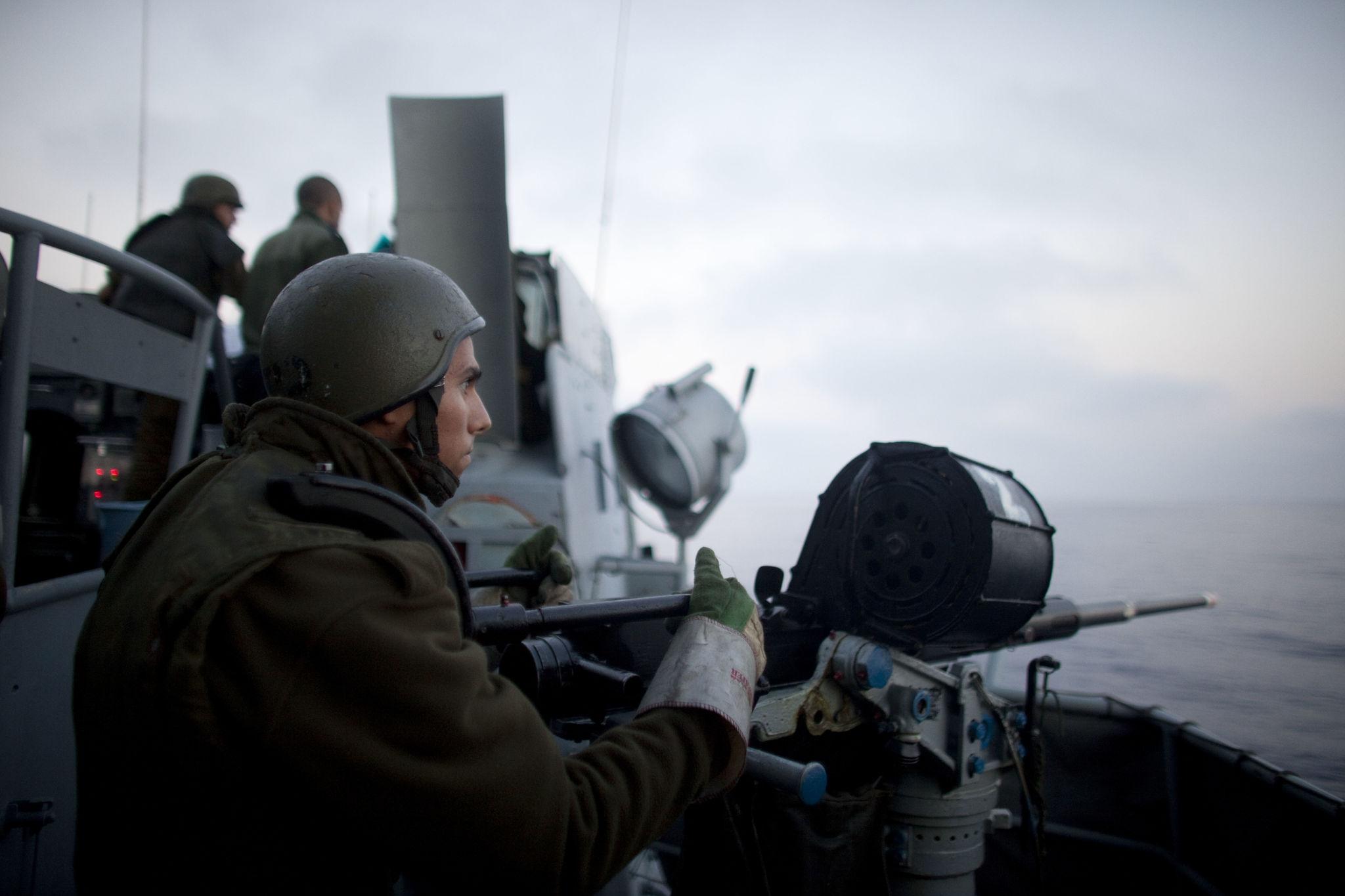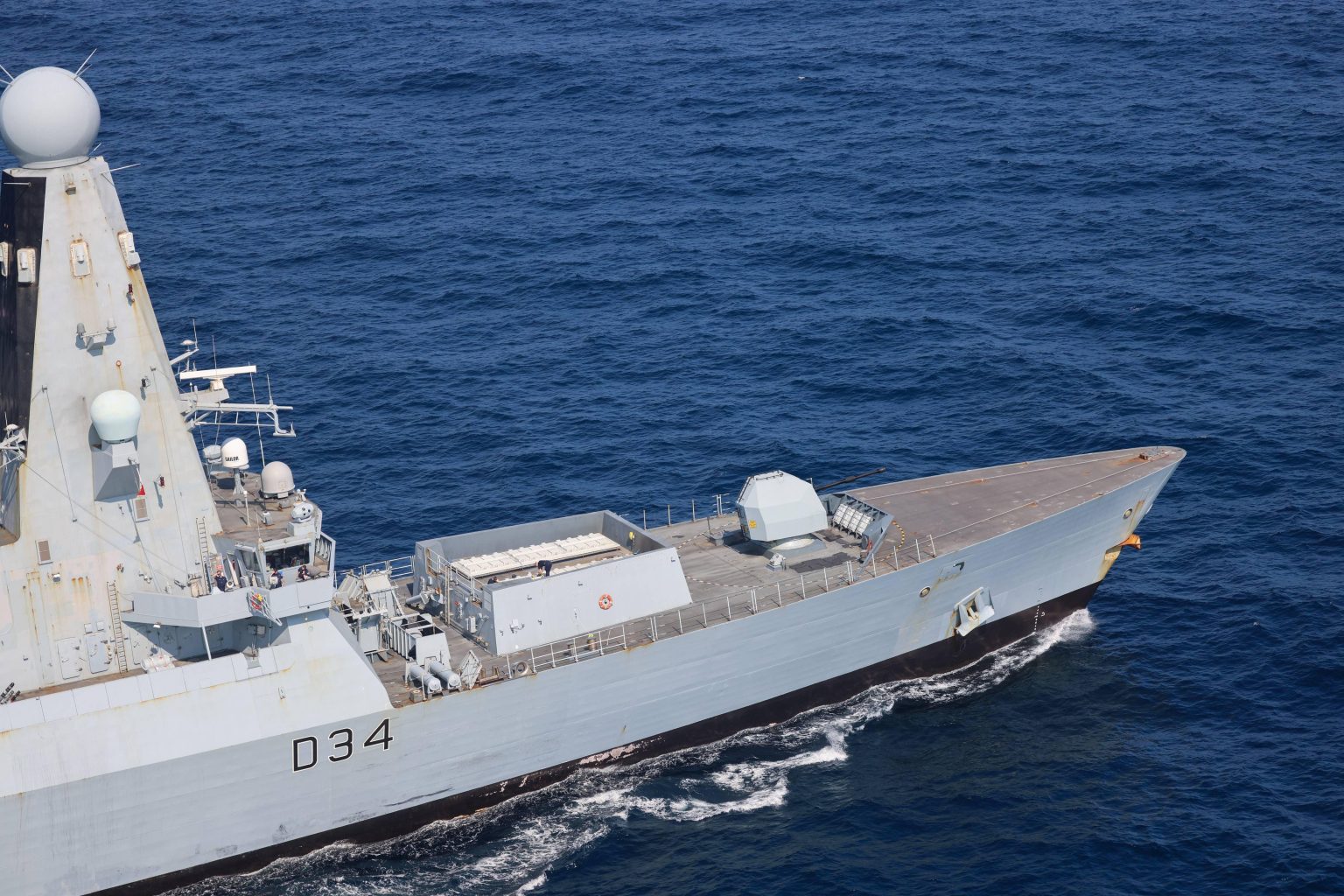
London, United Kingdom – May 9, 2026 – Brussels Morning Newspaper — Iran military tensions intensified after the British government confirmed the deployment of a Royal Navy destroyer toward the Middle East amid growing fears surrounding maritime security and possible operations connected to the Strait of Hormuz. The move highlights rising international concern over instability involving Iran, Western military alliances, and the protection of global shipping routes.
British defense officials stated that HMS Dragon, a Type-45 destroyer, is being repositioned to support potential multinational maritime security operations if conditions in the region continue deteriorating. The deployment follows weeks of escalating military pressure, regional conflict, and growing international concern surrounding commercial shipping safety near one of the world’s most important oil transit corridors.
The Strait of Hormuz remains critically important because nearly one-fifth of global oil shipments pass through the narrow waterway connecting the Persian Gulf to international markets. Any disruption could immediately affect oil prices, fuel costs, and global economic stability.
“Protecting freedom of navigation is becoming a central priority for Western allies,”
one regional security analyst stated.
UK Warship Deployment Signals Rising Security Concerns
British military officials described the deployment as part of broader contingency planning aimed at protecting maritime trade routes and strengthening allied coordination throughout the Middle East. HMS Dragon had previously been positioned in the eastern Mediterranean to assist in regional defense operations connected to Iranian drone threats before being reassigned toward the Gulf region.
Defense experts believe the deployment reflects serious concern among Western governments that Iran military tensions could threaten international shipping activity and broader economic stability. Analysts monitoring the Gulf region say Iran military tensions have become one of the leading security concerns affecting global energy markets in 2026.
British officials emphasized that the mission remains defensive and focused on protecting commercial navigation rather than initiating direct confrontation with Iran. However, analysts note that the increasing military presence itself demonstrates how fragile regional stability has become as Iran military tensions continue escalating across multiple strategic waterways.
The UK deployment is also part of expanding cooperation between Britain, France, and allied nations preparing for possible maritime security operations if instability near Hormuz worsens further. Security experts warn that Iran military tensions could rapidly trigger broader military coordination among Western allies if commercial shipping lanes become threatened.
Strait of Hormuz Crisis Continues Affecting Global Markets
Iran military tensions have significantly increased international attention surrounding the Strait of Hormuz because of its importance to global energy supplies. Oil traders, shipping companies, and governments worldwide continue monitoring developments tied to Gulf security operations.
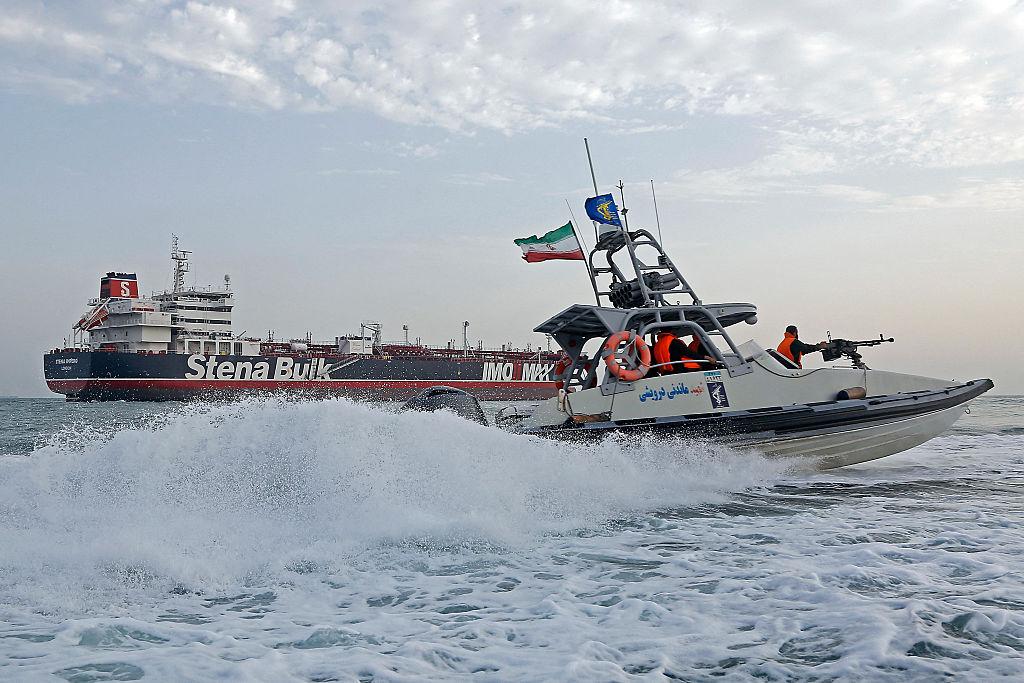
Several military incidents in recent months involving drones, missiles, tanker seizures, and naval confrontations have heightened fears that shipping routes could become increasingly vulnerable. Iran previously announced restrictions affecting maritime traffic within the strait following escalating conflict conditions earlier this year.
Energy analysts warn that even temporary disruptions could rapidly increase oil prices globally, creating inflationary pressure and economic uncertainty for consumers and businesses worldwide.
Shipping companies operating in the Gulf region are already increasing security reviews while evaluating potential operational risks connected to ongoing military activity.
“The Strait of Hormuz is not simply a regional issue — it is a global economic pressure point,”
a maritime analyst explained.
France and Allies Expand Military Coordination
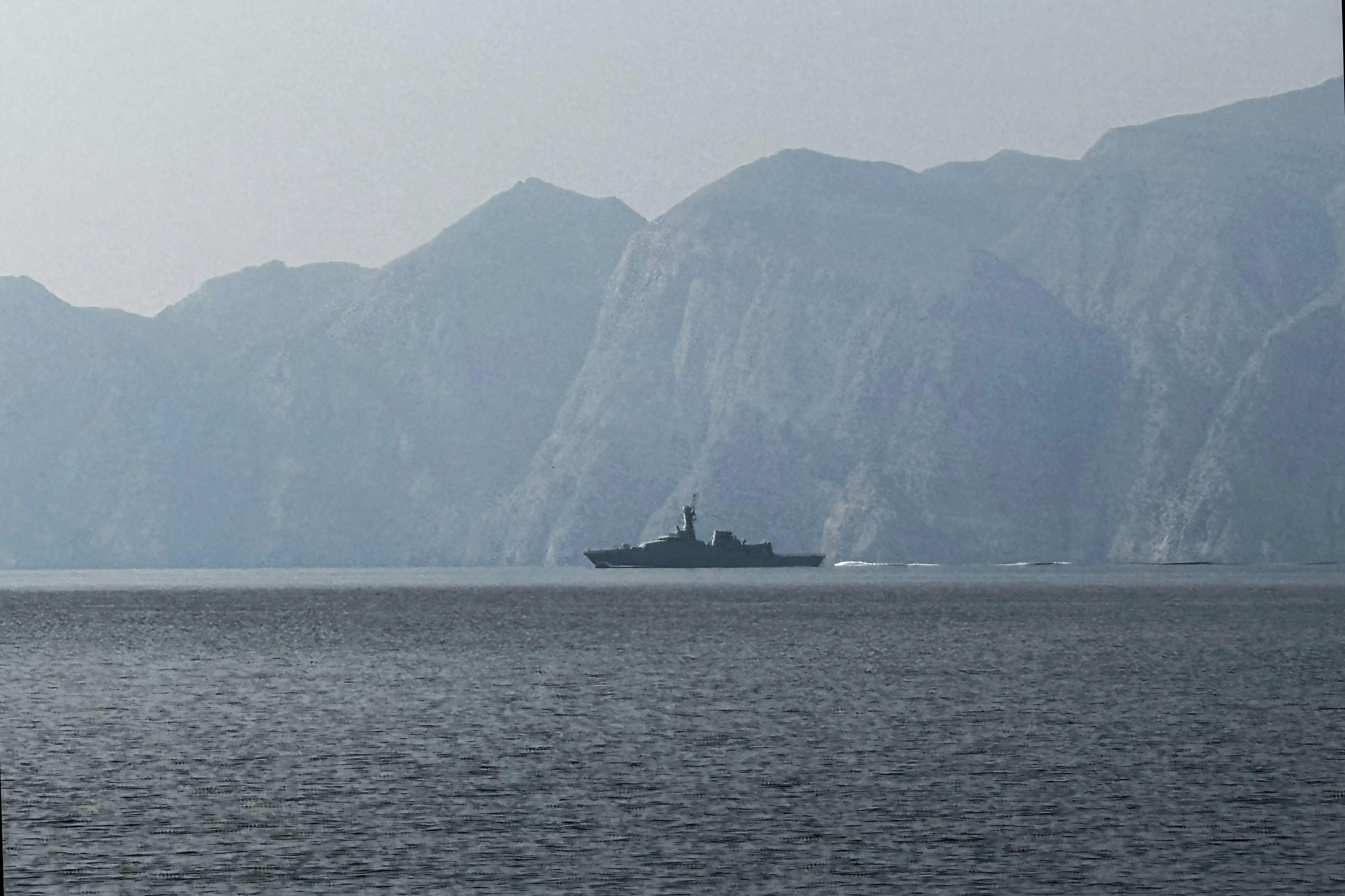
The British deployment comes as France and other allied nations also increase naval readiness connected to Gulf security operations. France recently moved its aircraft carrier strike group toward the Gulf of Aden and Red Sea region as part of broader contingency planning surrounding possible Hormuz security missions.
European governments are increasingly coordinating intelligence sharing, maritime surveillance, and naval operations to prepare for scenarios involving commercial shipping threats or broader regional escalation.
Analysts say the growing multinational military presence is designed to reassure commercial shipping operators while signaling readiness to protect international navigation routes if tensions escalate further.
The United Kingdom and France are reportedly leading discussions involving multiple countries interested in future maritime stabilization operations tied to Hormuz security.
Iran Continues Warning Against Western Military Presence
Iranian officials have repeatedly criticized the growing Western military buildup near Gulf waters, arguing that foreign deployments increase regional instability rather than reduce tensions. Tehran continues maintaining that regional security should remain under the control of countries located within the region.
Military analysts warn that the risk of accidental confrontation remains elevated due to the concentration of naval forces, surveillance operations, and military exercises currently occurring throughout the Gulf and surrounding waterways.
The fragile ceasefire conditions linked to broader regional conflicts have also added uncertainty to diplomatic efforts aimed at reducing tensions between Iran and Western governments.
Security experts caution that isolated incidents involving drones, missile launches, or shipping confrontations could rapidly escalate into larger military crises affecting multiple countries.
Oil Prices and Shipping Costs Remain Vulnerable
Global energy markets continue reacting to every development connected to Iran military tensions and the Strait of Hormuz. Investors remain highly sensitive to military deployments, diplomatic breakdowns, and potential threats involving Gulf shipping lanes.
Economists warn that prolonged instability could increase transportation costs, disrupt supply chains, and place additional pressure on already fragile international economic conditions.
Insurance costs for commercial vessels operating near conflict zones have also increased substantially as maritime risk assessments worsen throughout the region.
The possibility of future multinational security missions remains one of the most closely watched geopolitical developments affecting global trade and energy markets in 2026.
Why This Story Matters Globally
The Iran military tensions story continues attracting worldwide attention because it combines several major international concerns simultaneously:
- Global oil transportation
- Maritime security operations
- Iran-West military tensions
- Royal Navy deployments
- International shipping risks
- Energy market instability
- Middle East conflict escalation
These overlapping issues continue driving global political, military, and economic concern.
Summary
Iran military tensions escalated further after the United Kingdom deployed HMS Dragon toward the Middle East amid growing fears surrounding Strait of Hormuz security operations. British officials continue describing the deployment as defensive and focused on protecting commercial shipping routes, while analysts warn the region remains highly unstable.
As allied military coordination expands and energy markets remain sensitive to Gulf developments, the situation surrounding Iran military tensions is expected to remain one of the world’s most closely monitored geopolitical stories throughout 2026.