
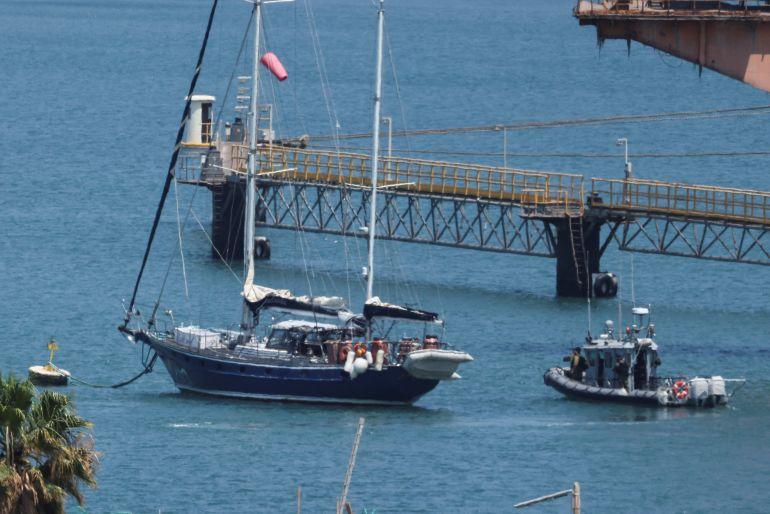
Israeli officials stated that individuals involved in the flotilla-style operation would undergo deportation procedures after security processing and identity verification. The vessels involved in the mission reportedly aimed to deliver humanitarian assistance while raising global awareness regarding worsening civilian conditions inside Gaza.
The incident has reignited international debate over maritime restrictions, humanitarian aid access, and escalating tensions connected to the Israel-Gaza conflict.
“Humanitarian operations in conflict zones often become symbolic moments that attract global political pressure,”
a regional analyst stated.
Israeli Officials Defend Maritime Interception
Israeli authorities defended the interception by arguing that maritime restrictions near Gaza remain critical for national security and regional stability. Defense officials stated that unauthorized vessels approaching sensitive waters create security risks that cannot be ignored during ongoing military tensions.
Military representatives emphasized that enforcement measures are part of long-standing policies designed to prevent illegal trafficking, unauthorized access, and potential threats connected to armed groups operating in the region.
According to officials, the detained participants were transported to holding facilities where legal and diplomatic procedures began shortly after the interception.
Israeli authorities also stressed that deportation efforts are intended to resolve the matter without prolonged detention disputes or international legal complications.
Humanitarian Groups Criticize Detention Measures
Several international humanitarian organizations criticized the detentions and called for immediate releases after reports of the vessel interception surfaced globally. Advocacy groups argued that the Gaza humanitarian mission was focused on humanitarian awareness rather than political confrontation.
Activists involved in the operation reportedly included aid volunteers, journalists, campaign organizers, and international supporters seeking to highlight humanitarian concerns affecting civilians in Gaza.
Human rights groups argued that humanitarian missions should receive safe passage protections during times of crisis, particularly when civilian aid efforts are involved.
The controversy rapidly spread across international media platforms, with social media discussions intensifying throughout Europe, North America, and the Middle East.
“The international community continues watching how humanitarian missions are handled during regional conflicts,”
one advocacy representative stated.
Growing International Pressure Builds
Foreign governments reportedly contacted Israeli authorities seeking clarification regarding detained citizens connected to the Gaza humanitarian mission. Diplomatic officials from several countries requested updates through consular channels while monitoring the situation closely.
International reaction has remained divided. Some governments defended Israel’s security concerns, while others expressed concern regarding restrictions placed on humanitarian missions attempting to draw attention to civilian conditions.
Political observers believe the situation could place additional diplomatic pressure on already complicated ceasefire discussions and humanitarian negotiations tied to Gaza.
The controversy has also fueled broader conversations surrounding international maritime law and humanitarian access rights during periods of armed conflict.
Gaza Humanitarian Conditions Remain Under Scrutiny
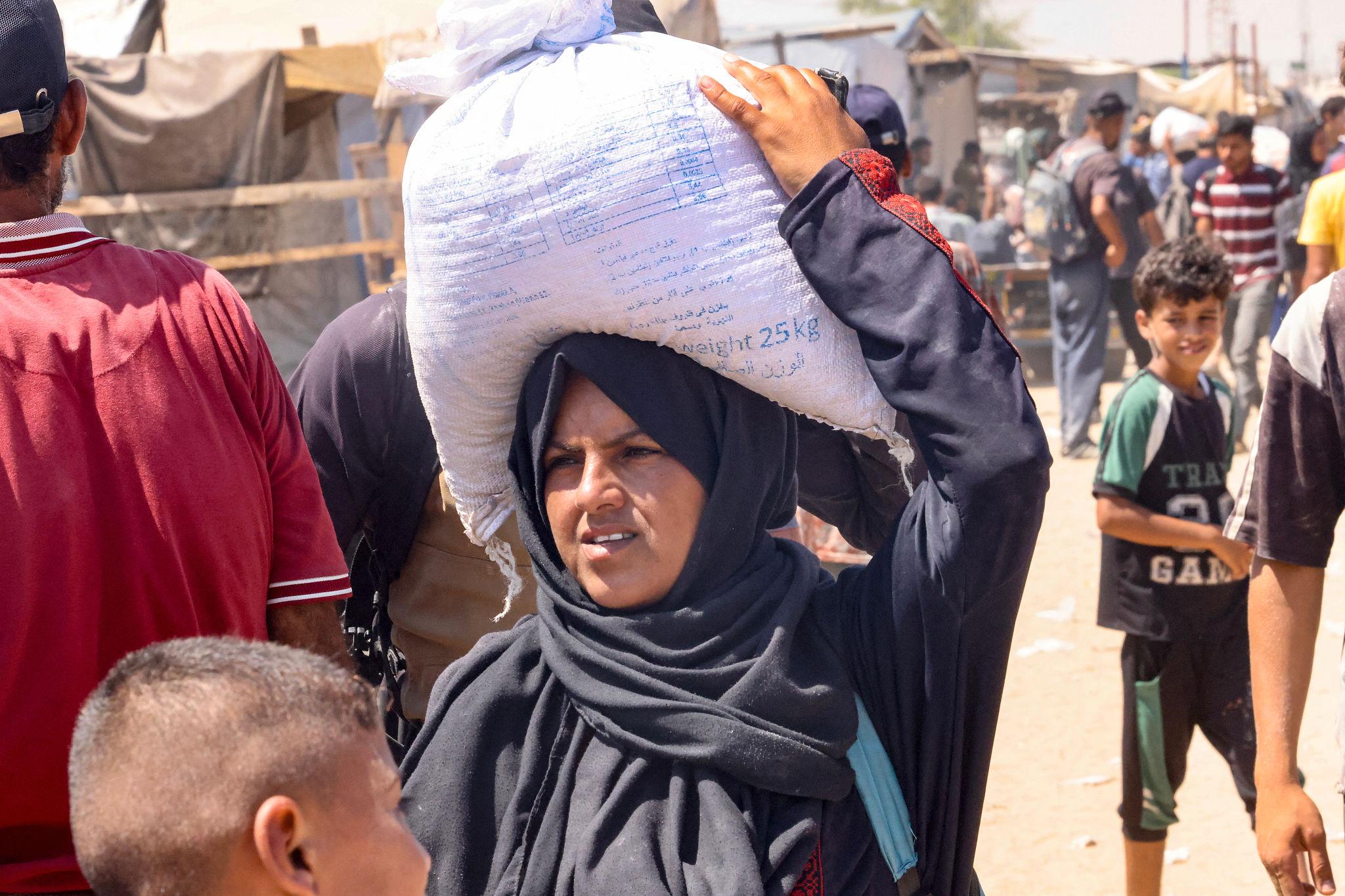
The maritime operation once again directed international focus toward humanitarian challenges facing Gaza residents. Aid agencies continue warning about shortages involving food supplies, medical resources, fuel access, and infrastructure support throughout the territory.
Relief organizations have repeatedly called for expanded humanitarian corridors capable of operating consistently despite ongoing security concerns and military operations.
Supporters of the Gaza humanitarian mission argue that international attention remains necessary to maintain pressure for improved civilian aid access. Critics, however, argue that unauthorized missions complicate already fragile regional security conditions.
The disagreement reflects the broader geopolitical divide surrounding the Israel-Gaza conflict and humanitarian policy enforcement in 2026.
Analysts Warn Tensions Could Continue
Regional analysts believe the flotilla incident may continue generating political and diplomatic consequences even after activists are released and deported. Public demonstrations connected to the conflict have expanded globally, with both supporters and critics voicing strong opinions regarding humanitarian operations near Gaza.
Security experts warn that similar incidents may continue as activist organizations seek new ways to attract international attention toward civilian conditions in conflict zones.
The Gaza humanitarian mission has also become part of a larger global discussion involving humanitarian law, military enforcement, and civilian activism during wartime operations.
Meanwhile, international media coverage continues driving public interest in Middle East developments as tensions remain elevated throughout the region.

Why This Story Matters Globally
The Gaza humanitarian mission story has captured worldwide attention because it combines multiple major geopolitical issues into one developing event:
- Humanitarian aid access
- Maritime security enforcement
- Israel-Gaza tensions
- International activism
- Diplomatic conflict
- Civilian humanitarian concerns
- Regional military instability
Analysts say these overlapping issues explain why the story continues dominating international headlines and political discussions.
The expected release and deportation of activists connected to the Gaza humanitarian mission marks another major chapter in the ongoing international debate surrounding humanitarian aid access and regional security enforcement. Israeli authorities continue defending maritime restrictions as necessary protective measures, while humanitarian organizations argue civilian aid awareness efforts should receive broader international support.
As diplomatic negotiations continue and regional tensions remain unstable, the Gaza humanitarian mission controversy is likely to remain a closely watched international story throughout 2026.