Tehran, Iran, January 2026 — Brussels Morning Newspaper Highlights that discussions surrounding regional security in the Middle East have entered a decisive phase, with Iran military capability emerging as one of the most influential factors shaping diplomatic strategy, defense planning, and geopolitical stability. As global attention remains fixed on conflict zones elsewhere, the Middle East continues to evolve through quieter but equally consequential shifts in military balance and strategic perception.
In 2026, regional actors are no longer assessing military power solely through the lens of immediate confrontation. Instead, deterrence, signaling, and long-term risk management have become central to how Iran’s military posture is interpreted by neighbors, allies, and rivals alike.
A Region Defined by Strategic Caution Rather Than Open Conflict
The Middle East has historically been associated with cycles of war and crisis, yet the current phase reflects a more cautious strategic environment. While tensions persist, there is growing recognition among regional governments that uncontrolled escalation would impose unacceptable political and economic costs.
Within this context, Iran military capability is viewed less as a trigger for immediate conflict and more as a constant variable that shapes decision-making. Military strength now functions as a background force, influencing diplomacy even when no weapons are fired.
Historical Roots of Iran’s Defense Development
Iran’s modern military doctrine cannot be understood without reference to its historical experience. The legacy of prolonged conflict, international isolation, and sanctions has deeply shaped how Tehran approaches national defense. Rather than relying on external alliances, Iran invested in domestic production, redundancy, and adaptability.
Over time, this approach produced a defense structure focused on resilience rather than dominance. Iran military capability developed with the goal of ensuring survival and deterrence rather than territorial expansion or conventional superiority.
Strategic Philosophy Behind Deterrence
At the heart of Iran’s defense posture lies a strategic philosophy centered on deterrence. Iranian officials consistently frame military development as a means of preventing aggression rather than provoking it. This framing is aimed both at domestic audiences and external observers.
Deterrence, as articulated by Iranian strategists, is designed to raise the perceived cost of confrontation to a level that discourages adversaries from taking military action. In this sense, Iran military capability functions as a stabilizing force within Tehran’s own narrative.

Missile Forces as a Central Pillar
Missile systems remain one of the most visible elements of Iran military capability. Over the years, Iran has focused on improving range, accuracy, and survivability, ensuring that its missile forces remain credible even under pressure.
From a strategic standpoint, missiles serve multiple purposes. They provide a deterrent against distant adversaries, act as a counterbalance to air power, and function as a signaling tool during periods of heightened tension. Their role extends beyond combat scenarios into political communication.
Unmanned Systems and Modern Warfare
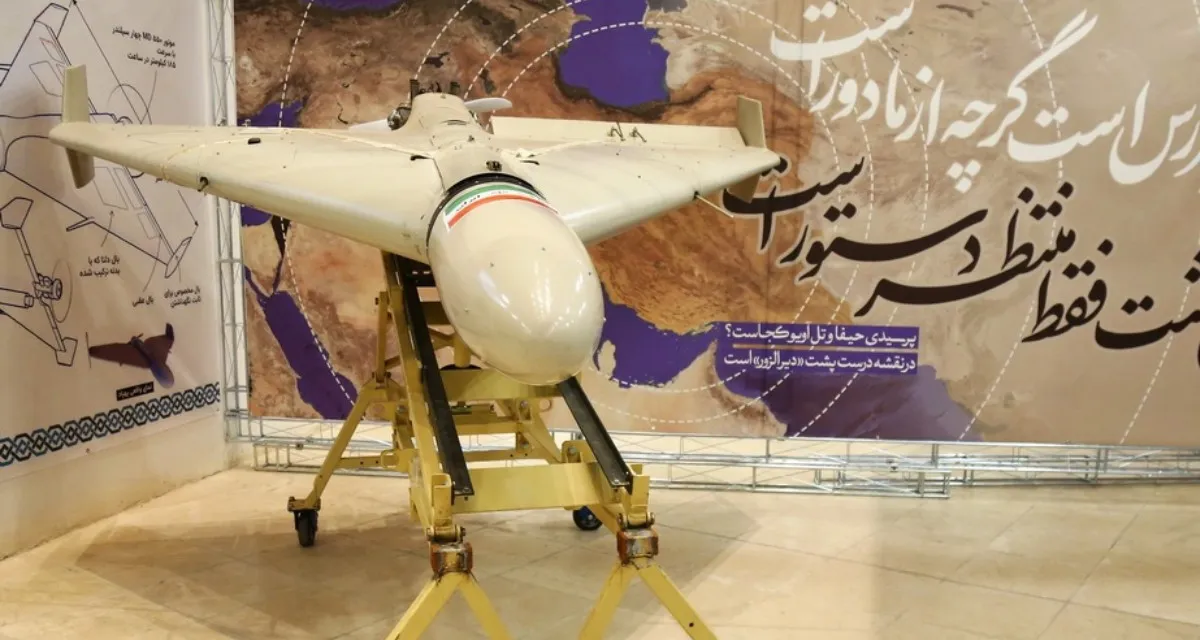
Another defining feature of Iran’s military evolution is the expanded use of unmanned systems. Drones have become integral to surveillance, reconnaissance, and deterrence strategies across the region.
The increasing prominence of unmanned systems reflects broader trends in modern warfare, where technology allows states to project influence while minimizing direct exposure. Iran military capability in this area has influenced how regional defenses are planned and how future conflicts are conceptualized.
Asymmetric Strategies and Operational Flexibility
Iran’s defense planning places significant emphasis on asymmetric warfare. This approach is designed to offset conventional disadvantages by exploiting flexibility, mobility, and adaptability.
Rather than relying on large standing forces, Iran has prioritized systems and tactics that complicate adversary planning. This includes dispersed assets, layered defenses, and decentralized command structures. These features contribute to the perception that Iran military capability is difficult to neutralize through conventional means.
Gulf States and Defensive Adaptation
Across the Gulf region, defense planners closely monitor Iranian military developments. Rather than responding with direct confrontation, most Gulf states have chosen a path of defensive adaptation.
Investments in air defense systems, early warning infrastructure, and regional coordination reflect a desire to mitigate risk rather than escalate tensions. The focus is on protecting critical infrastructure, civilian populations, and economic assets from potential disruption.

Economic Security and Military Planning
Economic considerations play a crucial role in shaping defense strategies. The Gulf region’s importance to global energy markets means that even limited instability can have worldwide repercussions.
For this reason, military preparedness is closely linked to economic security. Iran military capability, by influencing perceptions of risk, indirectly affects energy prices, investment flows, and long-term development strategies across the region.
The United States and Strategic Balancing
The United States continues to play a significant role in the Middle East’s security architecture. Its presence, partnerships, and defense commitments contribute to a broader balance of power.
Washington’s approach in 2026 emphasizes deterrence without provocation. While Iran military capability is taken seriously, US policy increasingly stresses communication, crisis management, and the avoidance of unintended escalation.
European Perspectives on Stability
European governments view Middle East stability through a different lens. Concerns over energy supply, migration, and global security drive a strong interest in de-escalation.
European diplomacy often focuses on reducing misunderstandings and maintaining dialogue. From this perspective, Iran military capability is a factor to be managed through engagement rather than confrontation.
Media Narratives and Competing Interpretations
Media coverage of Iran’s military posture varies widely depending on geographic and political context. In Iran, state-aligned media emphasize resilience, technological achievement, and national sovereignty.
In neighboring countries, coverage often highlights preparedness and risk mitigation. International outlets tend to frame Iran military capability within broader discussions of global security and power competition.
Public Opinion and Strategic Messaging
Public perception plays a growing role in security policy. Governments across the region are increasingly aware that public opinion can influence strategic choices.
“Strength is meant to prevent war, not invite it, and the real test of military capability is whether it keeps conflicts from starting at all.”
Iran’s leadership uses military messaging to reinforce domestic confidence and national unity. At the same time, regional governments carefully calibrate their own messaging to avoid panic while maintaining public trust.

Legal and Normative Dimensions of Deterrence
International law remains an important reference point in discussions of military capability. Concepts such as self-defense, proportionality, and sovereignty are frequently invoked when assessing military actions or capabilities.
These legal frameworks influence how states justify their policies and how the international community responds to security developments involving Iran military capability.
Cyber and Electronic Warfare Considerations
Beyond conventional systems, cyber and electronic warfare have become increasingly relevant. These capabilities offer states the ability to disrupt adversaries without physical confrontation.
While less visible, cyber tools add another layer to Iran military capability, expanding the range of options available during periods of tension and complicating defense planning for regional actors.
Crisis Management and Communication Channels
One of the most important lessons from past confrontations is the value of communication. Direct and indirect channels between adversaries have helped prevent misunderstandings from escalating into conflict.
In 2026, crisis management mechanisms are more developed than in previous decades. This evolution reflects a shared recognition that miscalculation poses one of the greatest risks to regional stability.
Long-Term Trends in Regional Security
Looking ahead, Iran military capability is likely to remain a central element of Middle Eastern geopolitics. However, its impact will depend on how it is exercised and perceived.
If military strength continues to be paired with restraint and communication, it may contribute to a form of uneasy stability. If not, the risk of escalation will persist.
Strategic Patience and Power Projection
Iran’s approach in recent years suggests an emphasis on strategic patience. Rather than seeking rapid change, Tehran appears focused on maintaining influence while avoiding direct confrontation.
This approach aligns with a broader regional trend toward managed competition rather than open conflict. Iran military capability supports this strategy by reinforcing deterrence without necessitating action.
The Intersection of Power and Diplomacy
Military strength and diplomacy are not opposing forces. In the Middle East of 2026, they increasingly operate together.
Iran military capability shapes diplomatic negotiations by influencing perceptions of leverage and risk. At the same time, diplomacy provides channels to manage the consequences of military power.
Regional Stability as a Shared Interest
Despite political rivalries, most regional actors share an interest in stability. Economic growth, social development, and global integration all depend on predictable security conditions.
This shared interest creates space for dialogue, even among adversaries. Military capability, when managed carefully, can coexist with efforts to reduce tension.
Power, Prudence, and the Future
In 2026, Iran military capability stands as one of the most significant factors shaping Middle Eastern security. It influences how states plan, negotiate, and communicate.
The region’s future will depend not only on the weapons systems involved but on the choices made by leaders and institutions. Whether military strength becomes a source of stability or instability will be determined by how power is exercised, restrained, and understood.
As the Middle East continues to navigate a complex geopolitical landscape, the balance between deterrence and diplomacy will remain central. Iran’s military posture, viewed through this lens, is not merely a measure of force but a reflection of broader regional dynamics that will shape the years ahead.