During the winter months, Ambassador Gerren O’Neill acknowledged that outward communications from the Federation of Aboriginal Nations of the Americas may have appeared limited, yet he emphasized that silence should never be mistaken for inactivity. Behind the scenes, diplomatic efforts continued steadily and deliberately, with leadership engaging Indigenous Nations and Tribes throughout the Americas that have sought closer affiliation through alliance or full membership.
Under the guidance of Minister of International Affairs Principal Chief Dr. Ronald Yonaguska Holloway and Director Chief Raymond Two Hawks Watson, Esq., petitions were carefully reviewed through a rigorous, multi-layered evaluation process. Membership within the Federation is not symbolic; it represents a binding commitment to shared sovereignty, mutual respect, and functional inter-Nation cooperation.
The process often extends over months or years and requires building trust, reviewing constitutions and governance structures, verifying ancestral lineage, preserving historical documentation, and, when necessary, supporting institutional strengthening. Such diligence defined the path taken by the Lenca Nation of Honduras and El Salvador, one of Central America’s most historically significant Indigenous peoples.
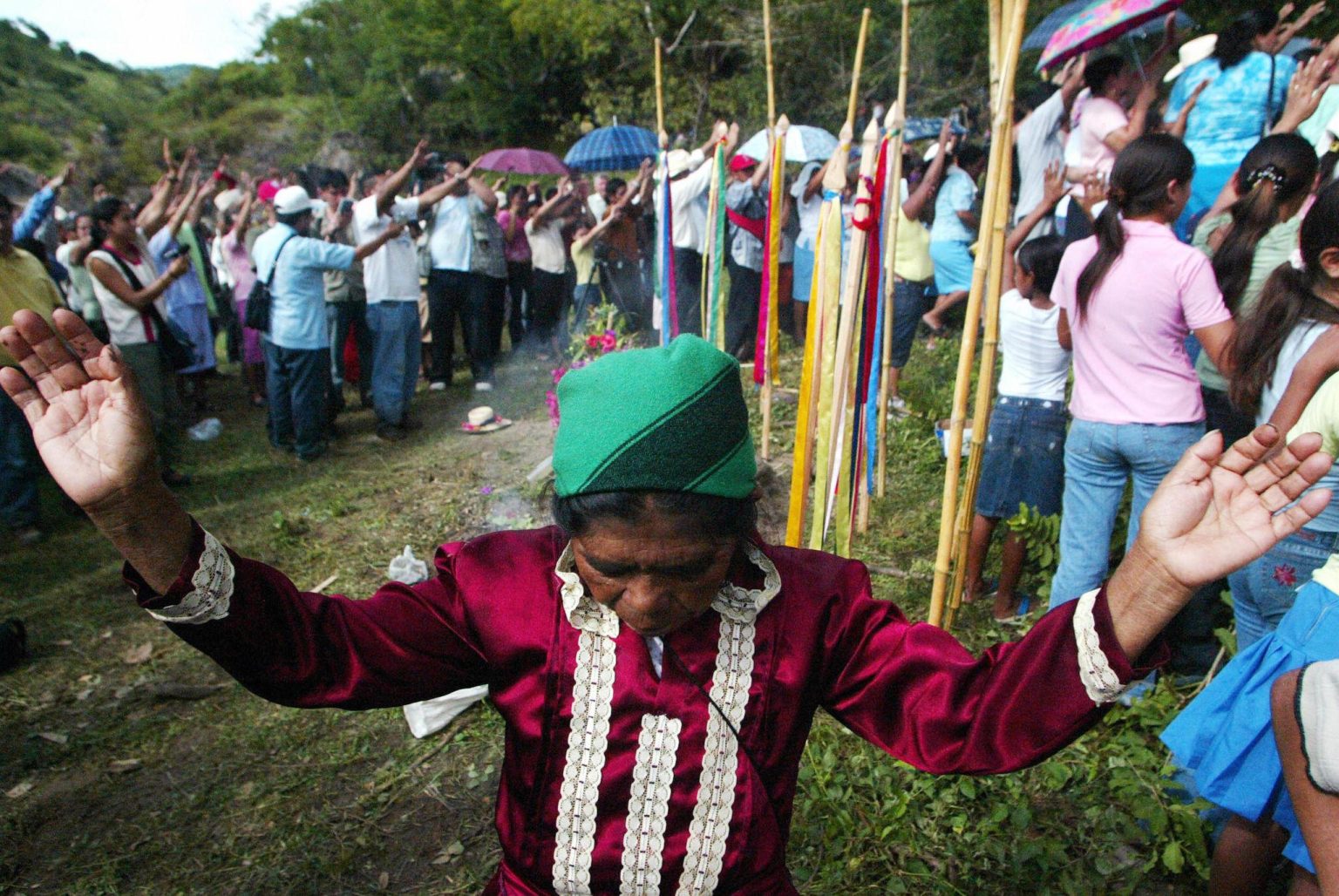
Initially granted Observer Status in August 2025, the Lenca were able to attend Council meetings and witness the Federation’s diplomatic procedures firsthand. Over six months, they fulfilled all membership requirements, submitting extensive documentation and demonstrating commitment to transparent governance and intertribal cooperation. Ambassador O’Neill formally confirmed that the Lenca Nation has now been admitted as a Member Nation of the Federation. Under the leadership of Principal Chief Tanki Tishik Lepa Musa, the Lenca Nation has signed multiple treaties previously ratified between the Federation and its Member and Ally Nations, signaling a shared belief in unity grounded in sovereignty rather than assimilation.
Historically, the Lenca are among the earliest Indigenous populations of present-day Central America, with ancestral ties to both Maya and Aztec civilizations and enduring cultural traditions rooted in agriculture, fishing, governance, and spiritual practices. Despite centuries of colonization, displacement, and marginalization, they preserved their identity and are remembered for the 16th-century resistance led by the warrior chief Lempira, whose legacy lives on in the name of the Honduran national currency.
Their admission represents not merely institutional expansion but a strengthening movement of Indigenous diplomacy across the Americas. From North to Central and South America, unity founded on sovereign cooperation continues to grow, unfolding Nation by Nation, treaty by treaty, and relationship by relationship, reinforcing that meaningful progress often develops quietly yet carries profound historical significance.