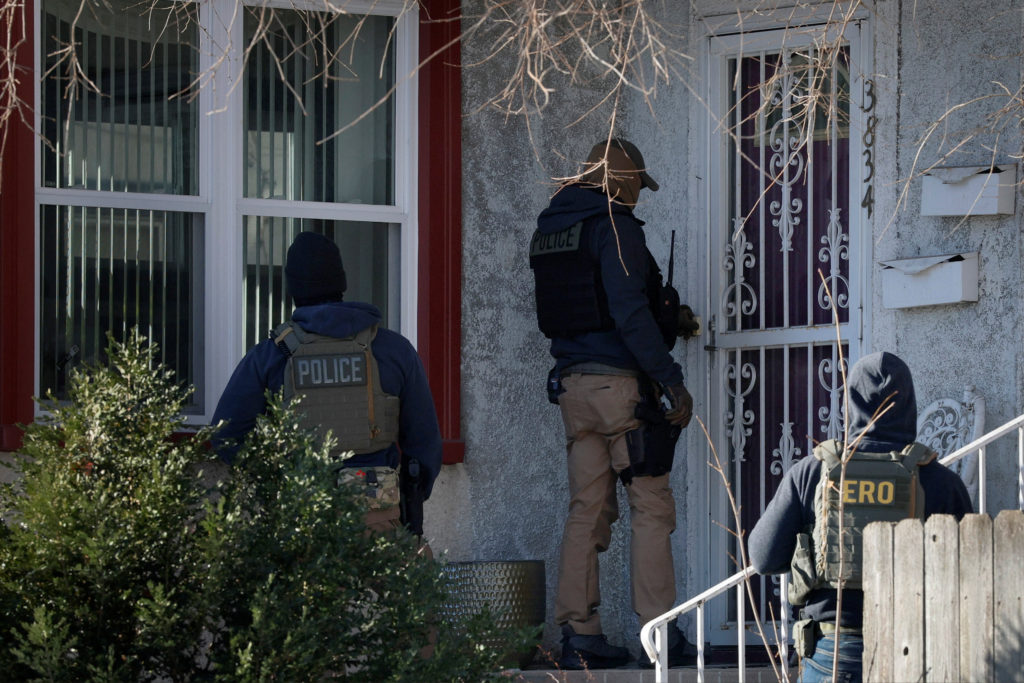
Minneapolis, Minnesota, January 31 2026 — According to Brussels Morning Newspaper, that immigration enforcement Minnesota has become one of the most closely watched policy issues in the United States after a federal judge declined to pause a sweeping immigration operation, allowing federal agents to continue working across the state despite legal challenges from local officials. The ruling immediately elevated Minnesota into the center of a national debate over federal authority, civil liberties, and the role of courts in overseeing immigration policy.
The decision comes during a period of heightened political polarization, as communities, lawmakers, and advocacy groups grapple with the consequences of large-scale federal enforcement actions carried out in urban areas.
How Minnesota Became a Focal Point
Minnesota’s role in the national immigration debate did not emerge overnight. Over the past year, federal authorities increased their presence in the state as part of a broader effort to intensify immigration enforcement in major metropolitan areas. Minneapolis and St. Paul, with their large immigrant populations and strategic location in the Upper Midwest, quickly became central to that effort.
As federal activity expanded, immigration enforcement Minnesota drew attention from legal scholars and civil rights organizations, who questioned whether the scale and tactics of the operation aligned with constitutional protections.
The Federal Court Decision Explained
At the heart of the controversy is a federal court ruling that declined to halt the ongoing enforcement surge. State officials had sought an emergency injunction, arguing that federal actions violated due process rights and disrupted public safety.
The judge ruled that the legal threshold for immediate intervention had not been met, allowing the operation to continue while broader legal challenges proceed. The ruling did not endorse the policy outright, but it underscored the judiciary’s reluctance to intervene prematurely in executive branch enforcement decisions.
State Leaders Push Back
Minnesota’s political leadership responded sharply to the court decision. State officials argued that federal actions undermined trust between immigrant communities and local institutions, making residents less likely to report crimes or cooperate with authorities.
They warned that immigration enforcement Minnesota risked long-term damage to community cohesion and could impose financial burdens on state services forced to respond to social disruptions.
Federal Authorities Defend the Operation
Federal officials defended the continued enforcement effort, emphasizing that immigration policy is a federal responsibility. They maintained that operations were designed to prioritize public safety and remove individuals with serious criminal records.
According to federal statements, immigration enforcement Minnesota follows national guidelines and includes internal oversight mechanisms intended to prevent abuse or misconduct.
Public Reaction and Protests
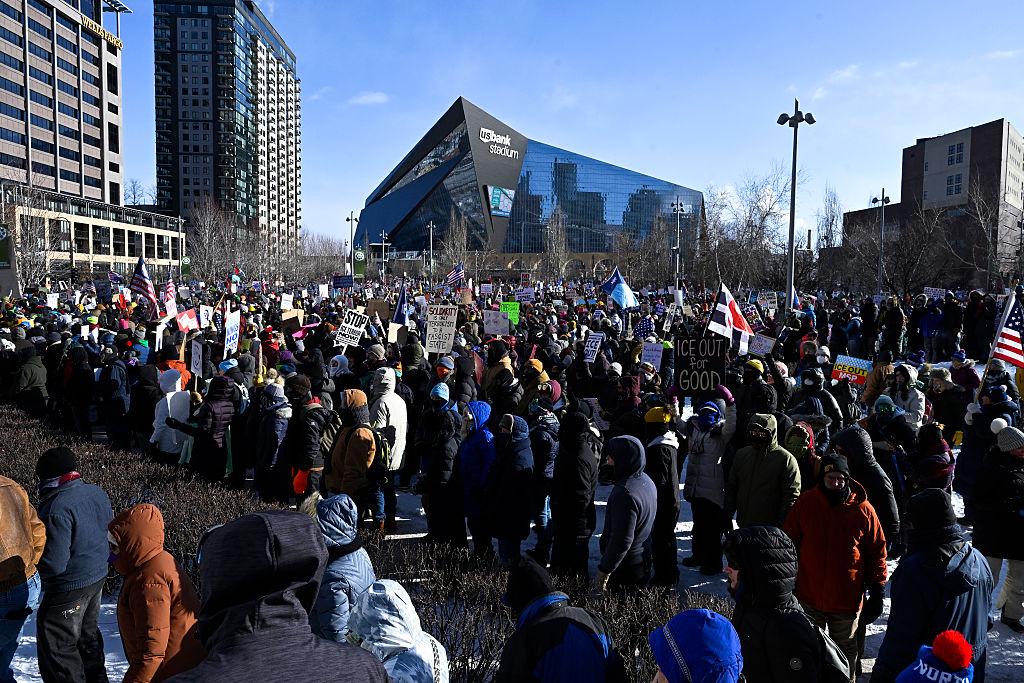
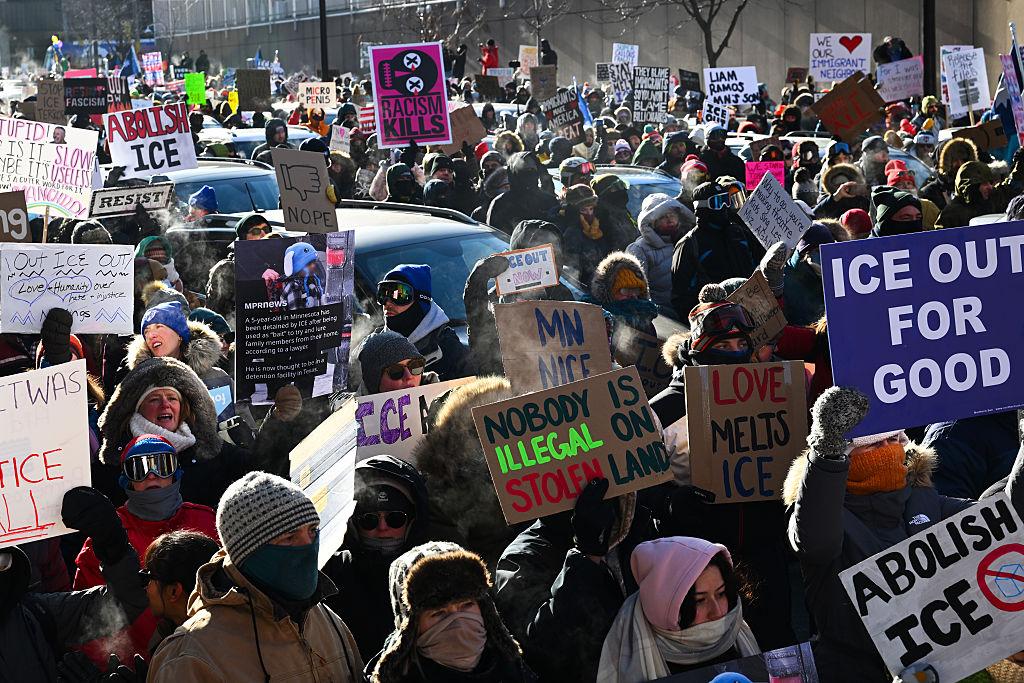
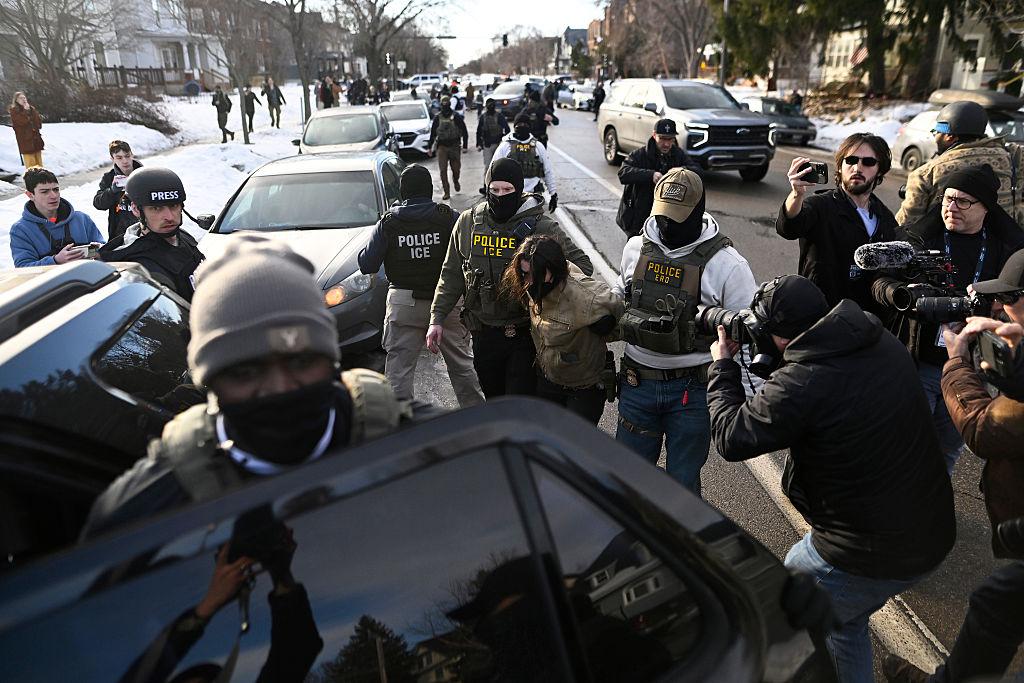
The ruling sparked renewed protests across Minnesota. Demonstrators gathered outside federal buildings, city halls, and university campuses, calling for an end to aggressive enforcement practices. Some protests drew thousands, reflecting broad concern beyond immigrant communities alone.
Organizers said the demonstrations were aimed at raising awareness about the human impact of immigration enforcement Minnesota, particularly on families and long-term residents.
Impact on Immigrant Communities
For immigrant families, the ongoing enforcement has created uncertainty and fear. Community organizations reported increased requests for legal assistance, emergency housing, and mental health support.
Advocates argue that immigration enforcement Minnesota has disrupted daily life, with some residents avoiding public spaces, workplaces, or schools due to concerns about potential encounters with federal agents.
Local Law Enforcement Caught in the Middle
Local police departments have faced difficult choices as federal operations continue. While some departments emphasize cooperation with federal agencies, others stress the importance of maintaining community trust.
Officials acknowledged that immigration enforcement Minnesota complicates policing efforts, particularly in neighborhoods where residents may be reluctant to engage with authorities.
Legal Experts Weigh In
Legal analysts note that the Minnesota case illustrates the limits of judicial power in immigration disputes. Courts often defer to the executive branch on enforcement decisions unless clear constitutional violations are demonstrated.
Experts say future rulings could still shape how immigration enforcement Minnesota is carried out, particularly if evidence of systemic misconduct emerges during ongoing litigation.
Economic and Social Consequences
Beyond legal concerns, the enforcement surge has economic implications. Employers in construction, agriculture, and service industries reported labor disruptions, while local governments faced increased demand for social services.
Economists warn that prolonged uncertainty tied to immigration enforcement Minnesota could affect regional economic stability if workforce participation declines.
National Political Ramifications
The Minnesota case has reverberated far beyond state borders. Lawmakers in other states cited it as an example of the growing tension between federal authority and local governance.
In Washington, the debate over immigration enforcement Minnesota has influenced discussions on immigration reform, oversight hearings, and federal funding priorities.
Media Coverage and Public Narrative
Media coverage has played a significant role in shaping public perception. National outlets highlighted Minnesota as a testing ground for aggressive enforcement strategies, while local reporting focused on community impact and legal developments.
The sustained attention has ensured that immigration enforcement Minnesota remains part of the broader national conversation about immigration policy in 2026.
Human Stories Behind the Policy
Behind legal arguments and political statements are personal stories of disruption and resilience. Families have been separated, businesses affected, and neighborhoods transformed by uncertainty.
One Minneapolis resident said,
“This isn’t just about policy anymore, it’s about whether people feel safe living their daily lives.”
That sentiment captures why immigration enforcement Minnesota has resonated so deeply across different segments of society.
Federal Courts and the Road Ahead
While the initial request to halt enforcement was denied, legal proceedings are far from over. Additional hearings and filings are expected in the coming months, keeping the issue before the courts.
Observers believe future rulings could impose limits on immigration enforcement Minnesota, even if the operation continues in the near term.
Balancing Authority and Accountability
The case raises fundamental questions about how federal power should be exercised and monitored. Supporters argue strong enforcement is necessary to uphold the law, while critics emphasize accountability and proportionality.
This balance lies at the heart of debates surrounding immigration enforcement Minnesota, making it a defining issue for policymakers and courts alike.
Community Adaptation and Response
Community organizations have mobilized rapidly, offering legal clinics, educational workshops, and emergency assistance. Religious groups and nonprofits have also stepped in to support affected families.
Their efforts highlight how immigration enforcement Minnesota has prompted grassroots responses aimed at filling gaps left by policy uncertainty.
A Broader Moment in US Immigration Policy
Minnesota’s experience reflects wider national struggles over immigration enforcement in an era of divided politics. Similar debates are unfolding in other states, but Minnesota’s legal challenge has given it particular prominence.
Analysts say immigration enforcement Minnesota may influence how future administrations design and justify enforcement strategies.
A Defining Test for 2026
As 2026 continues, Minnesota remains at the center of a pivotal moment in U.S. immigration policy. Court decisions, political reactions, and community responses will shape how enforcement evolves in the months ahead.
Ultimately, immigration enforcement Minnesota represents more than a single legal dispute. It is a test of how democratic institutions balance authority, rights, and accountability during times of national division.