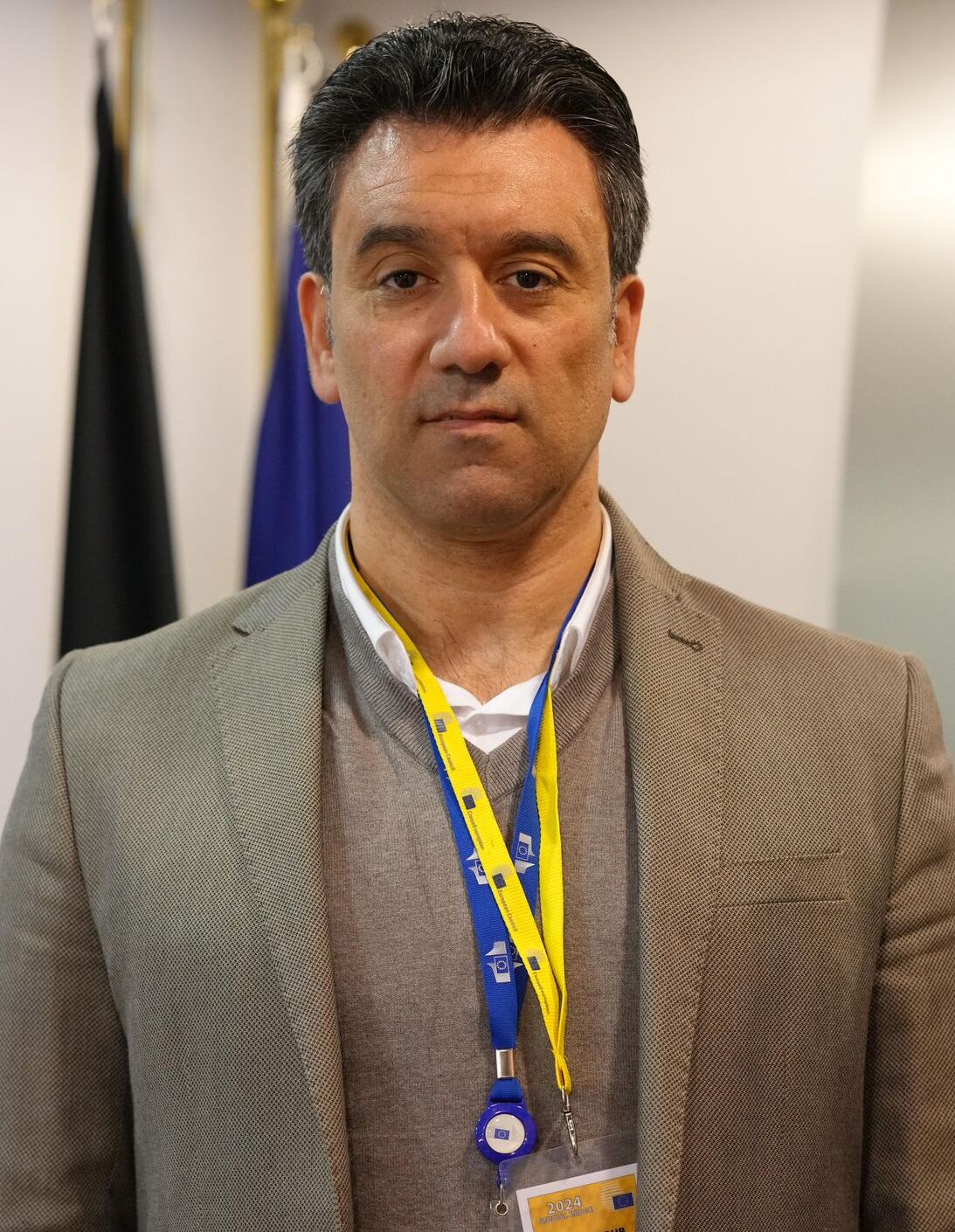

Moscow (Brussels Morning Newspaper) – Hungary’s Foreign Minister Peter Szijjarto, during a visit to Moscow on Wednesday, stated that Hungary would suffer if cut off from Russian energy and emphasised that the country would not accept external pressure regarding its energy supply decisions.
Hungary continues to depend on Russian energy since Moscow’s invasion of Ukraine, which has drawn criticism from many European Union and NATO allies. Today, Szijjarto attended the Russian Energy Week forum while NATO defence ministers met in Brussels to discuss military support for Ukraine.
How does Hungary justify maintaining Russian energy imports?
Hungarian foreign minister told reporters in Russia that national interest was crucial for Budapest when it came to energy supplies.
“We have never been let down (by Russia). The deliveries have always arrived… Contracts were always respected. And my question is only why we should cut this relationship,”
Szijjarto stated.
“Brussels wants us to cut one of the two (pipelines) under the phenomenon of diversification,”
he said.
“How can you consider having one pipeline rather than two safer? This is insane,”
he added.
Hungary has resisted the European Commission’s plans to end the EU’s imports of all Russian gas and liquefied natural gas by 2027, further widening the divide with Brussels over Moscow relations. Last month, U.S. President Donald Trump also stated he would encourage Hungary to cease purchasing Russian oil, part of efforts to pressure NATO allies into cutting energy connections with Moscow due to its war in Ukraine.
How dependent is Hungary on russian oil and gas?
The country primarily imports its crude oil from Russia through the Druzhba pipeline, which passes through Belarus and Ukraine to reach Hungary and Slovakia. Croatian pipeline operator JANAF also transports crude oil to Hungarian energy group MOL’s refineries.
In 2025, Hungary imported approximately 95% of its natural gas and around 92% of its oil during the first half of the year from Russia, largely through long-term contracts with Gazprom and pipelines such as Turkstream and Druzba.
In 2021, Hungary agreed to a 15-year contract with Russia to purchase 4.5 billion cubic metres of gas each year. Last year, it increased its imports from Gazprom, bringing in approximately 7.5 billion cubic metres of Russian gas through the Turkstream pipeline.