The humanitarian crisis Gaza has reached a level that international relief organizations describe as unsustainable. Ordinary families now face daily hardship as food insecurity medical shortages and damaged infrastructure intersect with ongoing instability. What once functioned as a fragile but survivable environment has deteriorated into a prolonged emergency affecting nearly every household.
This situation is not defined by a single event. Instead it is the result of accumulated pressure over time where conflict economic decline and environmental shocks have stripped communities of resilience. As conditions worsen the human cost continues to rise demanding urgent global attention.
Years of Structural Vulnerability
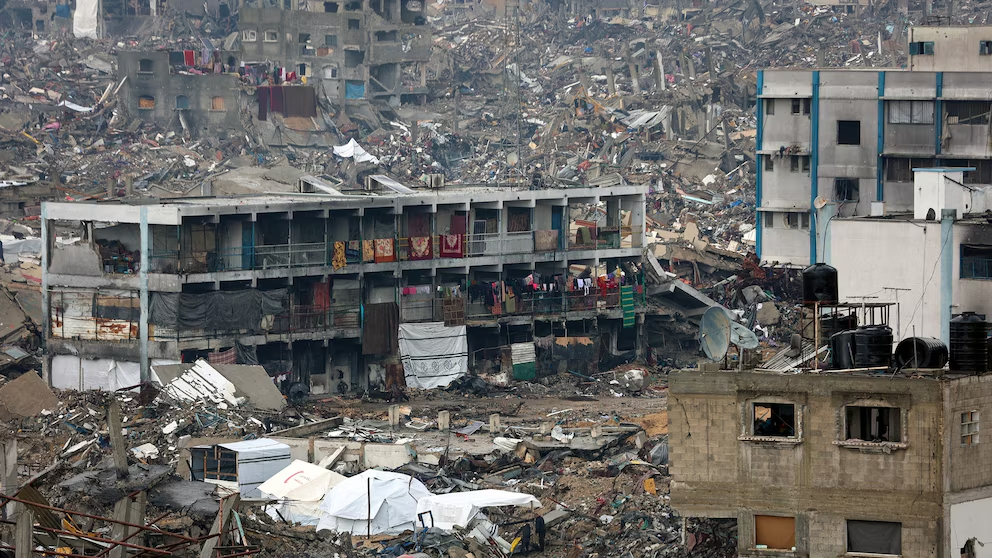
Gaza’s current condition is rooted in long standing structural challenges. Limited access to external markets restricted movement of goods and people and repeated disruptions have weakened economic and social systems. Public services operate with minimal margins leaving little room for recovery when crises occur.
Because of this fragility the humanitarian crisis Gaza escalates rapidly whenever new stressors emerge. What might be manageable elsewhere becomes catastrophic in an environment already stretched to its limits.
Everyday Life for Civilians
For civilians daily routines have been replaced by uncertainty. Electricity outages disrupt households businesses and hospitals. Water access is inconsistent forcing families to ration or rely on unsafe sources. Education is frequently interrupted leaving children without stable learning environments.
Living through the humanitarian crisis Gaza means constant adjustment to scarcity. Parents often sacrifice meals so children can eat while elderly residents struggle to obtain medication. The erosion of normal life has psychological consequences that deepen with each passing month.
Impact of Weather and Environmental Damage
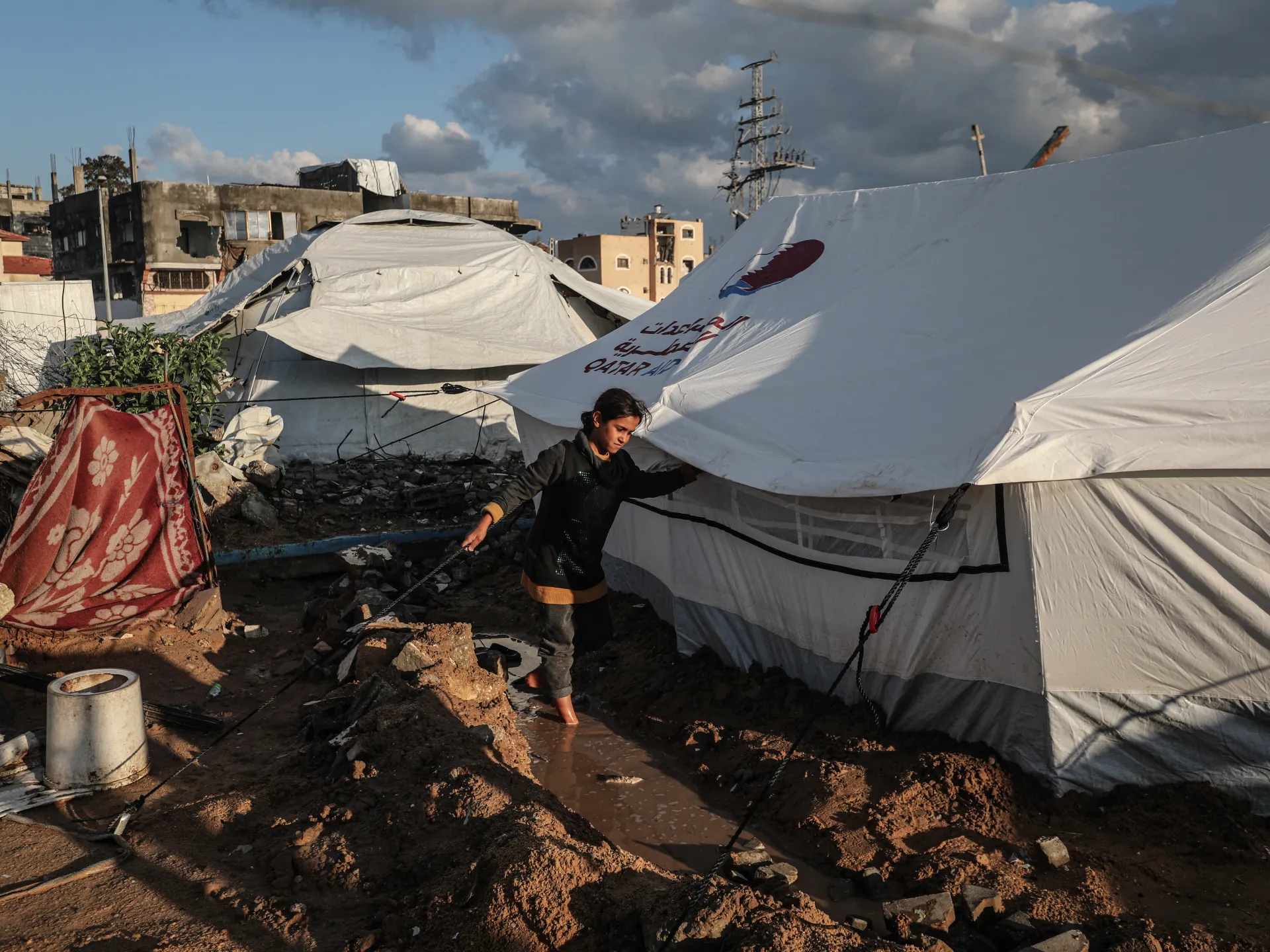
Severe weather events recently intensified the emergency. Heavy rainfall overwhelmed drainage systems flooding neighborhoods and damaging already weakened homes. In some areas families were forced to flee structures unable to withstand additional stress.
This environmental shock magnified the humanitarian crisis Gaza by destroying infrastructure that communities depended on for survival. Repair efforts remain slow due to shortages of materials fuel and funding further delaying recovery.
Healthcare Under Extreme Pressure
Hospitals and clinics are operating under extraordinary strain. Medical staff report shortages of essential supplies inconsistent electricity and overcrowded facilities. Emergency care often takes precedence leaving chronic conditions untreated.
The healthcare system reflects the broader humanitarian crisis Gaza where dedicated professionals are pushed beyond capacity. Without stable power fuel and supply chains even basic medical services become difficult to sustain placing vulnerable patients at serious risk.
Food Insecurity and Nutrition Challenges
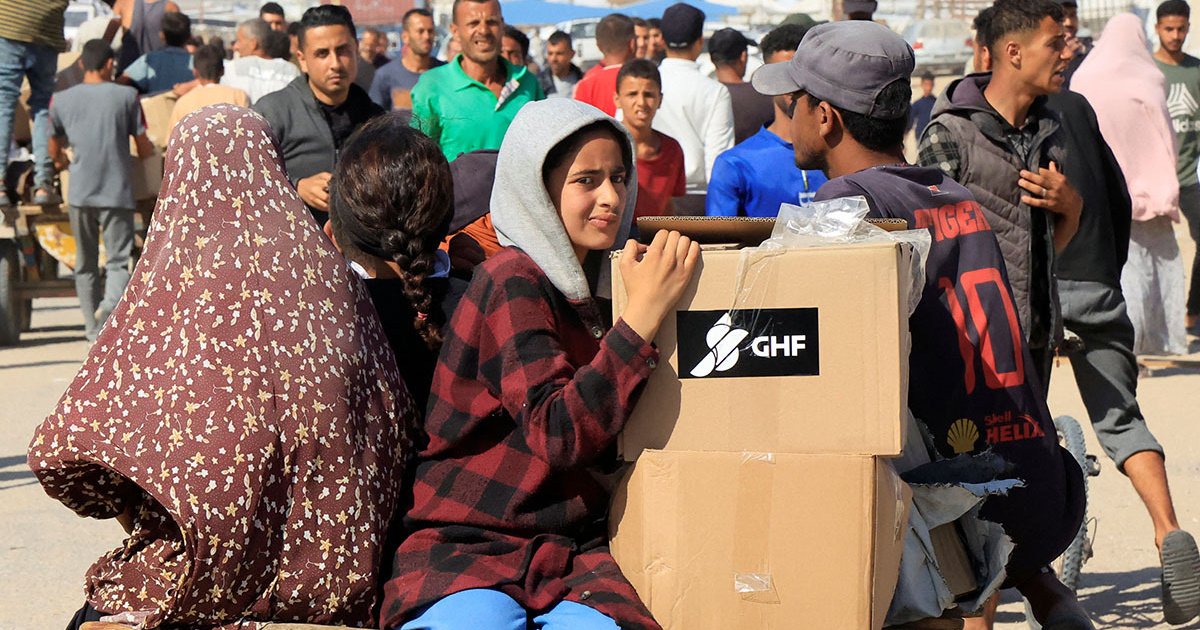
Access to adequate food has become one of the most visible consequences of the crisis. Rising prices unemployment and limited local production have left many households dependent on assistance. Aid distributions help but cannot meet all nutritional needs.
Children face the greatest danger as prolonged food shortages threaten physical growth and cognitive development. This dimension of the humanitarian crisis Gaza carries long term implications that extend far beyond the immediate emergency.
Water and Sanitation Risks
Clean water access remains unreliable. Damaged pipelines limited treatment capacity and fuel shortages affect distribution systems. Many families resort to unsafe alternatives increasing the risk of disease.
Sanitation disruptions worsen public health conditions particularly in densely populated areas. Addressing water and hygiene is critical to mitigating the humanitarian crisis Gaza and preventing secondary health emergencies.
Barriers Facing Humanitarian Aid
Humanitarian organizations continue to operate under difficult conditions. Aid delivery is affected by logistical delays limited entry points and administrative challenges. These constraints reduce the speed and scale of assistance reaching those in need.
Such barriers intensify the humanitarian crisis Gaza by slowing emergency response and forcing agencies to prioritize certain areas over others. Predictable access remains essential for effective relief planning.
Economic Collapse and Loss of Livelihoods
The local economy has suffered severe damage. Businesses struggle to operate unemployment remains high and household incomes have declined sharply. Many families have exhausted savings leaving them dependent on aid.
Economic hardship deepens the humanitarian crisis Gaza by limiting self sufficiency. Without opportunities to earn income recovery becomes increasingly difficult reinforcing cycles of dependency and vulnerability.
Psychological and Social Impact
Beyond physical deprivation the psychological toll is immense. Constant uncertainty loss and displacement contribute to rising anxiety depression and trauma particularly among children. Mental health services are limited leaving many needs unmet.
Social cohesion is strained as communities compete for scarce resources. Healing these invisible wounds is an essential component of addressing the humanitarian crisis Gaza and restoring long term stability.
International Response and Gaps
Governments and international institutions have expressed concern and pledged support. While funding and aid continue gaps remain between commitments and actual needs. Humanitarian agencies warn that current levels are insufficient.
Without sustained engagement the humanitarian crisis Gaza risks becoming normalized. Long term planning and consistent support are necessary to prevent further deterioration.
Long Term Consequences if Unresolved
If current conditions persist the consequences will be profound. Education disruptions healthcare gaps and chronic malnutrition could affect an entire generation limiting future prospects and stability.
Failure to resolve the humanitarian crisis Gaza would not only deepen suffering locally but also increase regional instability with broader implications for peace and security.
Path Toward Stabilization
Experts emphasize that meaningful improvement requires both immediate relief and long term solutions. Rebuilding infrastructure restoring livelihoods and ensuring reliable access to essential services are critical steps.
Addressing the humanitarian crisis Gaza demands coordinated international action political will and respect for humanitarian principles. Short term aid alone cannot substitute for sustainable recovery strategies.
The situation in Gaza represents one of the most urgent humanitarian challenges today. Civilians continue to endure hardship that affects every aspect of life from health and education to dignity and hope.
The humanitarian crisis Gaza is a test of global responsibility. Without decisive action suffering will deepen and recovery will become increasingly elusive. The time to act is now before the damage becomes irreversible.